Photo Credit: Facebook
 0
 0
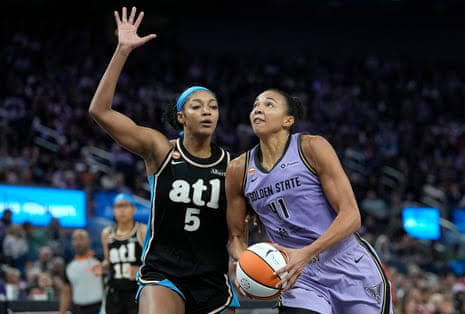
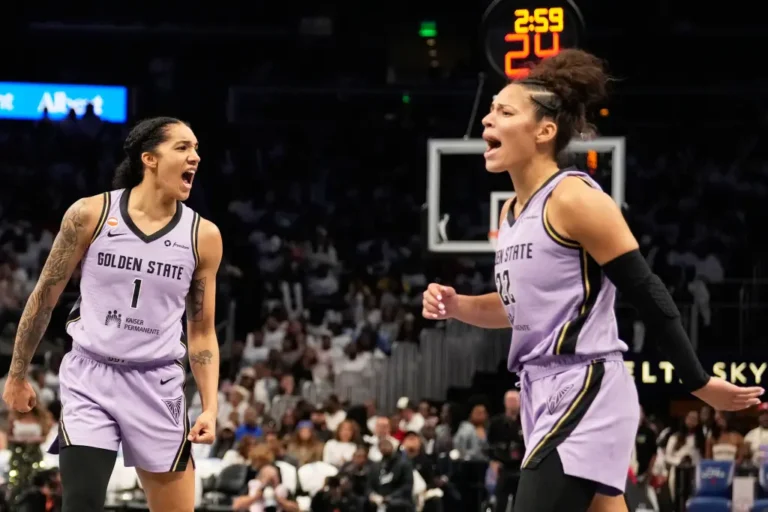
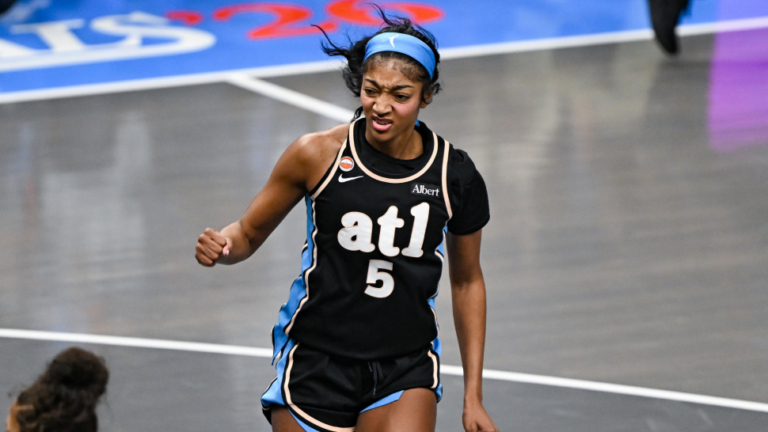
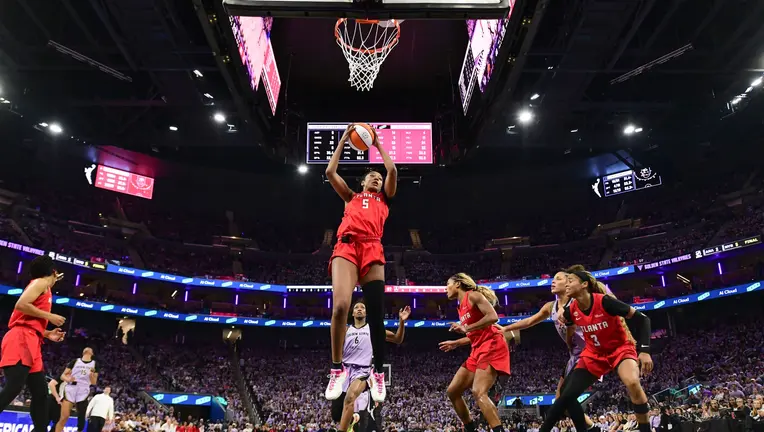
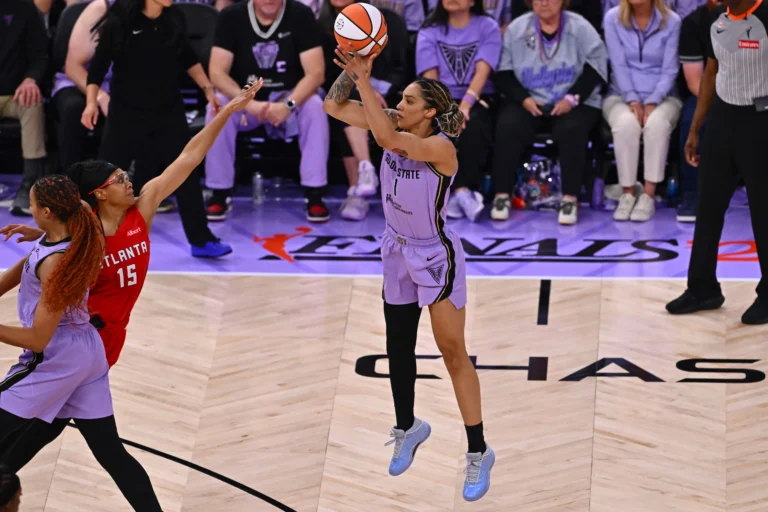
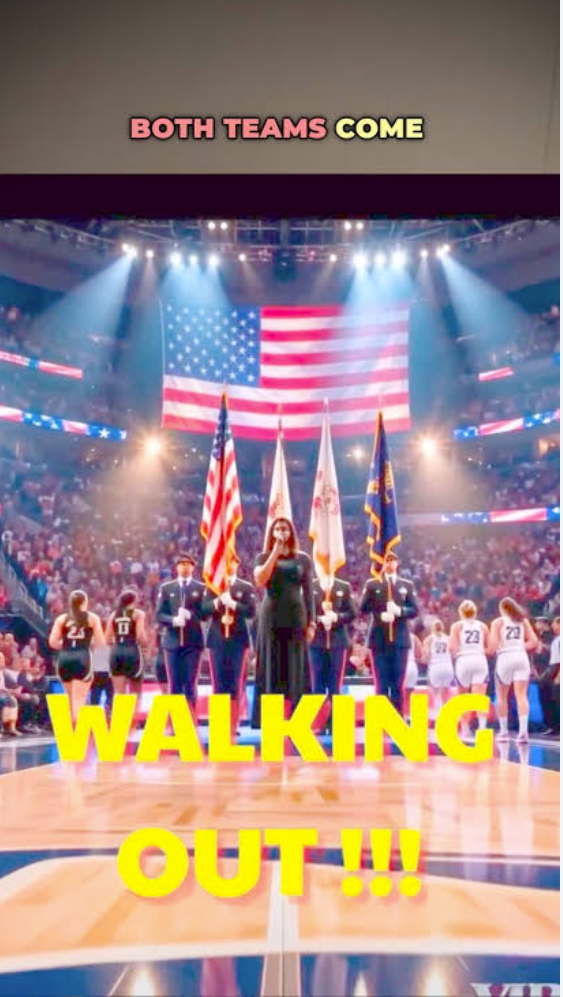
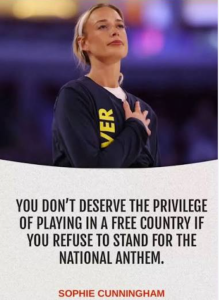
The national anthem controversy has returned to professional sports, and the WNBA finds itself in the middle of another heated debate. Years after Colin Kaepernick sparked controversy in the NFL, professional basketball now faces similar criticism. The Atlanta Dream and Golden State Valkyries recently drew attention for leaving the court before the national anthem. Their actions during the WNBA Finals have frustrated some fans and generated considerable criticism. However, both teams maintain that their pregame routines existed long before the current controversy.
Nevertheless, the situation raises an important question about patriotism, professional sports, and respecting the American flag. For millions of Americans, the national anthem represents much more than a song before a sporting event. It represents sacrifice, freedom, and the men and women who defend this country. When athletes appear to disrespect that tradition, many fans take the criticism personally. The WNBA should understand those concerns instead of allowing another controversy to overshadow its basketball product.
The WNBA National Anthem Controversy
The latest controversy began attracting national attention during the 2026 WNBA Finals. The Atlanta Dream and Golden State Valkyries left the court before the national anthem during the championship series. Videos circulated across social media, generating criticism from fans who considered the departures disrespectful. However, the Associated Press reported that both teams have followed similar routines for years. Golden State has followed its routine since joining the WNBA in 2025. Meanwhile, Atlanta has left the court before the anthem for several seasons. Valkyries guard Veronica Burton explained that the team considers the practice part of its normal preparation. She also denied that the routine carried a political message. Furthermore, the WNBA suspended enforcement of its original anthem protocols in 2017. Those circumstances matter when evaluating whether the players intended to disrespect anyone. Nevertheless, the controversy demonstrates how differently fans and athletes interpret national traditions.
Remember What the American Flag Represents
The American flag represents something deeply personal to millions of military families. Men and women have sacrificed their lives defending the United States and protecting its freedoms. Many service members never returned home to their families. Others returned with permanent injuries, emotional trauma, and memories that continue affecting their lives. Meanwhile, military spouses and children have endured deployments, uncertainty, and heartbreaking losses. Those sacrifices deserve recognition and respect. For many Americans, standing during the national anthem provides a simple opportunity to honor those sacrifices. The tradition requires only a brief moment before athletes return to competition. Furthermore, professional sporting events frequently recognize veterans and active-duty service members. Teams celebrate military appreciation nights and invite veterans to participate in pregame ceremonies. Therefore, some fans struggle to understand why athletes would avoid participating in another patriotic tradition. Although players may have different intentions, the symbolism remains important to those families.
The NFL Already Experienced This Controversy
The NFL faced a similar national debate when Colin Kaepernick began protesting during the 2016 season. The former San Francisco 49ers quarterback initially sat during the national anthem. He later began kneeling to protest racial injustice and police brutality. Kaepernick explained that his protest targeted systemic problems rather than military personnel. However, many fans interpreted his actions differently. Critics argued that kneeling during the anthem disrespected the flag and American service members. Meanwhile, supporters defended his constitutional right to peaceful protest. Some military veterans supported Kaepernick, while others strongly opposed his actions. The controversy eventually expanded throughout professional football. Players from several NFL teams knelt, linked arms, or remained inside their locker rooms. Consequently, the national anthem became one of professional sports’ most divisive issues. In 2018, the NFL introduced a policy requiring sideline personnel to stand while allowing players to remain off-field.
Freedom of Speech Also Comes with Public Criticism
Professional athletes have the right to express their beliefs. That freedom represents one of the principles American service members help defend. However, freedom of expression does not guarantee freedom from criticism. Fans also have the right to disagree with an athlete’s actions. Furthermore, fans can choose whether to purchase tickets, merchandise, or television subscriptions. Professional sports depend heavily on public support. Without fans, leagues would struggle to generate revenue and maintain their current operations. Therefore, athletes and league executives should recognize how their decisions influence public perception. Nevertheless, criticism should focus on actions rather than personal attacks. A player who kneels or leaves the court does not automatically hate America. Likewise, a fan who expects players to stand does not automatically oppose social justice. Both positions deserve an opportunity for respectful discussion.
President Trump Calls for a WNBA Boycott
President Donald Trump recently entered the controversy surrounding the WNBA Finals. During an October 22 appearance in Iowa, Trump criticized players for leaving the court before the anthem. He compared the controversy with the NFL protests that began during Kaepernick’s career. Furthermore, Trump encouraged fans to stop watching women’s basketball unless the league addressed the issue. He argued that similar controversies had damaged the NFL’s relationship with some viewers. However, his explanation oversimplified the NFL’s historical television ratings. Multiple factors influence viewership, including broadcasting changes, competition, scheduling, and audience habits. Meanwhile, WNBA players largely avoided engaging with Trump’s criticism. Atlanta guard Allisha Gray emphasized her focus on the championship series. Golden State forward Kiah Stokes similarly stressed the importance of concentrating on her teammates. The league declined to comment on Trump’s remarks, according to the Associated Press.
The WNBA Needs to Wake Up and Listen to Fans
The WNBA has spent years working to expand its audience and strengthen its financial position. However, the league cannot afford to dismiss concerns from potential supporters. Professional sports organizations need loyal fans who attend games and support their teams. Furthermore, attracting new viewers remains essential for long-term growth. The WNBA has developed a passionate following, but it still faces challenges competing for national attention. Therefore, another controversy surrounding the national anthem creates an unnecessary distraction. Some frustrated fans may decide to stop watching.
Others may question whether the league shares their values. However, the claim that the WNBA has no fans ignores its established audience and recent growth. The more important question concerns whether controversies could discourage additional viewers. League officials should consider those concerns without automatically assuming every criticism reflects hostility toward women’s basketball. Listening to supporters does not require abandoning the league’s principles. Instead, it requires understanding that fans bring different beliefs and expectations into sporting arenas.
Players Should Remember Who Makes Their Careers Possible
Professional athletes enjoy opportunities that most Americans will never experience. They compete in major arenas, receive national exposure, and earn money playing sports. Furthermore, sponsorships and media partnerships create additional financial opportunities. However, fans help make those careers possible. Supporters purchase tickets, watch broadcasts, and invest emotionally in their favorite teams. Without that support, professional leagues would face serious financial challenges. Therefore, athletes should understand the importance of maintaining positive relationships with their audiences. That responsibility does not require players to abandon their beliefs. However, it does require recognizing that public actions can carry consequences. Fans who feel disrespected may choose to spend their entertainment dollars elsewhere. Meanwhile, athletes should have opportunities to explain their intentions before critics draw conclusions. Respect works best when both sides demonstrate it.
Not Every Anthem Absence Represents Disrespect
The WNBA controversy also highlights an important distinction. Leaving the court before the anthem does not necessarily represent a deliberate protest. According to the Associated Press, teams have followed different pregame routines for several seasons. Some organizations leave the court to continue preparing for games. Others have historically used their absence to highlight social justice concerns. Furthermore, several teams, including Indiana and Minnesota, have remained on the court. The WNBA’s suspended anthem protocols allow those different approaches. Therefore, critics should avoid claiming every absent player deliberately insulted military personnel. However, league officials should recognize that fans may interpret those actions differently. Clear communication could prevent unnecessary misunderstandings. The WNBA could explain its anthem procedures and encourage teams to discuss their decisions openly. That approach would demonstrate accountability without forcing players to adopt identical beliefs.
Patriotism and Peaceful Protest Can Coexist
Americans have debated the relationship between patriotism and protest throughout the country’s history. Athletes have participated in those discussions for decades. During the 1968 Olympics, Tommie Smith and John Carlos protested racial injustice during the medal ceremony. Their actions generated enormous controversy and eventually became part of American sports history. Meanwhile, Jackie Robinson expressed frustration with racial inequality despite his groundbreaking baseball career. Those examples demonstrate that patriotism and criticism of government institutions can coexist. However, many Americans still believe sporting events should provide moments of national unity. The national anthem offers one such opportunity. Standing together does not require everyone to agree about politics, government policies, or social issues. Instead, it can represent shared appreciation for the freedoms Americans enjoy. That includes the freedom to disagree. The challenge involves respecting both patriotic traditions and individual constitutional rights.
The WNBA Should Focus on Basketball, Not Controversy
The WNBA has talented athletes who deserve recognition for their performances. However, controversies surrounding the league can distract from those accomplishments. The current anthem debate has shifted attention away from the championship series. Instead of discussing basketball strategy and outstanding performances, fans continue debating patriotism and player conduct. That situation does little to help the league attract viewers who primarily want to watch basketball. Furthermore, WNBA executives must understand that public perception influences the league’s commercial success. They should communicate expectations clearly and respect the different perspectives within their audience. However, the league should not punish players simply because outsiders disagree with their personal beliefs. A consistent, transparent anthem policy would provide greater clarity for everyone. It would also help fans understand what to expect before games.
Respect the Flag, Respect the Fans, and Respect the Freedom
The national anthem controversy ultimately comes down to respect. For many Americans, the flag represents the sacrifices of military personnel and their families. Those sacrifices deserve recognition. Furthermore, professional athletes should understand why some fans consider the anthem sacred. However, peaceful protest also represents a freedom that American service members defend. That reality makes the issue more complicated than a simple disagreement over standing or kneeling. Nevertheless, the WNBA should recognize that its decisions influence relationships with current and potential fans.
The league cannot assume that every frustrated supporter will continue watching. Likewise, critics should distinguish established pregame routines from deliberate acts of protest. The WNBA has an opportunity to address the controversy through clearer communication and greater understanding. Most importantly, league officials should avoid allowing another political dispute to overshadow the athletes’ accomplishments. The WNBA needs to wake up, listen to its fans, and understand why the national anthem matters to so many Americans. Professional sports should bring people together, even when they disagree. Respecting military sacrifice, individual freedom, and loyal supporters offers a better path forward than another divisive controversy.



Author Profile

-
Bradley Walker (VP) and Head of our Florida operations for NGSC Sports, bringing extensive experience across collegiate, professional, and amateur athletics. His coverage spans USF Athletics, including football, baseball, lacrosse, and softball, as well as University of Tampa baseball.
Bradley also provides coverage of minor league baseball with the Clearwater Threshers and Major League Baseball with the Tampa Bay Rays. On the national stage, he covers college football bowl games and conference championship matchups, along with premier golf events across the PGA Tour, LIV Golf, and LPGA Tour.
In addition to his reporting work, Bradley is the play-by-play announcer for Pinellas Park High School Patriots football, lending his voice and insight to Friday night lights.
He is also an active podcast host and contributor, serving as a host on The Walker Report, where he delivers in-depth sports analysis, interviews, and coverage across multiple levels of competition.
Latest entries
 NFLOctober 28, 2026 at 1:15 amNFL Week 8 Power Rankings: All 32 Teams Ranked
 WWEOctober 28, 2026 at 1:14 amWWE News and Rumors: Crown Jewel Chaos, Wargames Plans and Major Storylines
 NCAAFOctober 28, 2026 at 1:13 amPhilip Rivers Could Learn a Brutal Lesson from Trent Dilfer
 WNBAOctober 28, 2026 at 1:12 amNational Anthem Controversy: The WNBA Needs to Wake Up
About the Author