 0
 0
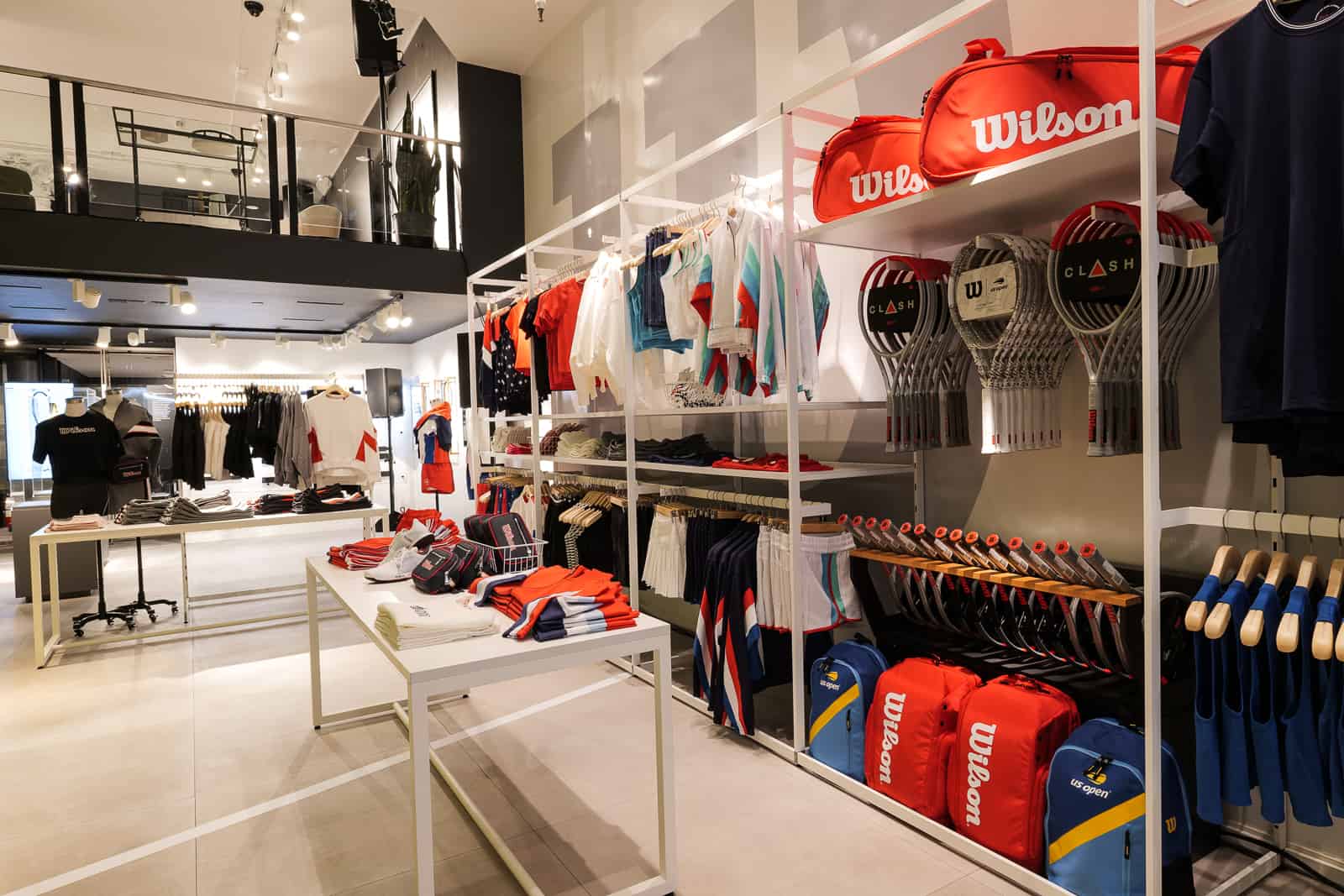
The specialty sports equipment industry is an interesting business venture for entrepreneurs looking to cater to athletes, fitness junkies, and outdoor sports enthusiasts. But buying products in bulk, renting warehouse space, and managing inventory management can be a high investment. However, a dropshipping business model provides a way for entrepreneurs to sell sports equipment online without having to manage inventory.
An online store can be created to cater to a particular sporting community with the right niche, web design, and reliable supplier connections by keeping the operating costs manageable.
1. Choose a Specific Sports Niche
Don’t try to sell all kinds of sporting products; instead, focus on a well-defined category. You could go with bicycle parts, golf equipment, home gym machines, tennis equipment, camping gear or professional training equipment.
Defining a niche enables you to know your audience, make marketing campaigns target the niche, and build a brand that is recognized by the niche. For instance, a golf equipment shop might have putting mats, practice nets, golf launch monitors, and high-quality golf training accessories.
Before deciding, research the customer demand, competitor pricing, seasonal demand, and product reviews. Find products which address real issues and are desired by willing-to-pay customers.
2. Find Reliable Suppliers
You will not have stock, and suppliers are a key factor in your business. They manage the keeping of products, processing orders and shipping of purchases directly to customers.
Look for reliable suppliers specializing in sporting goods and offering you consistent product quality, inventory updates, and delivery times. Request shipping details, return options, warranties, product details, and order turnaround times.
If possible, order samples to test the equipment before stating it in your store. You can make sure to have a first-hand look at the product quality and packaging. Having clear communication with suppliers can also help minimise stock-outs, late deliveries, and customer complaints.
3. Explore High-Ticket Dropshipping
High-ticket dropshipping is an option for entrepreneurs who are looking to sell high-quality sporting goods, rather than high-ticket dropshipping. This model is targeted at relatively high-dollar machines, such as commercial treadmills, golf simulators, rowing machines, advanced bike equipment, as well as professional sports training systems.
The gross profit per sale of higher-value products can be higher; however, margins, conversion rates, and customer acquisition costs differ. They can also ask more questions about the products and seek guidance prior to buying.
First, find products that truly have demand, and then do some research and compare the price a supplier is willing to offer with other online retailers. Determine shipping, payment processing, advertising, and return costs before pricing your products.
4. Build a Professional Online Store
Pick an e-commerce platform like Shopify that you’ll use to build your storefront. Sort products into well-defined categories and add thorough product descriptions, specifications, dimensions, compatibility, and quality product images.
Those buying top-end products will need extra assurance. Provide clear shipping cost information, warranties, return policies, safe checkout, and quick customer service.
Develop valuable buying guides and comparison articles to assist customers making a decision on the right equipment. Content with a search element can also bring in prospective customers looking to buy a product.
5. Market Your Store to the Right Audience
A niche sports shop is a type of sports store that specializes in certain sports, which provides them with targeted marketing. Optimise search engine results, run ads, use email marketing and social media to get to customers who are interested in your products.
Share practical information, such as equipment comparison guides, training tips, and product maintenance information. Partnering with coaches, sports clubs and relevant creators can be a great way to reach an audience that is looking for your brand.
Monitor and monitor site visitors, conversion rates, average order value, advertising costs, and customer comments. Utilize these ideas to make better product selection and marketing performance.
Conclusion
It is possible to start a specialty sports equipment store without a stock of products with careful planning and supplier relationships. Entrepreneurs can build a scalable ecommerce business without an excessive inventory in their warehouses by picking a niche to target, by learning and analyzing the demand for a particular product, by keeping customer service transparent, and by marketing quality equipment. The long-term success is dependent on providing a consistent buying experience and embracing the needs of customers at all times.


Author Profile
Latest entries
 outdoorsOctober 25, 2026 | 12:00 amHow to Build a Specialty Sports Equipment Store Without Holding Inventory
 The HubOctober 23, 2026 | 2:17 am6 Best Places to Buy a Golf Simulator Projector: The 2026 Shortlist of Retailers Worth Buying From
 TechOctober 23, 2026 | 12:00 amHard Disk Structure in Operating System
 SportsOctober 23, 2026 | 12:00 amHow Korean Sports Fans Follow Football, Basketball, Baseball, and Major Sporting Events Online
About the Author