Photo credit: USA Today
 0
 0
Federal lawmakers in the U.S. House of Representatives published a revised version of the Protect College Sports Act of 2026 (S. 4668) on Friday, setting the stage for a high-stakes floor push during the first week of December while scaling back key roadblocks to Power 4 conference expansion and inter-conference poaching.
With the House Rules Committee establishing a Wednesday, November 25 noon deadline for floor amendments and the NCAA alerting member institutions that debate could begin as early as November 30, the updated legislative text represents a decisive lame-duck effort to send sweeping college athletics reform to President Donald Trump’s desk before the 119th Congress adjourns next month.
Key Revisions Open the Door for Power 4 Expansion and Poaching
While the revised House bill preserves the core regulatory architecture of the legislation that cleared the U.S. Senate by a bipartisan 77–22 vote on September 28, House negotiators altered two major conference realignment guardrails that had drawn intense pushback from powerhouse athletic departments:
- Higher Conference Membership Ceiling: The updated text raises the maximum size of a Power 4 conference from 20 schools to 22 schools. Because the Big Ten currently stands at 18 members and the SEC sits at 16, a 22-team cap leaves substantial runway for both leagues to poach four to six additional programs in future realignment cycles.
- Elimination of the Three-Year Probationary Waiting Period: House drafters stripped out a Senate provision that would have forced any school leaving one Power 4 conference for another to spend three years as an independent before joining its new league.
Those twin adjustments directly answer an October 2 lobbying push from university leaders at four Atlantic Coast Conference cornerstones—Clemson, Florida State, Miami, and North Carolina—who wrote to House Speaker Mike Johnson requesting both a 22-team cap and the removal of the independence waiting period to preserve their long-term realignment flexibility.
Trump, Cruz, and House GOP Leaders Ramp Up Pressure
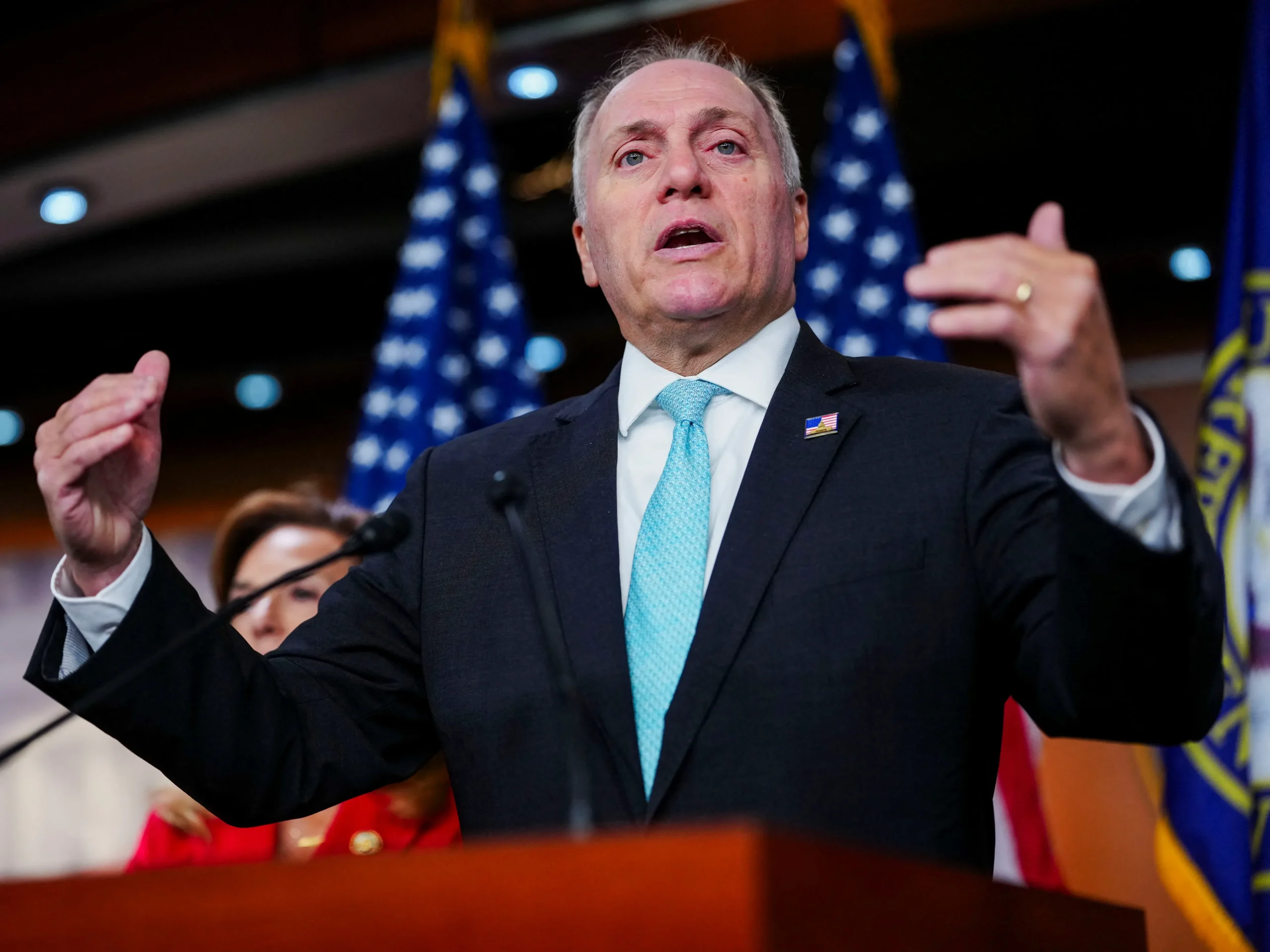
Friday’s release coincided with an aggressive public push from the White House and congressional leadership. Speaking at a Friday press conference, President Donald Trump—who noted support for the bill from New York Yankees president Randy Levine and former Alabama head football coach Nick Saban—warned that failing to enact federal guardrails would trigger financial ruin across campus athletics.
“We have to pass that bill,” Trump said Friday. “If we don’t pass that bill, you’re not only going to not have sports, but you’re going to have every college in the country go bankrupt”.
Senate Commerce Committee Chairman Ted Cruz (R-Texas), who co-authored S. 4668 alongside Ranking Member Maria Cantwell (D-Wash.), echoed the urgency on Friday afternoon: “The Senate passed my bipartisan Protect College Sports Act with 77 votes. Now the House must act and send it to President Trump’s desk without delay”.
In the House, Majority Leader Steve Scalise (R-La.) joined committee chairs Tim Walberg (R-Mich.) and Brett Guthrie (R-Ky.) in releasing a joint statement urging swift passage: “Congress needs to pass strong antitrust protections to end the Wild West atmosphere that exists today”.
Core NIL, Transfer, and Antitrust Rules Remain Intact
Beyond the realignment changes, the House text retains the broader framework designed to replace conflicting state NIL statutes and ongoing courtroom battles with uniform federal standards:
- Revenue-Sharing Cap and Olympic Sport Protections: Codifies a national revenue-sharing limit modeled on the House v. NCAA settlement, paired with an optional $22.5 million athlete retention pool and an extra $5 million allowance dedicated to women’s and non-revenue Olympic sports.
- Eligibility and Transfer Controls: Establishes a five-year eligibility window with one penalty-free transfer (requiring a one-year sit-out for subsequent transfers absent an approved exception) and authorizes enforceable recruiting and anti-tampering windows.
- NIL Transparency and Agent Caps: Mandates disclosure of Name, Image, and Likeness contracts, caps athlete agent commissions at 5%, guarantees multi-year scholarship protections, and provides five years of post-eligibility medical coverage.
- Conditional Antitrust Safe Harbor: Shields the NCAA and conferences from antitrust lawsuits over rules authorized by the statute—including eligibility, transfer, and revenue-sharing enforcement—while remaining neutral on whether college athletes can be classified as employees.
A Tight Legislative Clock Before January Turnover
Even with Friday’s revisions smoothing over opposition from major ACC programs, the Protect College Sports Act faces a narrow procedural runway. Because the House altered the Senate-passed language, any bill approved by the House in early December must return to the Senate for final ratification before Congress adjourns on December 17.
If the legislation is not signed into law before the new Congress convenes on January 3, 2027—when Democrats, led by presumptive Speaker Hakeem Jeffries, assume the House majority following the November 3 midterm elections—the bill will expire and lawmakers will be forced to start from scratch. Overcoming skepticism from House Democrats over the bill’s antitrust shield, as well as opposition from holdout Republicans such as Florida Rep. and governor-elect Byron Donalds, will determine whether Congress finally delivers a national rulebook for college sports over the next three weeks.


Author Profile

- CEO NGSC Sports
Latest entries
 SportsNovember 21, 2026 at 1:54 amHouse Lawmakers Unveil Revised Protect College Sports Act Ahead of Early December Vote
 High School FootballNovember 21, 2026 at 1:47 amTears, Miracles, and a 34-Year Drought Broken Highlight Friday HS Football
 BasketballNovember 20, 2026 at 1:07 amNBA Thursday Recap: Wembanyama Shunks, Lillard Explodes, and Towns Shines
 UFLNovember 19, 2026 at 1:55 am2027 UFL Draft: Diego Pavia Goes No. 1 Overall to Columbus Aviators
About the Author