Photo Credit: Facebook
 0
 0
College football has always celebrated passionate fans, heated rivalries, and unforgettable Saturdays. However, recent incidents have exposed an ugly side of the sport. Fans have confronted players, invaded their personal space, and even initiated physical contact. Meanwhile, some players have responded with punches, shoves, and other dangerous actions. The 2026 season has produced several disturbing examples. From Alabama to Texas, universities have struggled to control individuals who cross acceptable boundaries. Even worse, these incidents have occurred despite increased security and stricter conference regulations. College football needs passionate supporters. However, nobody should confuse supporting a team with threatening an opposing player. The problem extends beyond this season. Several notorious incidents demonstrate how quickly celebrations and rivalries can become dangerous.
Alabama Fan Confronts Georgia’s Raylen Wilson
One of the season’s ugliest incidents followed Georgia’s 20-17 victory over Alabama on October 10, 2026. Georgia linebacker Raylen Wilson approached the stands after the Bulldogs secured their victory. Wilson initially believed an individual wanted to congratulate him. Instead, the Alabama supporter struck Wilson’s helmet and shoved him away. The fan also directed profanity toward the Georgia linebacker. Fortunately, Wilson refused to retaliate. His composure prevented an already uncomfortable situation from becoming considerably worse. Georgia head coach Kirby Smart praised Wilson for handling the confrontation appropriately. Meanwhile, Alabama investigated the incident and identified the individual. Subsequent reporting confirmed that the university permanently banned the fan from athletic events. Additionally, Alabama supporters threw objects toward Georgia players following the game. The incident demonstrated how quickly frustration can become dangerous when fans disregard personal boundaries. Wilson deserved an opportunity to celebrate his team’s victory without facing physical harassment.
Texas Fan Provokes Florida Players
Another disturbing confrontation followed Florida’s 27-24 victory over Texas on October 17, 2026. A spectator wearing Texas clothing approached Florida players while holding a cellphone. The individual directed an obscene gesture toward several Gators, including defensive lineman LJ McCray. Instead of walking away, the spectator continued filming and provoking the players. Florida staff members intervened before the confrontation escalated. Texas athletic director Chris Del Conte subsequently apologized to Florida and condemned the individual’s conduct. The university permanently banned the spectator from Darrell K Royal-Texas Memorial Stadium. However, another question deserves attention.
How did someone willing to provoke opposing players obtain access to the playing surface? Del Conte acknowledged uncertainty about who authorized the individual’s field credentials. That revelation exposed a significant security concern. Schools must carefully control field access, especially immediately following emotional rivalry games. Allowing spectators near opposing players creates unnecessary opportunities for confrontations.
LSU Player Swings at Kentucky Fan
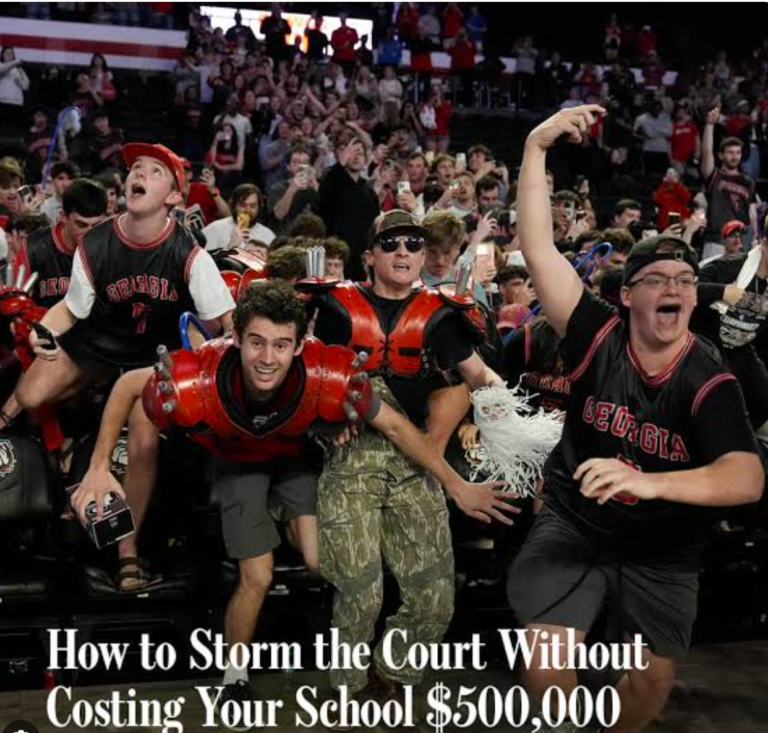
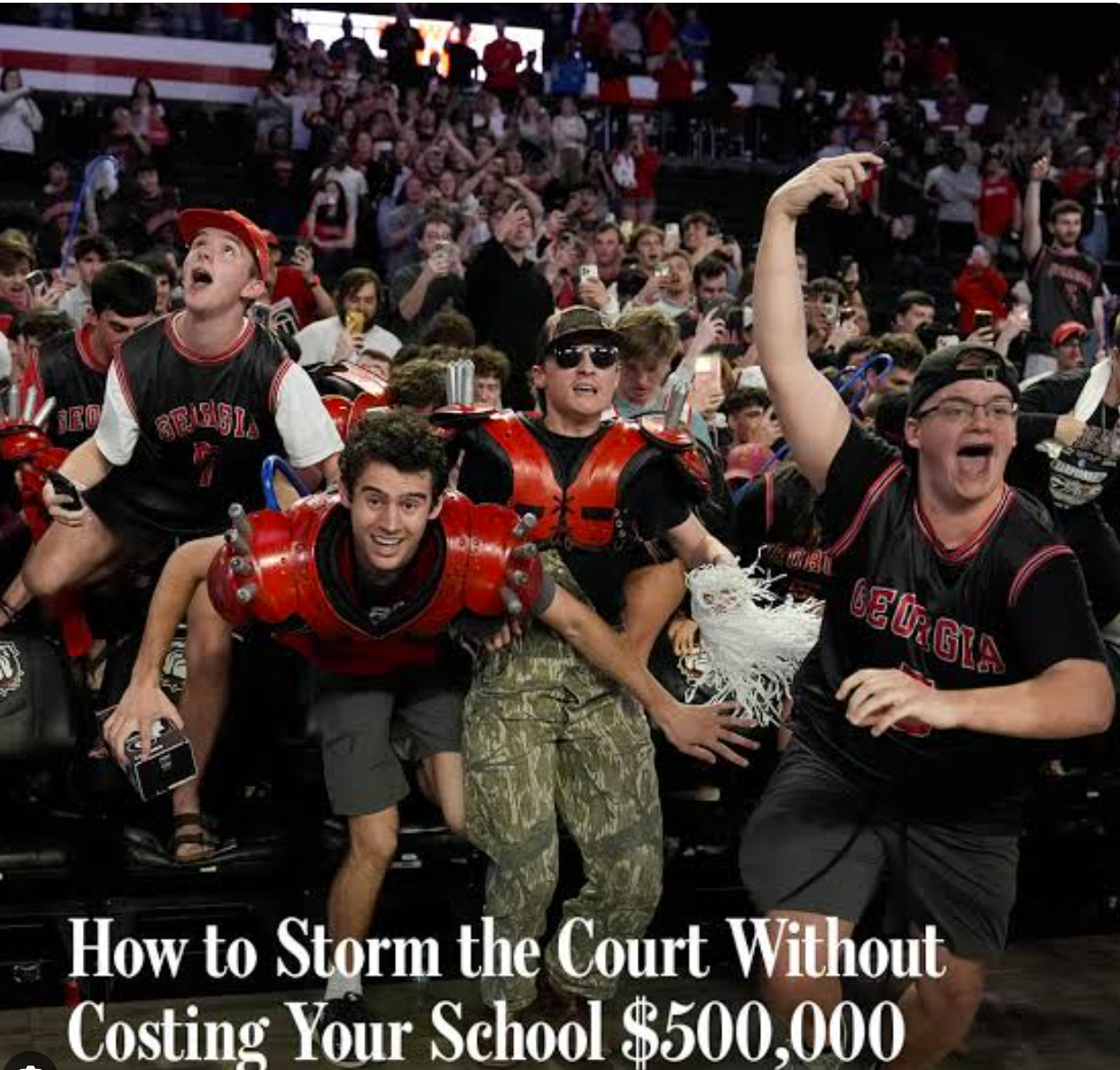
Kentucky’s October 2026 victory over LSU created another dangerous situation. Wildcats’ supporters stormed the field following their team’s dramatic victory. During the celebration, a fan approached LSU linebacker TJ Dottery while recording with a cellphone. The spectator moved close to Dottery and placed the phone directly in his personal space. Video subsequently showed Dottery swinging his right hand toward the individual. The confrontation quickly attracted attention across social media. Kentucky also faced a reported $500,000 SEC fine because fans entered the field before visiting personnel reached safety. The incident raised questions about responsibility on both sides. Fans should never surround opposing players or provoke confrontations. However, players must also avoid escalating encounters through physical retaliation. Security personnel should prevent these situations before anyone faces that decision. Field storming might produce spectacular television images. Unfortunately, those celebrations can also create serious safety risks.
Wyoming Player Shoves Colorado State Fan
Another 2026 incident occurred following Colorado State’s September victory over Wyoming. Colorado State supporters rushed the field to celebrate their rivalry victory. During the celebration, Wyoming defensive lineman Jayden Williams encountered a fan. Video showed Williams forcefully pushing the individual, knocking the spectator off balance. Wyoming head coach Jay Sawvel criticized the player’s reaction. However, he also questioned Colorado State’s postgame security arrangements. Sawvel explained that Wyoming players needed to cross the field to reach their locker room. That route placed visiting players directly among celebrating Colorado State supporters. The confrontation highlighted a major logistical problem. Schools should never require visiting players to navigate large crowds without adequate protection. Coaches, administrators, and security officials must establish safe routes before every game.
Alabama’s Jermaine Burton and the Tennessee Field Storming
One of college football’s most controversial fan-player incidents occurred on October 15, 2022. Tennessee defeated Alabama 52-49, ending a 15-game losing streak against the Crimson Tide. Thousands of Tennessee supporters stormed Neyland Stadium’s field following the dramatic victory. During the celebration, video appeared to show Alabama receiver Jermaine Burton striking a female Tennessee fan. The woman subsequently shared footage of the encounter on social media. Alabama coach Nick Saban acknowledged the situation and announced an investigation. The SEC fined Tennessee $100,000 under its field-access policy at that time. The controversy exposed the dangers of allowing emotional players and celebrating spectators to occupy the same crowded space. Regardless of the circumstances, physical confrontations between players and fans should never become part of postgame celebrations.
Alabama Player Punches Oklahoma Fan in 2024
Another disturbing incident followed Oklahoma’s 24-3 victory over Alabama on November 23, 2024. Oklahoma fans entered the playing field before the game officially ended. During the disruption, Alabama defensive back Dre Kirkpatrick Jr. punched Oklahoma supporter Holden Moxley in the head. Video showed Moxley turning toward his cellphone before Kirkpatrick delivered the punch. The incident eventually resulted in a civil lawsuit. However, a judge dismissed Moxley’s lawsuit in May 2026. The judge concluded that Moxley’s unauthorized presence on the field prevented his recovery under the applicable legal circumstances. Moxley’s attorney subsequently announced plans to appeal. Authorities did not file criminal charges against Kirkpatrick. The case demonstrated how field-storming incidents can create legal consequences long after the final whistle. It also highlighted the importance of keeping spectators away from opposing players.
Clemson Fan Confronts NC State Coach in 2008
College football has confronted similar problems for decades. In September 2008, a Clemson fan became involved in an incident with NC State head coach Tom O’Brien. The confrontation occurred after Clemson’s victory at Memorial Stadium. Clemson police reviewed video of the incident and expressed concern about the potential for escalation. Consequently, Clemson revised its postgame field-access procedures. The university introduced a delay of approximately three minutes before allowing fans onto the field. That change provided visiting players and coaches additional time to leave safely. Interestingly, Clemson maintained its traditional postgame celebration at midfield. The university demonstrated that schools could preserve cherished traditions while improving security. Today’s programs should recognize that lesson. Fans can celebrate victories without surrounding visiting players, coaches, or officials.
The Infamous Clemson-South Carolina Brawl of 2004
Although this incident primarily involved opposing players, it remains one of college football’s ugliest confrontations. Clemson and South Carolina met on November 20, 2004, during an emotionally charged rivalry game. With less than six minutes remaining, an altercation erupted between players. Both sidelines quickly emptied as the confrontation spread across approximately 60 yards. Players exchanged punches, wrestled opponents, and ignored attempts to restore order. One particularly disturbing moment involved Clemson’s Yusef Kelly kicking a South Carolina player lying on the ground. Police officers, coaches, and staff members eventually separated the participants. The confrontation occurred near spectators and created fears that fans might join the violence. Both universities subsequently declined bowl invitations. Additionally, the ACC and SEC suspended six players from each program. The incident remains a powerful reminder of how quickly football rivalries can spiral beyond control.
Michigan and Ohio State’s Ugly 2024 Rivalry Fight
Another notorious confrontation followed Michigan’s 13-10 victory over Ohio State on November 30, 2024. Michigan players attempted to plant their flag at midfield inside Ohio Stadium. Ohio State players confronted them, and a massive fight followed. Players shoved opponents, exchanged punches, and struggled over Michigan’s flag. Ohio State defensive end Jack Sawyer grabbed the flag during the confrontation. Eventually, police officers deployed pepper spray to separate the teams. Authorities also reported an injury to an officer. The incident did not primarily involve fans attacking players. However, it demonstrated the danger surrounding emotional postgame celebrations. Both universities faced criticism following the embarrassing confrontation. Rivalry traditions deserve respect, but they should never outweigh personal safety.
College Football Must Take Security More Seriously
The recent incidents reveal several recurring problems. First, stadium personnel sometimes allow unauthorized individuals too close to oppose players. Second, emotional postgame celebrations frequently overwhelm existing security arrangements. Third, social media encourages some spectators to provoke athletes while recording their reactions. Finally, universities sometimes react only after embarrassing videos circulate online. College football administrators must address these issues before more serious injuries occur. Schools should strengthen credential requirements and carefully monitor sideline access. Additionally, security personnel should establish protected routes between visiting benches and locker rooms.
Conferences must also consistently enforce their field-storming policies. However, financial penalties alone cannot solve every problem. A wealthy athletic department might consider a substantial fine an acceptable expense following a memorable victory. Instead, conferences should demand effective security plans and hold institutions accountable for repeated failures. Players also carry responsibility for controlling their emotions. No athlete should punch or shove a spectator simply because someone behaves disrespectfully. However, fans must understand that purchasing a ticket does not grant permission to confront athletes.
The Bottom Line: Passion Should Never Become Violence
College football possesses one of the most passionate fan bases in American sports. That passion creates unforgettable traditions, electric atmospheres, and incredible rivalries. However, recent incidents threaten the sport’s reputation. The Alabama-Georgia confrontation, Texas-Florida controversy, and LSU-Kentucky incident demonstrate how quickly celebrations can turn ugly. Historical incidents prove that college football has struggled with these problems for years. Unfortunately, social media now broadcasts almost every confrontation to millions of viewers. Universities must stop treating these situations as isolated embarrassments. Instead, administrators should recognize a broader security problem that demands consistent solutions. Fans should cheer, celebrate, and support their teams passionately.
Players should compete aggressively while maintaining professionalism. Most importantly, everyone should leave the stadium safely. College football needs passionate fans, not spectators who believe they can physically confront players without consequences. The sport has enough problems without allowing dangerous fan-player incidents to become another Saturday tradition. And if universities refuse to address the issue seriously, another confrontation could eventually produce far more devastating consequences.



Author Profile

-
Bradley Walker (VP) and Head of our Florida operations for NGSC Sports, bringing extensive experience across collegiate, professional, and amateur athletics. His coverage spans USF Athletics, including football, baseball, lacrosse, and softball, as well as University of Tampa baseball.
Bradley also provides coverage of minor league baseball with the Clearwater Threshers and Major League Baseball with the Tampa Bay Rays. On the national stage, he covers college football bowl games and conference championship matchups, along with premier golf events across the PGA Tour, LIV Golf, and LPGA Tour.
In addition to his reporting work, Bradley is the play-by-play announcer for Pinellas Park High School Patriots football, lending his voice and insight to Friday night lights.
He is also an active podcast host and contributor, serving as a host on The Walker Report, where he delivers in-depth sports analysis, interviews, and coverage across multiple levels of competition.
Latest entries
 FootballOctober 25, 2026 | 12:02 amCollege Football’s Fan Problem: When Passion Turns Violent
 FootballOctober 24, 2026 | 12:30 amFlagged Out! NFL’s 2026 Penalty Problem Has Fans Furious
 BasketballOctober 24, 2026 | 12:25 amCollege Basketball Hot Seat: 15 Coaches Facing Major Pressure in 2026-27
 FootballOctober 24, 2026 | 12:15 amCollege Football NIL Rankings 2026: Who Spends the Most and Least?
About the Author