 0
0
 0
0
Cabinets and closets can hide mess for a long time. A shelf may look organized from the front while crumbs sit behind food containers, dust gathers beneath storage bins, or a leaking bottle leaves a sticky ring no one notices until everything is moved.
Renters do not need to empty every storage space each week. What matters more is preventing stored belongings from creating permanent cleaning barriers.
A good maintenance routine keeps shelves reachable, separates messy items from clean ones, and deals with small spills before they disappear beneath months of storage.
Start With the Places That Create the Most Mess
Not every cabinet deserves the same attention.
A pantry shelf holding open snacks has a very different cleaning workload from a cabinet containing rarely used dishes. A bathroom cupboard filled with lotions and cleaning products may need attention sooner than a linen shelf holding folded towels.
SQKY Cleaning may encounter storage spaces where the real issue is not heavy dirt but objects packed so tightly that the shelf underneath has not been reachable for months.
Begin with the storage zones where food, moisture, shoes, or frequently handled products create the most opportunity for mess.
Keep Pantry Spills Small
Kitchen storage often becomes difficult because minor spills go unnoticed.
Flour escapes from bags. Cereal crumbs fall behind boxes. Oil or sauce bottles develop sticky bases. Seasoning containers leave powder around the front of a shelf.
Handle those problems when they happen.
Move only the nearby items, collect loose crumbs, wipe the affected spot, and return everything once the shelf is dry.
There is no reason to empty the whole cabinet because one bag of rice leaked.
Sealed containers can also help with foods that repeatedly spill, but they should make storage easier rather than create another complicated organizing system.
Leave Enough Space to Remove Things Easily
Overpacked shelves create cleaning problems because every item depends on another item staying in place.
If removing one container causes three others to fall forward, the shelf will probably be cleaned less often.
A small amount of open space changes that.
Group similar items loosely so several can be moved together. Avoid building unstable stacks that make the back of the cabinet practically inaccessible.
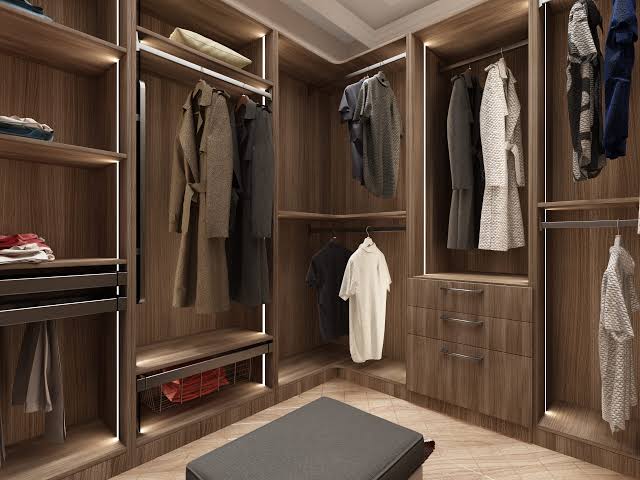
In closets, the same principle applies to shoes, folded clothing, bags, and storage boxes.
Accessible storage is easier to maintain than storage filled to its maximum capacity.
Treat Handles as Part of the Room, Not the Cabinet Interior
Cabinet and closet interiors may stay reasonably clean while the hardware gets dirty quickly.
The kitchen pulls up cooking oils and food residue. Bathroom handles collect lotion, water, and cosmetic products. Closet knobs show fingerprints and ordinary skin oils.
Wipe them when cleaning the room around them rather than waiting for a full cabinet clean.
Pay attention to the few inches surrounding each pull as well. Fingers often touch the door front before reaching the hardware.
This small habit keeps the exterior from looking neglected even when the interior needs no attention.
Give Leaking Products a Containment Zone
Bathroom and cleaning-supply cabinets benefit from having a defined place for products that may drip.
A washable tray or removable liner beneath soaps, lotions, hair products, or household cleaners can keep a small leak from spreading across an entire shelf.
The tray still needs to be cleaned.
Lift it occasionally and look underneath rather than assuming the liner has protected the shelf forever.
If moisture is trapped beneath a liner, remove it and let the cabinet dry completely.
The purpose is easier cleanup, not hiding spills.
Make Storage Movable Enough to Clean Beneath It
Bins are most useful when they allow a whole group of belongings to move at once.
A basket containing cleaning cloths or bathroom backups can be lifted, the shelf beneath it wiped, and the basket returned in a minute.
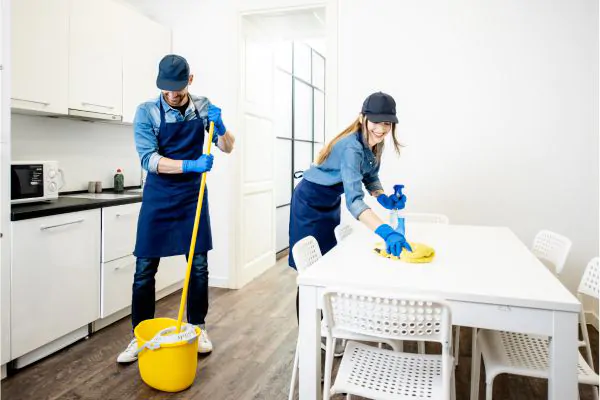
That is where SQKY Cleaning can fit naturally during a deeper apartment clean: once personal belongings are grouped or moved aside, cabinet shelves, closet floors, edges, and reachable storage surfaces can actually be cleaned instead of worked around.
The key is access. A storage system should make the underlying surface easier to reach, not permanently cover it.
Keep Shoes From Controlling the Closet Floor
Shoes introduce a different kind of dirt.
Even footwear that looks clean may carry fine grit, dried soil, or street debris. Once several pairs are scattered across a closet floor, vacuuming around them becomes awkward.
Give footwear one defined section.
A tray, rack, or washable mat can contain much of what falls from the soles.
Clean that zone before grit begins spreading beyond it.
This also leaves more of the closet floor visible, making hair and dust easier to notice before they collect heavily around the perimeter.
Clothing Creates Its Own Fine Debris
Closets collect fibers from clothing, towels, bedding, and fabric storage bags.
That material tends to gather along the floor edges, behind shoe racks, and beneath hanging garments.
A closet can therefore become dusty even when no outdoor shoes are stored inside.
Vacuum accessible floor sections occasionally, including the border along the wall.
If hanging clothes almost touch the floor, move them aside briefly rather than trying to push a vacuum underneath.
Keeping loose clothing off the floor makes this much easier.
Do Not Turn Every Bin Into Permanent Storage
Containers solve clutter only when their contents still make sense.
A bin that has not been opened in a year may simply be occupying space that could make the closet easier to use and clean.
That does not mean everything has to be discarded.
Occasionally ask whether a container still belongs in the easiest-to-reach storage location.
Seasonal or rarely used belongings can often move to a less prominent spot, leaving everyday shelves less crowded.
Fewer obstacles also mean less dust collects around objects that never move.
Keep Dirty Items From Entering Clean Storage
One of the simplest maintenance rules is to notice what is being put away.
A sticky pantry bottle will transfer that stickiness to the shelf. Damp towels stored in an enclosed cabinet can create odor. A suitcase brought directly from travel may carry grit onto a closet floor.
Deal with the item before storing it.
Wipe messy containers, allow damp fabrics to dry, and remove visible debris from luggage or reusable bags.
Preventing the transfer takes less time than cleaning the shelf after the mess has spread underneath several other belongings.
Reset One Storage Space at a Time
Trying to clean every cabinet and closet in a single day usually creates piles throughout the home.
Choose one small zone instead.
A pantry shelf, bathroom cupboard, shoe section, or linen shelf can often be refreshed quickly when treated on its own.
Remove obvious trash, deal with spills, collect loose debris, wipe the exposed section, and return only the items that belong there.
Then stop.
Small resets are easier to repeat because they do not require turning the entire apartment upside down.
Keep Storage Reachable Between Deep Cleans
Cabinets and closets stay manageable when the surfaces underneath stored belongings remain accessible.
That does not require empty shelves or perfect organization.
Leave enough room to move items, contain products likely to leak, keep shoes in a defined zone, and avoid putting dirty or damp belongings straight into storage.
Those habits prevent crumbs, dust, product residue, and fabric fibers from becoming buried beneath months of possessions.
When deeper cleaning eventually comes around, the job starts with reachable shelves and floors instead of a long sorting project before any cleaning can begin.



Author Profile

Latest entries
 outdoorsOctober 25, 2026 at 12:00 amHow to Build a Specialty Sports Equipment Store Without Holding Inventory
 The HubOctober 23, 2026 at 2:17 am6 Best Places to Buy a Golf Simulator Projector: The 2026 Shortlist of Retailers Worth Buying From
 TechOctober 23, 2026 at 12:00 amHard Disk Structure in Operating System
 SportsOctober 23, 2026 at 12:00 amHow Korean Sports Fans Follow Football, Basketball, Baseball, and Major Sporting Events Online
About the Author