Photo Credit: Reddit
 0
0
 0
0
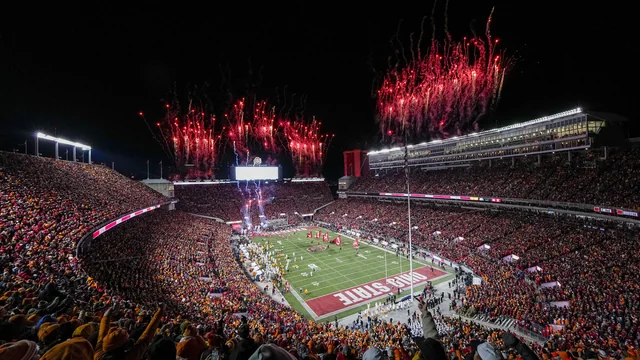
College football has changed more in recent years than ever before. Conference realignment reshaped the sport. The transfer portal changed roster building. NIL changed recruiting. Revenue sharing added another major shift. For some fans, those changes feel like the end of college football. However, that view misses the bigger picture. College football is not dying. It simply needs time to evolve. The 2026 season shows just how much the sport has changed. New rules continue to reshape eligibility, transfers, roster management, and player compensation. The NCAA also approved a new five-year eligibility model for Division I athletes. That kind of change does not happen overnight. It takes time for schools, coaches, players, and fans to adjust.
The Sport Still Has Plenty of Life
The biggest argument against college football comes from its growing chaos. Fans dislike constant roster movement. They also dislike conference changes and complicated NIL rules. Still, the interest remains enormous. College football continues to attract massive television audiences and significant revenue. The sport also continues to produce compelling storylines across the country. Teams such as Indiana and Texas Tech have shown that the traditional power structure can change. New contenders can emerge when programs build correctly. That creates something college football needs. It creates uncertainty. Fans want to believe their team has a chance. The transfer portal and revenue sharing can help create those opportunities. Programs with strong leadership can build competitive rosters quickly. That does not mean every program will succeed. It means the sport has more movement than before.
The Transfer Portal Needs Time
The transfer portal has become one of the biggest complaints among fans. Players can change schools more easily than they could years ago. Coaches must constantly manage their rosters. Fans also struggle to recognize their own teams from one season to the next. However, the NCAA has already started changing the system. The 2026 football transfer cycle moved toward a single January window. The new structure eliminated the traditional spring football portal period. That should eventually create more stability. The portal still needs additional adjustments. Yet the sport has started moving toward a more organized system. That process will take time.
NIL and Revenue Sharing Changed Everything
NIL also created major changes across college football. Players now have more opportunities to earn money from their athletic success. Meanwhile, schools can directly share athletic department revenue with athletes under the House settlement. The settlement allows participating Division I schools to share revenue directly with athletes. The initial annual cap sits at $20.5 million. That represents a massive shift. For decades, college sports operated under a different financial structure. Now schools must manage athlete compensation alongside scholarships and other expenses. Naturally, that creates confusion. Eventually, though, schools will establish better systems. Coaches will understand roster budgets better. Players will understand their options better. Fans will also become more comfortable with the new model.
Conference Realignment Isn’t Killing Rivalries
Conference realignment has created another major concern. Fans hate losing traditional rivalries. They also dislike seeing teams travel across the country for conference games. Those concerns deserve attention. However, realignment also creates new opportunities. Bigger conferences can produce more compelling schedules. New rivalries can develop between schools that rarely played before. College football has always changed. Conferences have expanded before. Teams have changed divisions before. Bowl structures have changed repeatedly. This current period simply feels different because everything changed at once.
The Playoff Can Keep Growing
The College Football Playoff also gives fans another reason for optimism. The expanded playoff gives more teams a realistic championship path. That matters because college football needs more than the same few programs competing every year. A broader playoff can create new stars and new championship contenders. The 2026 landscape already shows that possibility. Several programs outside the traditional elite enter the season with legitimate playoff aspirations. That creates more meaningful games throughout the season. Every Saturday can matter.
College Football Needs Stability, Not Nostalgia
The biggest challenge involves finding stability. College football cannot return to the exact version fans remember. The sport has already moved forward. Players have more financial opportunities. Coaches manage different roster rules. Conferences operate differently. Television networks play an even larger role. Instead of fighting every change, college football needs to organize it. The NCAA, conferences, schools, and players need clearer rules. Fans need easier explanations. Coaches need consistent regulations. Most importantly, everyone needs time. The sport cannot completely rebuild itself in one offseason.
The Future Can Still Be Bright
College football still has everything that made it special. Rivalries still matter. Saturdays still matter. Tailgating still matters. Marching bands still matter. College towns still come alive on game days. Most importantly, fans still care. The sport has problems, but problems do not mean death. College football simply entered a new era before everyone understood the previous one. That created frustration. Now the sport needs to settle into its new reality. The rules need refinement. The financial system needs structure. The transfer portal needs better boundaries. Once those pieces settle, the sport can become easier to understand. College football is not dying. It is evolving. And sometimes, evolution looks messy before it looks better.



Author Profile

-
Bradley Walker (VP) and Head of our Florida operations for NGSC Sports, bringing extensive experience across collegiate, professional, and amateur athletics. His coverage spans USF Athletics, including football, baseball, lacrosse, and softball, as well as University of Tampa baseball.
Bradley also provides coverage of minor league baseball with the Clearwater Threshers and Major League Baseball with the Tampa Bay Rays. On the national stage, he covers college football bowl games and conference championship matchups, along with premier golf events across the PGA Tour, LIV Golf, and LPGA Tour.
In addition to his reporting work, Bradley is the play-by-play announcer for Pinellas Park High School Patriots football, lending his voice and insight to Friday night lights.
He is also an active podcast host and contributor, serving as a host on The Walker Report, where he delivers in-depth sports analysis, interviews, and coverage across multiple levels of competition.
Latest entries
 FootballSeptember 1, 2026College Football Isn’t Dying. It’s Evolving.
 AAC FootballSeptember 1, 2026USF Football Unveils 2026 Promotions Schedule
 WrestlingSeptember 1, 2026WWE Rumors: Rock, Bloodline and WrestleMania 43 Buzz
 FootballSeptember 1, 2026NFL QBs Are Wearing GoPro’s, And It Could Change Football
About the Author