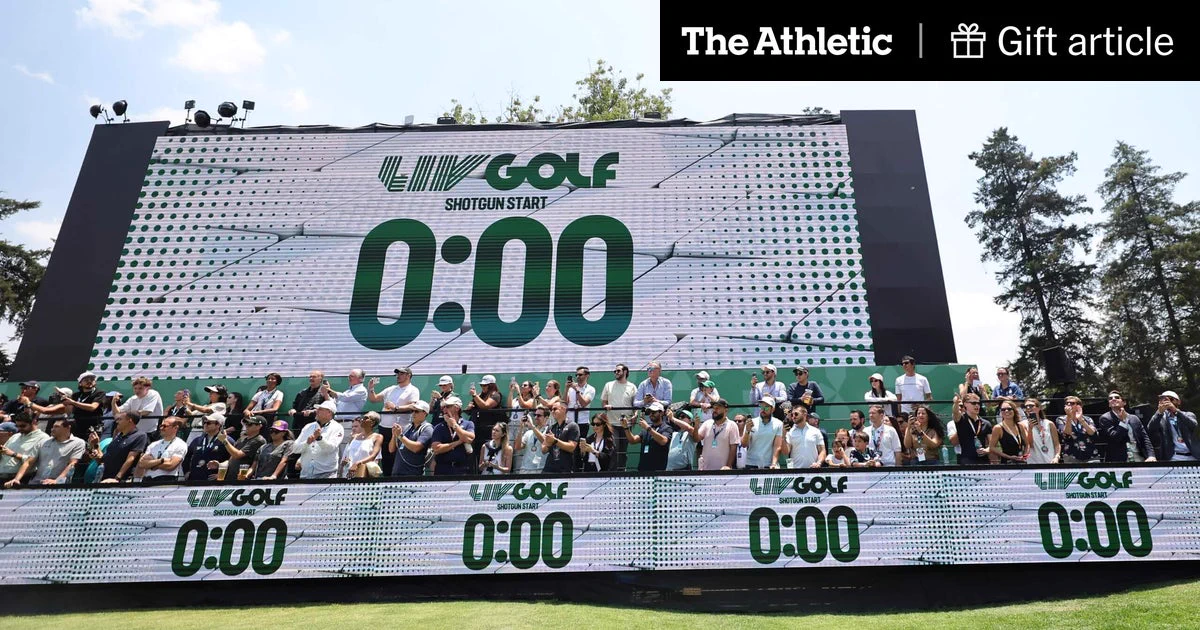
Photo Credit: X
 0
 0
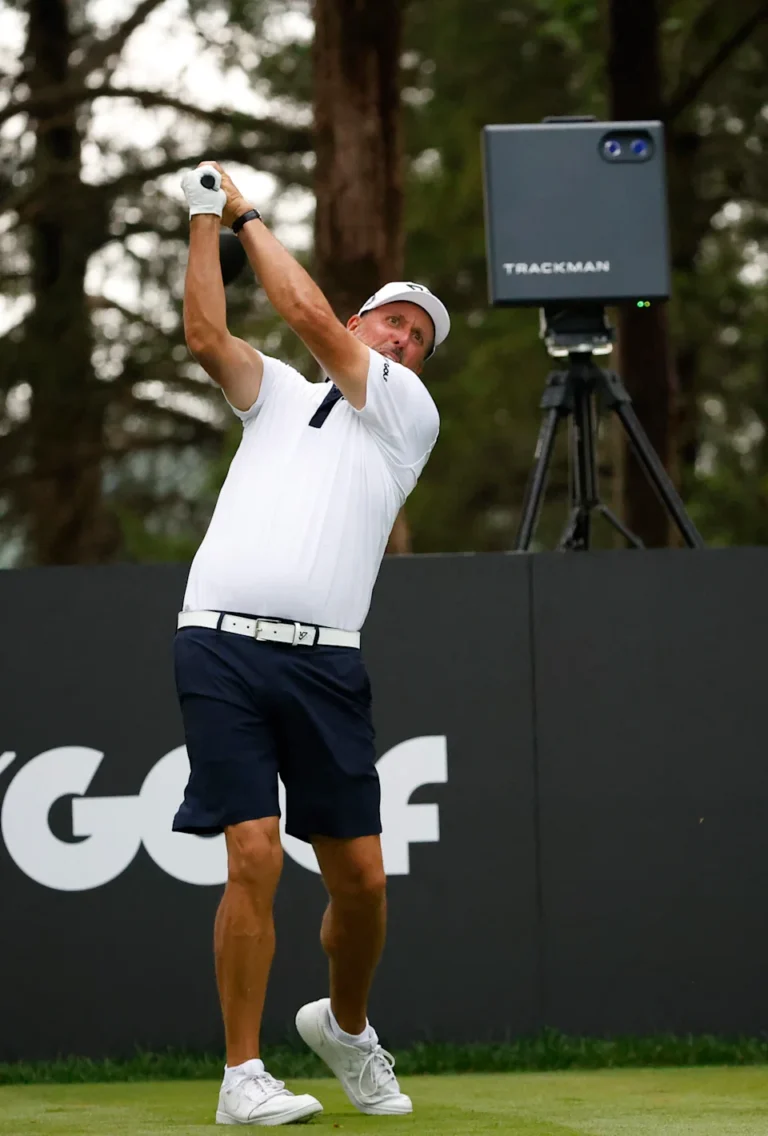
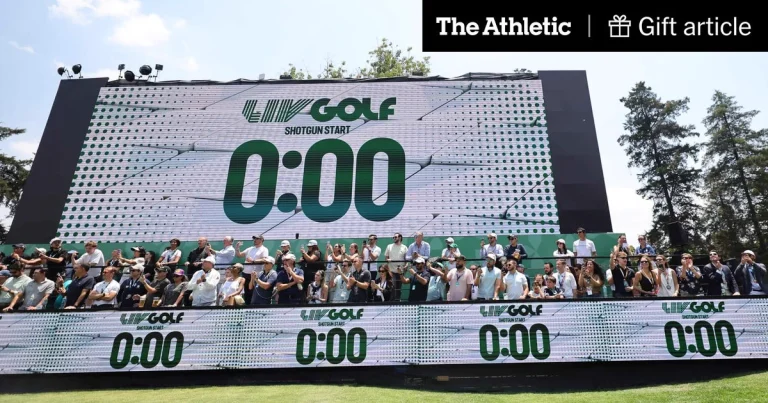
The professional golf landscape has experienced another major shakeup. However, this time, the news signals the end of an ambitious experiment. LIV Golf, the Saudi-backed league that challenged the PGA Tour, has officially announced plans to shut down operations. On November 5, 2026, LIV Golf confirmed its decision to begin winding down the league. The announcement followed months of financial uncertainty, bankruptcy proceedings, and unsuccessful attempts to attract new investors. Furthermore, the collapse ends a controversial chapter that divided professional golf for several years. The league once promised to revolutionize professional golf through enormous contracts, guaranteed prize money, and innovative tournament formats. Instead, LIV Golf now faces liquidation after spending billions of dollars trying to compete with established tours.
Saudi Arabia Pulls the Financial Plug
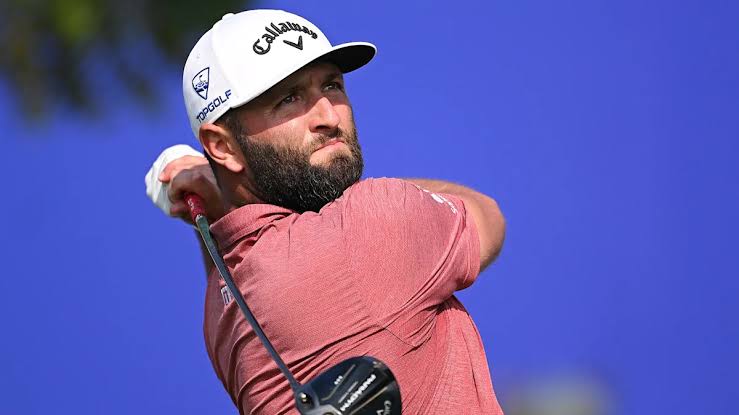
LIV Golf launched its inaugural season in June 2022 with financial support from Saudi Arabia’s Public Investment Fund. The organization invested more than $5 billion into the league’s operations, player contracts, and global tournaments. Initially, that financial backing allowed LIV Golf to attract some of the biggest names in professional golf. Phil Mickelson, Dustin Johnson, Brooks Koepka, Bryson DeChambeau, and Cameron Smith joined the controversial circuit. Additionally, Jon Rahm eventually joined the league, strengthening its roster of major championship winners.
However, the financial picture changed dramatically during 2026. In April, Saudi Arabia announced that its Public Investment Fund would stop financing LIV Golf after the season. The organization cited changing investment priorities and the enormous costs of maintaining the league. Consequently, LIV Golf faced a difficult challenge. The league needed outside investors to replace the financial support that had fueled its existence. Without that money, its expensive business model faced an uncertain future.
Bankruptcy and the Failed LIV Golf 2.0 Plan
As financial pressure increased, LIV Golf filed for Chapter 11 bankruptcy protection in September 2026. League officials hoped restructuring would provide enough time to develop a sustainable business model. The proposed solution became known as LIV Golf 2.0. Investment firm BC Partners Credit offered potential financing worth $300 million to support the league’s future. That money could have helped LIV Golf organize tournaments during the 2027 season. Additionally, the proposed structure emphasized team competition, player equity, and a more sustainable financial approach. However, the investment depended on attracting enough professional golfers to support the new league. Unfortunately, negotiations failed to produce an acceptable agreement. Although several golfers expressed interest, the proposed restructuring encountered disagreements over financial terms and player commitments. BC Partners eventually withdrew its financial support. Consequently, LIV Golf lost its best opportunity to continue operating beyond 2026.
November 5 Officially Marks the End
The decisive moment arrived during a bankruptcy court hearing in New Jersey on November 5. LIV Golf’s attorneys confirmed that the organization would abandon its proposed restructuring plan. Instead, the league would pursue an orderly liquidation of its remaining assets. That process involves selling assets and distributing available proceeds to creditors under bankruptcy court supervision. According to NBC Sports, attorneys expect the liquidation process to begin Monday, November 9. However, the court must still approve the liquidation plan. The creditors committee has a meeting scheduled for November 20. Another bankruptcy hearing will follow on November 24. Meanwhile, LIV Golf’s leadership acknowledged that the organization could no longer continue under its existing circumstances. The league also confirmed that it would consider third-party offers during the wind-down process. Therefore, LIV Golf’s original business model has reached its conclusion. The proposed replacement league also appears finished, barring an unexpected development.
Star Players Begin Leaving LIV Golf
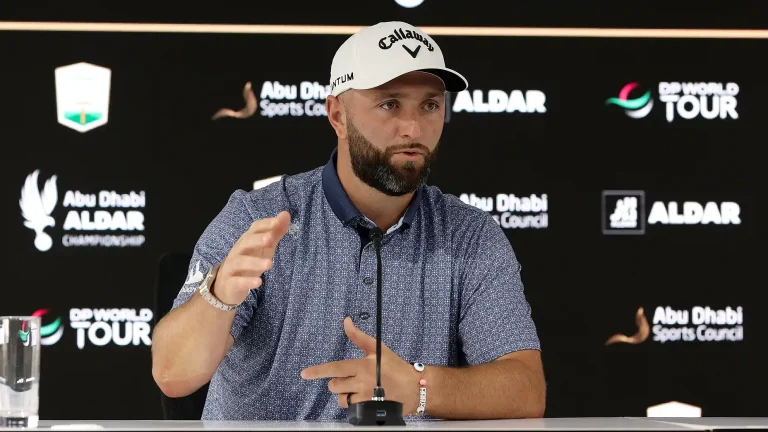
Financial uncertainty created another serious problem for LIV Golf. Several prominent players began exploring opportunities outside the struggling organization. Jon Rahm emerged among the most significant departures. The former Masters champion announced his departure after LIV Golf entered bankruptcy protection. Additionally, Tyrrell Hatton and Sergio Garcia announced plans to leave the organization. Their departures weakened LIV Golf’s ability to attract investors and maintain a competitive roster. Brooks Koepka had already returned to the PGA Tour earlier in 2026. His return demonstrated that some prominent golfers could find pathways back into established professional competition.
However, returning to the PGA Tour does not automatically guarantee full membership for every former LIV player. Eligibility requirements, contractual obligations, and reinstatement conditions could complicate individual situations. Furthermore, the DP World Tour increased pressure on players considering LIV Golf’s proposed revival. Its membership restrictions threatened opportunities for European golfers hoping to compete in future Ryder Cups. As a result, remaining players faced difficult decisions about their professional futures.
How LIV Golf Changed Professional Golf
Despite its collapse, LIV Golf significantly influenced professional golf during its relatively brief existence. The league challenged traditional tournament structures and forced established organizations to reconsider their business models. LIV Golf introduced team-based competition alongside individual tournaments. Additionally, its original events featured 54-hole formats, shotgun starts, and substantial guaranteed prize money. Those changes attracted attention from golfers who wanted shorter schedules and greater financial security. However, critics questioned whether the format could sustain meaningful competition and long-term fan engagement. The league also generated considerable controversy because of its Saudi Arabian financial backing.
Human rights advocates accused Saudi Arabia of using sports investments to improve its international reputation. Meanwhile, LIV Golf’s arrival created a bitter rivalry with the PGA Tour. Players faced suspensions, legal disputes, and difficult choices about their professional careers. In June 2023, the PGA Tour and Saudi Arabia’s Public Investment Fund announced a framework agreement. The proposal aimed to unify commercial interests and resolve ongoing litigation. However, negotiations never produced the anticipated agreement. Ultimately, LIV Golf’s financial difficulties ended the competition before the organizations could complete a broader partnership.
What Happens to Professional Golf Now?
LIV Golf’s collapse creates several important questions for the PGA Tour and professional golf worldwide. Most importantly, the sport must determine how former LIV players can return to established competitions. The PGA Tour could regain additional major championship winners and recognizable international stars. However, individual eligibility decisions will determine which players return and when. Additionally, the DP World Tour could benefit from golfers seeking regular competition across Europe and other international markets. The departure of established stars from LIV Golf could strengthen tournament fields throughout professional golf.
Nevertheless, the collapse does not automatically resolve every disagreement between players, organizers, and governing bodies. Financial disputes, membership rules, and outstanding contractual matters could continue beyond the league’s closure. Meanwhile, LIV Golf’s creditors must navigate the bankruptcy process. Court proceedings will determine how the organization handles its remaining assets and financial obligations. For golf fans, the biggest question involves whether professional golf can rebuild relationships after years of division.
LIV Golf’s Legacy: A Costly Experiment
LIV Golf entered professional golf promising a revolution. Its financial backing, aggressive recruiting, and unconventional tournaments created immediate disruption across the sport. For several years, the organization challenged the PGA Tour’s position at the center of professional golf. However, LIV Golf never established a sustainable financial foundation independent of Saudi Arabia’s support. The collapse of the BC Partners investment ultimately eliminated the league’s proposed path forward. Additionally, the departures of prominent players made rebuilding the organization increasingly difficult. LIV Golf deserves recognition for introducing new ideas and creating additional earning opportunities for professional golfers. Nevertheless, enormous financial investment alone could not guarantee long-term success.
The league’s closure also offers an important lesson about professional sports. Sustainable revenue, committed participants, and stable financial partnerships remain essential for any successful organization. Ultimately, LIV Golf changed professional golf without securing its own future. Its influence could remain visible through player compensation, tournament innovation, and future discussions about golf’s direction. After more than $5 billion in Saudi investment, LIV Golf’s ambitious challenge has reached its end. The league that promised to transform professional golf now leaves behind a complicated legacy. The PGA Tour and other established organizations must now determine what comes next. However, one thing remains clear: LIV Golf’s collapse marks the end of one of professional golf’s most controversial experiments.



Author Profile

-
Bradley Walker (VP) and Head of our Florida operations for NGSC Sports, bringing extensive experience across collegiate, professional, and amateur athletics. His coverage spans USF Athletics, including football, baseball, lacrosse, and softball, as well as University of Tampa baseball.
Bradley also provides coverage of minor league baseball with the Clearwater Threshers and Major League Baseball with the Tampa Bay Rays. On the national stage, he covers college football bowl games and conference championship matchups, along with premier golf events across the PGA Tour, LIV Golf, and LPGA Tour.
In addition to his reporting work, Bradley is the play-by-play announcer for Pinellas Park High School Patriots football, lending his voice and insight to Friday night lights.
He is also an active podcast host and contributor, serving as a host on The Walker Report, where he delivers in-depth sports analysis, interviews, and coverage across multiple levels of competition.
Latest entries
 GolfNovember 6, 2026 at 12:02 amLIV Golf Is Over: The $5 Billion Collapse That Shook Golf
 NFLNovember 6, 2026 at 12:02 amTom Brady Returns to Gillette Stadium for Historic FOX Broadcast
 OlympicsNovember 6, 2026 at 12:02 amRussia’s Return to Sports Sparks Global Debate
 NFLNovember 6, 2026 at 12:01 amNFL Trade Deadline 2026: Stars Who Could Be on the Move
About the Author