Photo Credit: Instagram
 0
 0
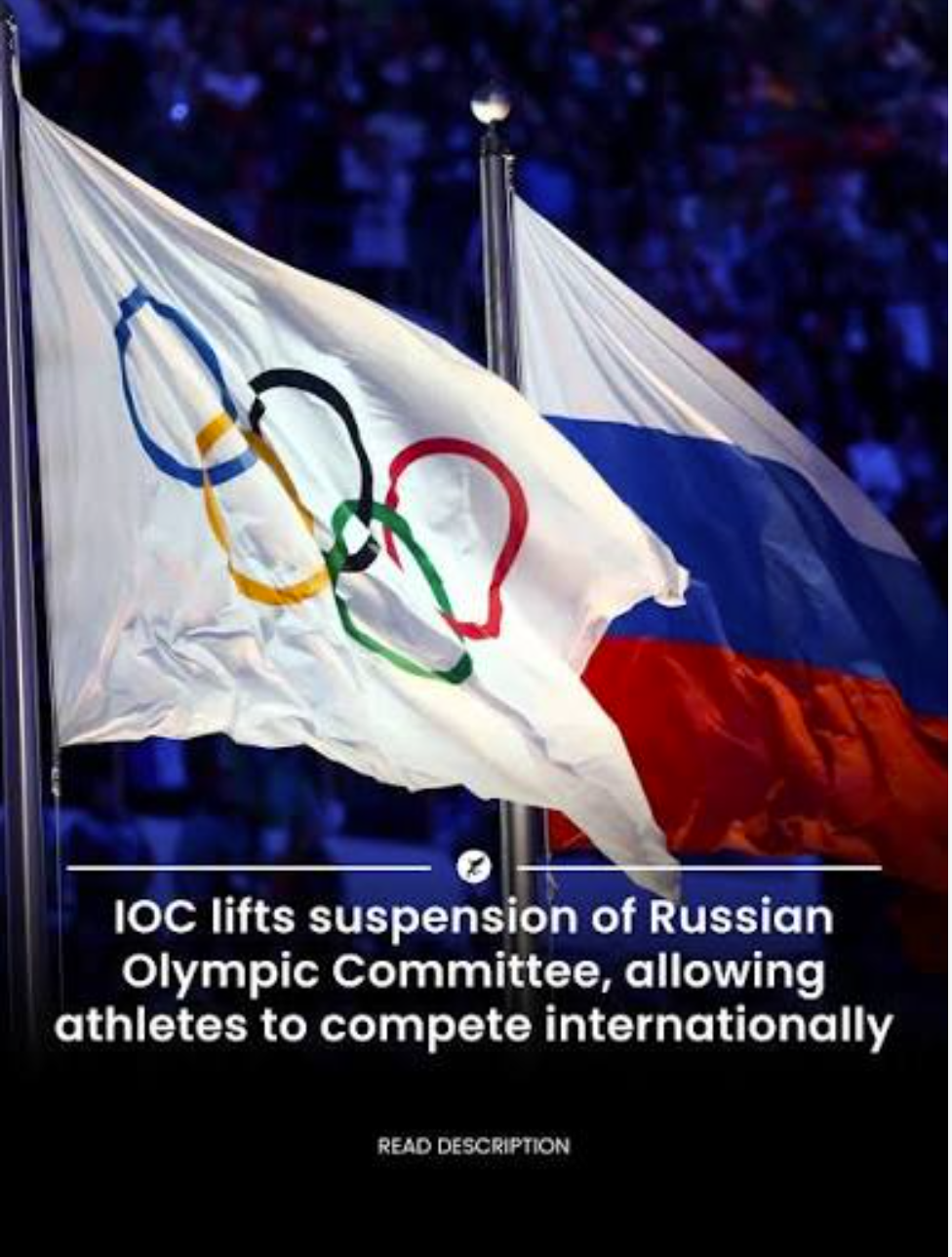
The international sports world faces another controversial decision following the return of Russian athletes to global competition. After years of restrictions, several international governing bodies have opened their doors to Russian competitors. However, the decision has sparked strong reactions from athletes, political leaders, and sports organizations worldwide. Some believe athletes deserve opportunities regardless of their government’s actions. Others argue that Russia’s ongoing war in Ukraine makes reinstatement difficult to justify. The International Olympic Committee took a significant step toward restoring Russian participation on July 7, 2026. The IOC provisionally lifted its suspension of the Russian Olympic Committee and withdrew its broader participation restrictions. Nevertheless, individual sports federations still control eligibility within their respective competitions. Consequently, Russian athletes face different rules depending on their sports. The debate raises an important question about international competition. Should athletes lose opportunities because of decisions their governments make?
Why Did International Sports Ban Russia?
International sports organizations imposed widespread restrictions following Russia’s invasion of Ukraine in February 2022. The IOC recommended excluding Russian and Belarusian athletes from international events shortly after the invasion began. Belarus also faced restrictions because its territory supported Russian military operations. Additionally, Russia had already encountered significant Olympic sanctions following investigations into state-sponsored doping. Those earlier penalties prevented Russian athletes from competing under their national flag at several Olympic Games. The IOC later allowed selected athletes to compete individually under neutral status. However, those athletes faced eligibility requirements and restrictions on national symbols. The organization also suspended the Russian Olympic Committee in October 2023. That suspension followed the committee’s incorporation of sports organizations from Russian-occupied Ukrainian territories. In July 2026, the IOC determined that Russia’s Olympic Committee had addressed that particular organizational violation. Therefore, officials provisionally restored its recognition.
The Argument for Allowing Russian Athletes to Compete
Supporters of reinstatement believe international sports should separate individual athletes from government decisions. An athlete does not necessarily support a war simply because they hold a Russian passport. Furthermore, many competitors spend their entire lives preparing for opportunities at the Olympic Games and world championships. Denying those opportunities could punish individuals who have no influence over their country’s military decisions. IOC President Kirsty Coventry has defended the principle of allowing athletes to compete independently of government actions. The organization also maintains its opposition to violence and armed conflict. Supporters argue that international competition should promote unity rather than deepen political divisions. Additionally, sports provide opportunities for athletes from opposing nations to demonstrate mutual respect. A Russian competitor and Ukrainian competitor could potentially share the same sporting stage despite their governments’ conflict. However, that possibility does not eliminate the emotional challenges surrounding their participation.
Why Ukraine Strongly Opposes the Decision
Ukraine has consistently opposed efforts to restore Russian participation while the war continues. Ukrainian officials argue that allowing Russia to return sends the wrong message about accountability. The conflict has devastated communities, displaced families, and disrupted sporting opportunities throughout Ukraine. Furthermore, Ukrainian athletes have faced significant challenges maintaining their training schedules during the war. Some competitors have lost access to facilities, while others have experienced the deaths of friends and family members. Ukrainian tennis player Marta Kostyuk publicly criticized the IOC’s decision, questioning its compatibility with fair competition.
Ukraine’s Foreign Ministry also condemned the decision to ease restrictions. Opponents believe Russian participation could provide symbolic legitimacy to a government conducting military operations against Ukraine. Additionally, national flags and anthems carry political significance during international competitions. For Ukrainian athletes, competing against representatives of Russia could create emotional challenges extending beyond ordinary sporting rivalries. These concerns deserve serious consideration before governing bodies make further decisions.
Different Sports Have Taken Different Approaches
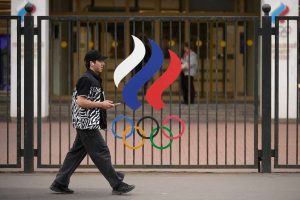
Not every international sports organization agrees about Russia’s return. World Archery restored participation rights for Russian athletes, teams, and officials in August 2026. The organization also permitted Russian competitors to use their national flag and anthem at its events. World Archery Meanwhile, the International Table Tennis Federation restored Russian participation in July. Its decision covered individual and team competitions, subject to standard eligibility requirements. International Table Tennis Federation The International Skating Union adopted a different approach. Russian and Belarusian skaters can participate during the 2026-27 season under neutral status. However, those competitors cannot display their national flags or use their national anthems. International Skating Union World Athletics has maintained its restrictions against Russian competitors. Consequently, athletes in track and field face different circumstances than competitors in several other Olympic sports. These inconsistent policies create additional questions about fairness and international sporting governance.
Hockey Creates Another Major Controversy
International hockey has become one of the most contentious parts of Russia’s potential return. A recent Court of Arbitration for Sport ruling challenged Russia’s exclusion from international hockey competition. However, several European hockey federations strongly oppose reinstatement. Finland, Sweden, Norway, Denmark, Latvia, and the Czech Republic have indicated they will refuse to face Russia. Their opposition creates uncertainty surrounding the 2027 men’s World Championship in Germany. Financial Times Furthermore, the International Ice Hockey Federation has raised concerns about security, visas, scheduling, and tournament organization. The federation reiterated those concerns on November 4. Canadian Prime Minister Mark Carney also indicated that Russia and Belarus would not participate in the upcoming World Junior Championship in Alberta. These developments demonstrate that legal decisions cannot automatically resolve political disagreements. International hockey officials must now determine how to organize competitions without creating additional conflicts.
What About the 2028 Los Angeles Olympics?
The 2028 Summer Olympics could become the next major test of Russia’s international sporting status. The IOC’s July decision opened a potential pathway toward broader Russian participation in Los Angeles. However, reinstating the Russian Olympic Committee does not guarantee unrestricted Olympic entry. Individual federations still determine qualification rules and participation requirements. Additionally, the IOC has not finalized every question surrounding Russian flags, uniforms, and national symbols. Athletes must also satisfy anti-doping requirements before returning to competition. That requirement remains particularly important because of Russia’s previous state-sponsored doping scandal. The IOC must demonstrate that all competitors face consistent testing standards. Otherwise, concerns about competitive integrity could overshadow the Games.
Should Politics Stay Out of Sports?
Many people believe politics and sports should remain separate. However, international competitions have always carried political significance. Athletes represent countries, national identities, and cultural traditions whenever they compete internationally. The Olympic Games regularly feature national flags, anthems, and medal standings. Therefore, separating international sports completely from politics presents considerable challenges. Nevertheless, individual athletes should not automatically bear responsibility for every decision their governments make. At the same time, international organizations cannot ignore serious human rights concerns or military conflicts. Finding the appropriate balance requires consistent policies and transparent decision-making. Furthermore, governing bodies should consider the experiences of Ukrainian athletes alongside those of Russian competitors. Fairness must extend to everyone involved.
Opinion: Russian Athletes Deserve a Chance, but Conditions Matter
The strongest argument for allowing Russian athletes to return centers on individual responsibility. An athlete should not automatically lose their career because of their nationality. Many Russian competitors have dedicated decades to their sports without participating in political decisions. Therefore, allowing eligible individuals to compete under neutral conditions offers a reasonable compromise. However, international organizations should not rush toward unrestricted national representation. Russia’s ongoing military actions in Ukraine remain a serious concern. Furthermore, allowing national flags and anthems could transform individual athletic participation into a broader political statement. Maintaining neutral status would protect opportunities for athletes while recognizing the seriousness of the conflict. Additionally, governing bodies should enforce independent anti-doping testing and clear eligibility standards. Officials must also address legitimate safety concerns before scheduling competitions involving Russian teams. Most importantly, international sports organizations must apply their principles consistently. Selective enforcement creates confusion and damages public confidence in sporting institutions.
Final Thoughts: Finding Fairness in a Divided World
Russia’s return to international sports represents much more than an ordinary eligibility decision. The controversy involves athletic opportunity, national identity, international law, and the consequences of war. Supporters believe Russian athletes deserve opportunities to compete without facing punishment for government decisions. Meanwhile, opponents believe restoring Russia’s sporting presence undermines accountability during an ongoing conflict. Both arguments raise important questions about the responsibilities of international sports organizations. However, the distinction between individual athletes and national representation deserves particular attention. Allowing qualified Russian athletes to compete neutrally could provide a reasonable middle ground. That approach would preserve athletic opportunities without automatically restoring every privilege associated with national representation.
Furthermore, consistent anti-doping enforcement and clear eligibility requirements would strengthen confidence in the process. The IOC and international federations must continue listening to athletes from every affected country. Ultimately, sports should promote competition, respect, and fairness without ignoring serious international concerns. Russian athletes deserve fair consideration, but their return should not come at the expense of accountability or Ukrainian athletes’ concerns. The international sports community now faces an important responsibility: balancing individual rights with the broader consequences of Russia’s actions. How officials handle that responsibility could shape international competition for years to come.



Author Profile

-
Bradley Walker (VP) and Head of our Florida operations for NGSC Sports, bringing extensive experience across collegiate, professional, and amateur athletics. His coverage spans USF Athletics, including football, baseball, lacrosse, and softball, as well as University of Tampa baseball.
Bradley also provides coverage of minor league baseball with the Clearwater Threshers and Major League Baseball with the Tampa Bay Rays. On the national stage, he covers college football bowl games and conference championship matchups, along with premier golf events across the PGA Tour, LIV Golf, and LPGA Tour.
In addition to his reporting work, Bradley is the play-by-play announcer for Pinellas Park High School Patriots football, lending his voice and insight to Friday night lights.
He is also an active podcast host and contributor, serving as a host on The Walker Report, where he delivers in-depth sports analysis, interviews, and coverage across multiple levels of competition.
Latest entries
 GolfNovember 6, 2026 at 12:02 amLIV Golf Is Over: The $5 Billion Collapse That Shook Golf
 NFLNovember 6, 2026 at 12:02 amTom Brady Returns to Gillette Stadium for Historic FOX Broadcast
 OlympicsNovember 6, 2026 at 12:02 amRussia’s Return to Sports Sparks Global Debate
 NFLNovember 6, 2026 at 12:01 amNFL Trade Deadline 2026: Stars Who Could Be on the Move
About the Author