 0
0
 0
0
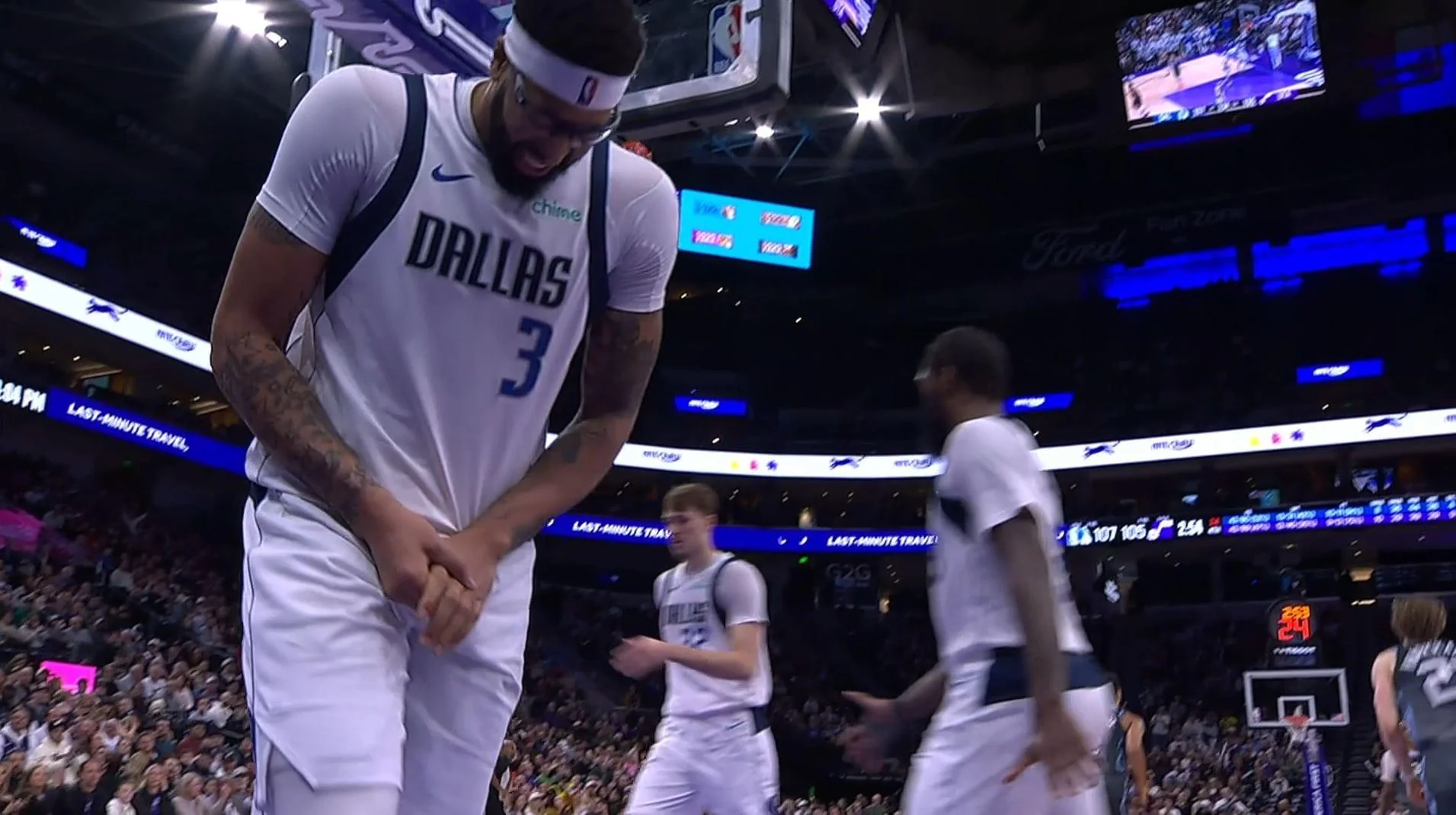
It has been a whirlwind 24 hours for Anthony Davis and the Dallas Mavericks. After early reports on Tuesday suggested AD would require season-ending hand surgery, both the player and the team have since clarified that he will bypass the procedure, though he is still expected to miss at least six weeks with ligament damage in his left hand.
For the Mavericks—who are currently struggling at 15–25—and for any team eyeing a blockbuster trade before the February 5th deadline, this latest injury is a cold reminder of the “AD Paradox”: he is a top-five talent who carries a top-five risk.
The Current Situation in Dallas
The context of this injury is particularly painful because of the high stakes involved in AD’s arrival in Dallas.
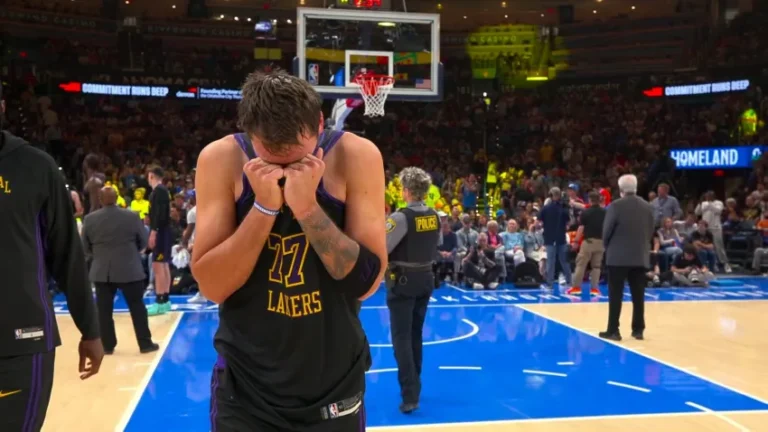
- The Trade Legacy: Davis arrived in Dallas last season in the earth-shattering deal that sent Luka Doncic to the Lakers. Since that trade, Davis has missed 40 of 71 potential games for the Mavericks.
- The Injury: AD was injured on January 8th while defending Utah’s Lauri Markkanen.4 This marks his second month-long absence this season alone (he previously missed 15 games with a calf strain).
- The “Lies” Controversy: AD took to social media yesterday to dispute reports that his season was over, shouting, “stop listening to all these lies.” While he isn’t out for the year, a six-week timeline still keeps him off the court until late February.
Why Injury History is a “Value Killer” in Trade Talks
When a team like the Warriors, Hawks, or Raptors (all rumored to be interested) considers trading for a superstar, they aren’t just buying points and rebounds; they are buying postseason security. Here is why AD’s history makes a trade incredibly difficult:
1. The “Post-Trade” Anxiety
Teams are terrified of the “Mavericks Scenario”: giving up a generational star (like Luka) or a haul of four first-round picks, only for the new centerpiece to be in a suit on the bench. Because AD’s injuries are often “freak” occurrences (like catching a hand in a jersey), they are unpredictable, making him a “volatile asset” in a portfolio.
2. The Financial Albatross
In 2026, AD is making $54.1 million. That jumps to $58.5 million next year, followed by a $62.8 million player option.
The Extension Factor: He is also eligible for a four-year, $275 million max extension this August. It is nearly impossible for a GM to justify a quarter-billion-dollar commitment to a 32-year-old who has played more than 60 games only once this decade.
3. Leverage Shift
Before this hand injury, Dallas could have demanded a “King’s Ransom.” Now, according to league insiders, the price has dropped significantly. Teams are no longer trading for “The Defensive Player of the Year”; they are trading for “A Chance he’s healthy for the second round.”
The Stats: Impact vs. Absence
Despite the injuries, the numbers show why teams still pick up the phone.
| Metric | With AD in Lineup (2025-26) | Without AD in Lineup |
| Mavs Record | 10–10 (.500) | 5–15 (.250) |
| Defensive Rating | 110.2 (Top 5) | 118.4 (Bottom 5) |
| Rim Protection | 1.6 Blocks/Game | 0.4 Blocks/Game |
The Bottom Line
Anthony Davis is the ultimate “High-Low” bet. If a contender like the Golden State Warriors pulls the trigger, they are betting that they can manage his minutes well enough to get 16 wins in the playoffs. But for the Mavericks, this injury may have turned a “blockbuster asset” into a “distressed property” just weeks before the most important trade deadline in franchise history.



Author Profile

Latest entries
 healthApril 3, 2026Rocks Discount Vitamins – Save on Quality Supplements
 MLBApril 2, 2026Breakout MLB Teams Bettors Should Be Watching in the 2026 Season
 MLBApril 1, 2026MLB Weekly Digest: The Top Storylines from the Diamond
 The HubApril 1, 2026Lymphatic Organic Las Vegas | Detox Massage Therapy Center
About the Author