Photo Credit: USA Today
 0
 0
Read Time:7 Minute, 29 Second
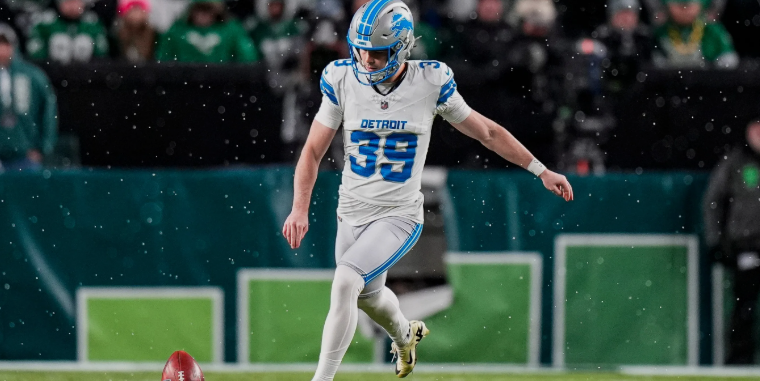
The NFL continues changing its kickoff rules, and its latest adjustment gives coaches another strategic weapon. Teams can now attempt an onside kick at any point during a game, regardless of the score. The change opens possibilities for aggressive coaches who want additional possessions. However, the league still requires teams to announce their intentions before attempting the kick. Consequently, the element of surprise remains absent from one of football’s most exciting special teams plays.
NFL owners approved the change during their annual league meeting in Phoenix on March 31, 2026. The adjustment became part of the league’s official rules for the 2026 season. Although the modification appears minor, it could influence coaching decisions throughout the league. More importantly, it raises questions about whether the NFL should restore traditional surprise onside kicks.
What Changed With the NFL Onside Kick Rule?
Previously, the NFL restricted when teams could attempt an onside kick. Those restrictions began when the league introduced its dynamic kickoff format in 2024. During that first season, only trailing teams could attempt onside kicks during the fourth quarter. The rule eliminated surprise attempts earlier in games and limited opportunities for aggressive coaching decisions. However, the NFL loosened those restrictions before the 2025 season. Trailing teams could attempt onside kicks during any quarter, rather than waiting until the fourth.
The league took another step in 2026 by removing the requirement that teams must trail. Now, teams can attempt onside kicks while winning, losing, or playing with a tied score. For example, a team leading by seven points could attempt an onside kick following a touchdown. Likewise, a team could attempt one during the opening quarter. Nevertheless, the kicking team must still notify officials before attempting the play.
Why Did the NFL Make This Change?
The NFL Competition Committee wanted to provide coaches with greater flexibility. Competition Committee co-chairman Rich McKay explained the reasoning following the league’s annual meeting. According to McKay, certain penalty situations created opportunities where teams wanted to attempt onside kicks. For example, an opponent might commit a penalty during an extra-point attempt. That penalty could allow the scoring team to kick off from the 50-yard line.
Under the previous rules, a leading team could not attempt an onside kick despite enjoying favorable field position. However, the updated rule eliminates that restriction. Furthermore, coaches can now consider unusual game situations without worrying about their team’s position on the scoreboard. The change provides additional strategic options without fundamentally changing the mechanics of the play. Still, coaches must determine whether the potential reward outweighs the risk of surrendering excellent field position.
The Biggest Problem Remains the Lack of Surprise
One of the most entertaining aspects of traditional onside kicks involved catching opponents off guard. Teams occasionally surprised opponents by attempting unexpected kicks early in games. Those decisions created memorable moments and sometimes changed the momentum of important contests. However, the NFL’s current rules prevent that strategy. Teams must declare an onside kick before the play, allowing opponents to prepare their recovery formations. Consequently, the receiving team knows exactly what the kicking team intends. That requirement significantly reduces the uncertainty surrounding the play.
Additionally, modern formation restrictions make recovering onside kicks extremely difficult. The NFL introduced the dynamic kickoff to improve player safety while encouraging more returns. However, those adjustments also changed the way teams approach onside kicks. The league now faces a difficult challenge: preserving player safety while maintaining competitive excitement. Restoring surprise kicks would require another rule change, something the NFL has not approved.
Onside Kick Success Rates Remain Extremely Low
Recovering an onside kick has become one of football’s most difficult special teams accomplishments. According to reporting from SB Nation, kicking teams recovered fewer than eight percent of attempts under the dynamic kickoff system. That figure highlights the enormous challenge facing teams attempting late-game comebacks. Furthermore, announcing an onside kick gives receiving teams valuable preparation time.
Players can anticipate the direction of the kick and concentrate on securing possession. Meanwhile, the kicking team must execute a nearly perfect attempt to create a recovery opportunity. A poor bounce or mistimed approach can quickly eliminate any chance of success. The NFL’s latest adjustment expands when coaches can attempt onside kicks. However, it does not directly address the low recovery percentage. Consequently, fans should not expect a dramatic increase in successful attempts simply because of the new rule. The fundamental challenge remains the same: recovering possession against an opponent expecting the kick.
Could Aggressive Coaches Take Advantage?
The new rule could create opportunities for coaches willing to gamble. Imagine a team scoring a touchdown late in the first half while holding a narrow lead. Instead of kicking deep, the coach could attempt an onside kick and pursue another scoring opportunity. Similarly, a team trailing by multiple touchdowns could attempt an onside kick earlier than usual. However, these strategies carry considerable risk.
An unsuccessful attempt generally provides the opposing offense with favorable field position. That outcome could quickly turn a competitive game into a comfortable advantage for the opponent. Therefore, coaches must consider their defenses, offensive efficiency, and remaining time before making such decisions. Carolina Panthers head coach Dave Canales discussed the possibilities following the league’s approval. Canales explained that he and game management coordinator George Li examined situations where the rule might help. Their evaluation identified a limited number of potential opportunities. That observation suggests coaches may use the additional flexibility selectively rather than regularly.
Player Safety Still Drives the NFL’s Decisions
Player safety remains central to the NFL’s kickoff modifications. The league introduced the dynamic kickoff format in 2024 to reduce dangerous high-speed collisions. Traditional kickoffs allowed players to sprint considerable distances before making contact. Those situations created concerns about the severity of collisions during returns. The dynamic format places players closer together and restricts movement until specific conditions occur.
Consequently, the league hopes to maintain competitive returns while reducing dangerous impacts. However, the NFL must balance those safety objectives against the entertainment value of special teams. Fans want exciting returns, unpredictable coaching decisions, and opportunities for dramatic comebacks. Meanwhile, coaches want rules that provide realistic chances to regain possession. The league’s latest onside kick adjustment represents another attempt to balance those competing priorities. Nevertheless, removing timing restrictions does not automatically solve the problems surrounding recovery opportunities.
Should the NFL Bring Back Surprise Onside Kicks?
The NFL should seriously consider whether its current onside kick format provides enough competitive balance. Allowing attempts throughout games gives coaches more freedom. However, eliminating surprise still limits the strategy’s effectiveness. Football thrives on unpredictability, particularly during crucial moments. A perfectly executed surprise onside kick can change momentum and energize an entire stadium.
Furthermore, successful special teams plays often become defining moments in championship seasons. However, returning to traditional kickoff formations could reintroduce safety concerns. Therefore, the NFL should explore alternatives that improve recovery opportunities without increasing unnecessary risks. One possibility involves adjusting player alignment requirements during declared onside kicks. Another involves examining whether specific formation changes could create more competitive recovery situations. However, any additional modification would require careful evaluation and league approval. The objective should remain simple: give teams a reasonable opportunity without making recovery too easy.
What Does This Mean for the Rest of the 2026 NFL Season?
The rule gives coaches additional options as the regular season progresses toward the playoffs. Teams fighting for postseason positioning could consider unconventional decisions during important games. Meanwhile, struggling franchises might become more aggressive when traditional strategies fail. However, the low recovery rate will likely discourage unnecessary risks. Coaches understand that surrendering favorable field position can dramatically change a game’s outcome.
Therefore, most onside kicks will probably continue occurring when teams desperately need additional possessions. Still, the NFL has removed a restriction that previously prevented teams from making those decisions. That flexibility could eventually produce an unexpected moment during an important contest. The question now concerns whether coaches will embrace the opportunity or continue following conventional strategies.
Final Thoughts: A Good Change, but Not Enough
The NFL deserves credit for giving coaches more flexibility with onside kicks. Allowing teams to attempt them regardless of the score makes strategic sense. However, the league still has work to do. Requiring teams to announce their intentions removes one of football’s most exciting elements. Furthermore, extremely low recovery percentages make successful attempts increasingly unlikely.
The NFL must continue evaluating whether its current approach delivers the right balance between safety and competition. Fans deserve opportunities for dramatic comebacks, and coaches need realistic strategic options. Nevertheless, protecting players must remain a priority throughout those discussions. Ultimately, the 2026 rule change represents progress, but it does not solve every problem. The league has expanded when teams can attempt onside kicks. Now, it must determine whether the play itself needs additional adjustments. Football becomes more entertaining when teams can create unexpected moments. The NFL should preserve those opportunities whenever it can do so safely.


Happy
0 %

Sad
0 %

Excited
0 %

Sleepy
0 %

Angry
0 %

Surprise
0 %
Author Profile

-
Bradley Walker (VP) and Head of our Florida operations for NGSC Sports, bringing extensive experience across collegiate, professional, and amateur athletics. His coverage spans USF Athletics, including football, baseball, lacrosse, and softball, as well as University of Tampa baseball.
Bradley also provides coverage of minor league baseball with the Clearwater Threshers and Major League Baseball with the Tampa Bay Rays. On the national stage, he covers college football bowl games and conference championship matchups, along with premier golf events across the PGA Tour, LIV Golf, and LPGA Tour.
In addition to his reporting work, Bradley is the play-by-play announcer for Pinellas Park High School Patriots football, lending his voice and insight to Friday night lights.
He is also an active podcast host and contributor, serving as a host on The Walker Report, where he delivers in-depth sports analysis, interviews, and coverage across multiple levels of competition.
Latest entries
 GolfNovember 16, 2026 at 12:03 amLindy Duncan Wins First LPGA Title at The ANNIKA
 NFLNovember 16, 2026 at 12:03 amNFL Onside Kick Rule Change Shakes Up Football
 NFLNovember 16, 2026 at 12:03 amLions Crush Patriots 35-10 in Munich
 NCAAFNovember 15, 2026 at 12:01 amFlorida Gators Stun Kentucky in 21-14 SEC Upset
About the Author