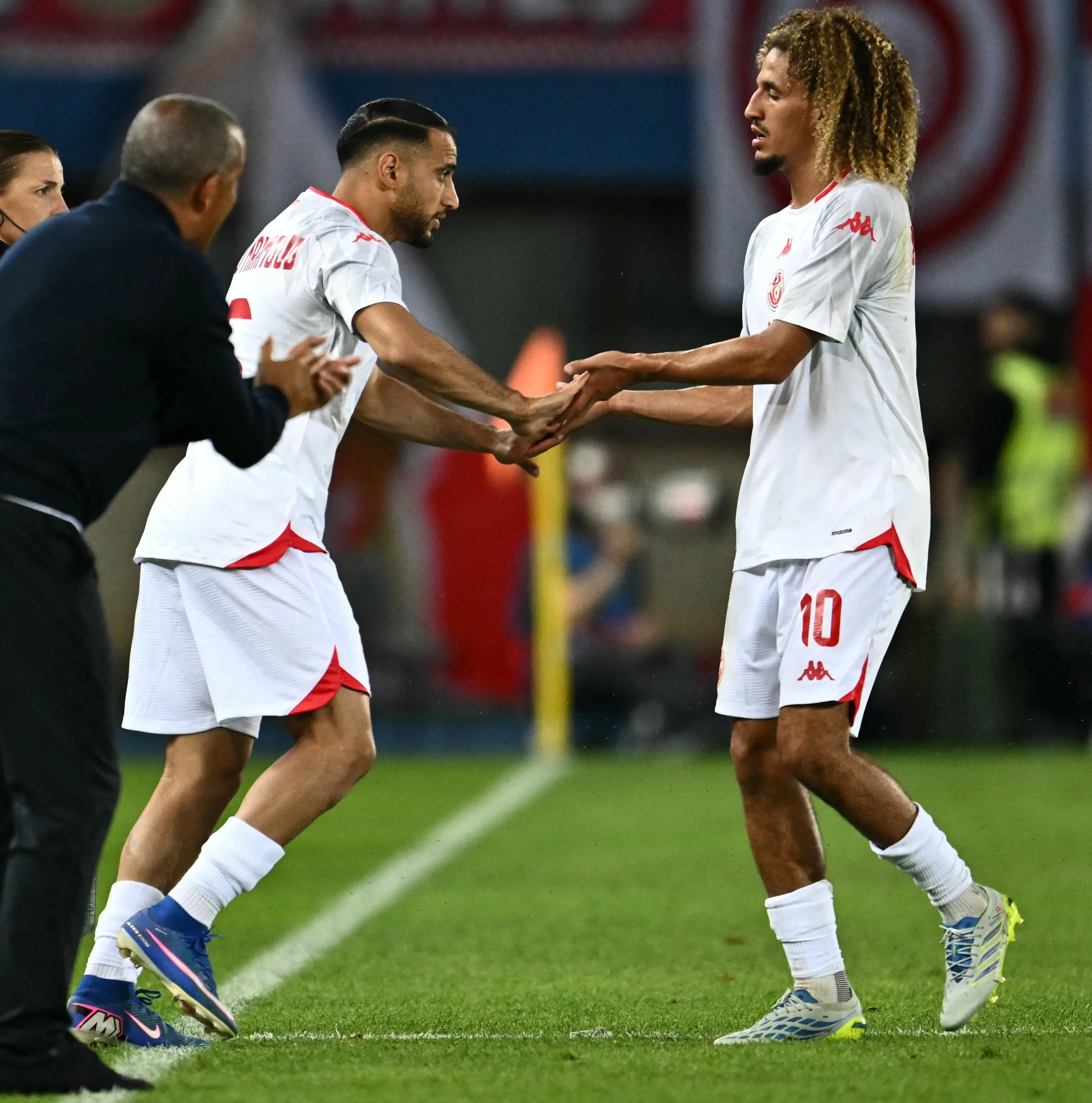
(Photo by Joe Klamar / AFP via Getty Images)
 0
 0
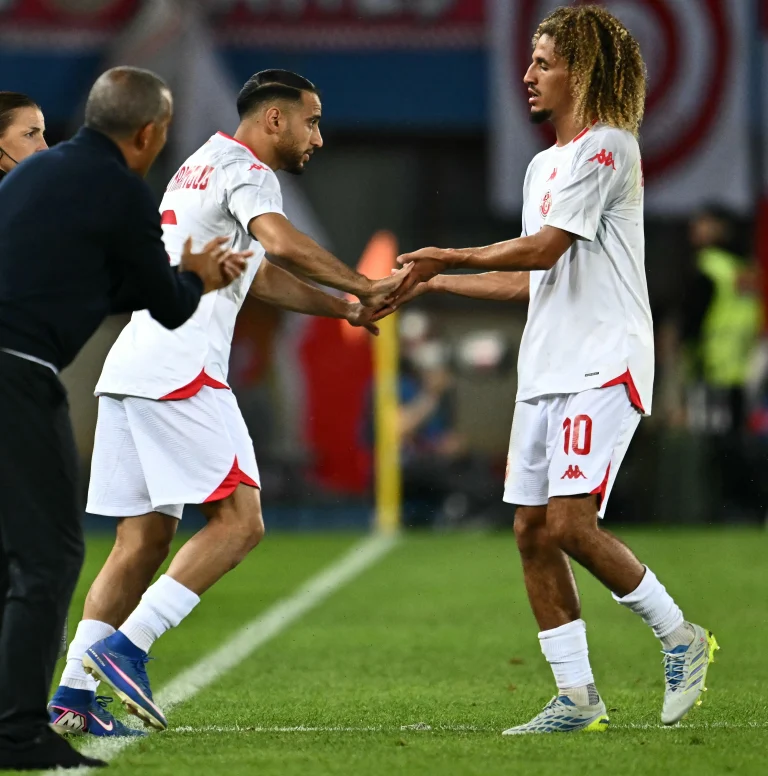
It’s the 72nd minute. The score is tied at 1-1, both teams are beginning to tire, and the crowd is getting restless. Suddenly, the fourth official raises the substitution board.
A fresh winger replaces an exhausted midfielder. The formation changes, the tempo increases, and within minutes, the attacking team starts creating opportunities that weren’t there before.
Was it simply fresh legs, or did the manager spot something everyone else missed?
Modern soccer is increasingly shaped by decisions made on the sidelines. While star players and starting lineups receive most of the attention, substitutions can transform a team’s tactics, energy, and overall approach.
Understanding soccer substitutions offers fans a fascinating look at the tactical decisions that influence matches in the Premier League, MLS, international competitions, and beyond.
How Do Soccer Substitutions Work?
A substitution allows a team to replace a player on the field with an eligible substitute from its bench.
The process sounds straightforward, but professional soccer follows specific regulations governing the number of substitutions, when they can happen, and how players enter or leave the field.
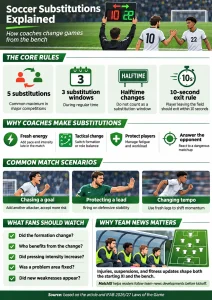
Under the International Football Association Board’s (IFAB) 2026/27 Laws of the Game, official competitions generally permit up to five substitutions, subject to competition regulations.
In top-level competitions using the five-substitute system, teams normally have three opportunities to make substitutions during regular playing time, excluding halftime.
Multiple players can be replaced during the same stoppage without consuming additional substitution opportunities.
There are also special provisions for extra time and concussion-related substitutions, depending on the competition.
Understanding the Five-Substitution Rule
The following table summarizes the standard framework used in many major professional competitions.
| Rule | How it works |
|---|---|
| Maximum substitutions | Usually five per team in major competitions |
| Substitution opportunities | Three during regular playing time |
| Halftime substitutions | Do not count toward the three opportunities |
| Multiple replacements | Can be made during a single opportunity |
| Extra-time substitutions | Additional provisions depend on competition rules |
| Return substitutions | Generally not permitted in professional soccer |
Youth, grassroots, and certain other competitions may follow different regulations.
What’s New in the 2026/27 Rules?
The 2026/27 Laws of the Game introduced a ten-second time limit for players leaving the field during substitutions.
When the substitution board is displayed, or the referee otherwise signals the change, the departing player is generally required to leave within ten seconds.
If the player takes longer without an accepted safety or injury-related reason, the substitute must wait until the first stoppage after one minute has elapsed.
The change is designed to discourage deliberate delays and keep matches moving.
Why Coaches Make Tactical Substitutions
Every substitution tells a story.
Sometimes the reason is obvious: an injured defender needs replacing, or a visibly exhausted midfielder can no longer maintain the required intensity.
Other changes are more subtle.
A coach may identify a weakness in the opposition, recognize that a particular matchup isn’t working, or decide that the team needs an entirely different tactical approach.
Here are four common reasons managers turn to their benches.
1. Introducing Fresh Energy
High-intensity pressing, repeated sprints, and constant changes of direction can take a physical toll over 90 minutes.
A fresh player entering late in the match may be better positioned to exploit space against tired opponents.
For example, introducing a quick winger against an exhausted fullback can create more opportunities for one-on-one attacks.
But freshness alone isn’t everything. The substitute must also understand the tactical requirements of the position.
2. Changing the Formation
Imagine a team playing in a traditional 4-3-3 formation.
With 20 minutes remaining, the manager decides to introduce another striker and remove a midfielder.
The team might switch toward a 4-4-2, adding an extra attacking presence in the penalty area.
Alternatively, a manager protecting a narrow lead might bring on another defender and adjust to a back five.
These decisions involve trade-offs. Adding more attackers doesn’t automatically improve the attack, just as selecting more defenders doesn’t guarantee defensive stability.
3. Responding to an Opponent’s Strengths
Suppose the opposition’s left winger is repeatedly beating the right fullback.
The manager has several options:
- Replace the struggling fullback with a stronger defensive alternative.
- Introduce a more defensively responsible winger.
- Adjust the midfield structure to provide additional support.
- Change the team’s pressing approach to reduce the winger’s opportunities.
A substitution can solve a positional problem without requiring an entirely new game plan.
4. Protecting Players and Managing Workload
Professional soccer schedules can be demanding, especially for clubs competing in domestic leagues, cup tournaments, and international competitions.
Managers must consider how much playing time individual players can handle.
Replacing a key midfielder after 65 minutes might be part of a broader workload-management plan rather than a reaction to poor performance.
This is particularly important when a team has another demanding fixture only a few days away.
How Substitutions Change a Team’s Strategy
Substitutions can influence several aspects of a match simultaneously.
| Substitution type | Tactical purpose | Possible effect |
|---|---|---|
| Fresh winger | Attack tired defenders | Greater pace and attacking width |
| Defensive midfielder | Strengthen central areas | Better protection against counterattacks |
| Additional striker | Increase attacking presence | More options inside the penalty area |
| Creative playmaker | Improve chance creation | Different passing angles and attacking combinations |
| Extra center-back | Protect a narrow lead | Greater defensive coverage, potentially less attacking support |
| Fresh fullback | Maintain width and energy | More support along the touchline |
The important point is that substitutions change relationships between players, not just individual positions.
Bringing on another striker, for example, might require someone else to cover additional defensive responsibilities.
That’s why a seemingly positive attacking change can occasionally leave a team more vulnerable.
Why Squad Depth Matters More Than Ever
A strong starting lineup is valuable, but modern competitions also reward teams with reliable alternatives.
Consider two hypothetical clubs.
Team A has several internationally experienced players on its bench. Team B has an excellent first-choice lineup but limited options when injuries or suspensions occur.
Over a single match, both teams may be equally competitive.
Across a long season, however, Team A may have more flexibility when managing injuries, fatigue, and tactical adjustments.
This is where squad depth becomes especially important.
A manager with several versatile substitutes can adapt to different situations without sacrificing the team’s overall structure.
The best substitution isn’t always the one that introduces the most talented player. It’s the one that gives the team what it needs at that particular moment.
Team News Helps Explain Matchday Decisions
The starting lineup and substitutes’ bench don’t exist in isolation. They reflect decisions shaped by player fitness, suspensions, training performances, and upcoming fixtures.
For supporters following Premier League clubs, MatchXI provides team-news coverage that helps readers keep track of player availability and selection developments ahead of matches.
Following these developments can make tactical decisions easier to understand.
For instance, if a regular starter is unavailable, a manager may have fewer experienced options to introduce from the bench later in the game.
Likewise, a player returning from injury may be named among the substitutes rather than immediately returning to the starting eleven.
Team news provides useful context, although it should not be confused with confirmation of a particular starting lineup.
The Psychology Behind a Substitution
Not all substitutions are purely tactical.
Sometimes a change is intended to shift the team’s mentality.
Introducing an energetic young player can lift the crowd and encourage teammates to increase their intensity.
Bringing on an experienced veteran might help settle a nervous team trying to protect a lead.
A manager may also choose to leave a struggling player on the field to demonstrate confidence in their ability to recover.
Of course, psychological effects are difficult to measure. A substitution that appears inspirational after a victory might be criticized if the result goes the other way.
That’s part of what makes soccer management so fascinating.
Managers make decisions with incomplete information, often under enormous pressure.
Three Substitution Scenarios Every Soccer Fan Should Recognize
Next time you watch a match, pay attention to these common situations.
Scenario 1: Chasing a Goal
A team is losing 1-0 with 15 minutes remaining.
The manager removes a defensive midfielder and introduces an additional forward.
The intention is clear: increase attacking pressure and place more players in dangerous positions.
However, the team may become exposed to counterattacks.
Scenario 2: Protecting a Narrow Lead
A team leads 2-1 in the closing stages.
The manager replaces an attacking player with a defensively minded midfielder.
The team becomes more compact, hoping to limit space between its defensive lines.
The risk is that surrendering too much attacking territory may invite sustained pressure.
Scenario 3: Changing the Tempo
The score is level, and both teams appear comfortable.
A manager introduces two fresh players with greater speed and directness.
Their movement might disrupt the opposition’s defensive organization and create new passing opportunities.
None of these approaches guarantees success. Their effectiveness depends on execution, available players, and the opponent’s response.
How to Watch Substitutions Like a Tactical Analyst
Watching soccer becomes even more interesting when you start examining the thinking behind personnel changes.
Instead of focusing only on which player enters or leaves, look at what happens immediately afterward.
Here are five questions worth asking:
- Did the formation change? Watch where the substitute positions themselves during the first few minutes.
- Who benefits from the change? A new winger might create more space for an overlapping fullback.
- Has the pressing intensity increased? Fresh players may allow the team to defend more aggressively.
- Did the manager solve a specific problem? Look for adjustments in areas where the opposition previously dominated.
- What new weaknesses appeared? Every tactical change can create vulnerabilities elsewhere.
These observations help explain why some substitutions seem to transform matches while others have little visible effect.
Final Thoughts: Soccer Is a Game of Constant Adjustments
Soccer is often described as a battle between two starting elevens, but modern matches involve far more than the players who begin on the field.
Substitutions allow managers to respond to fatigue, change formations, manage workloads, and exploit emerging opportunities.
The expansion of substitution options has given coaches additional flexibility, while updated regulations continue to shape how changes are made.
For fans, understanding these decisions adds another layer of excitement to the sport.
The next time a manager turns toward the bench, don’t just watch the player preparing to enter.
Watch the formation, the movement, and the opposition’s response.
Sometimes, the most important tactical decision of the match happens long after the opening whistle.



Author Profile

Latest entries
 SoccerNovember 13, 2026 at 4:20 amSoccer Substitutions Explained: Why the Bench Can Change a Game
 AINovember 13, 2026 at 12:38 amHow Agent Assist AI Helps Improve Customer Support Efficiency
 NFL DRAFTNovember 11, 2026 at 10:17 amDoes the Fifth-Year Option Justify Trading Into the Late First Round for a Quarterback?
 LifeNovember 11, 2026 at 12:31 amConfidence Comes From Having a Next Step
About the Author