Photo Credit: Bleacher Report
 0
 0
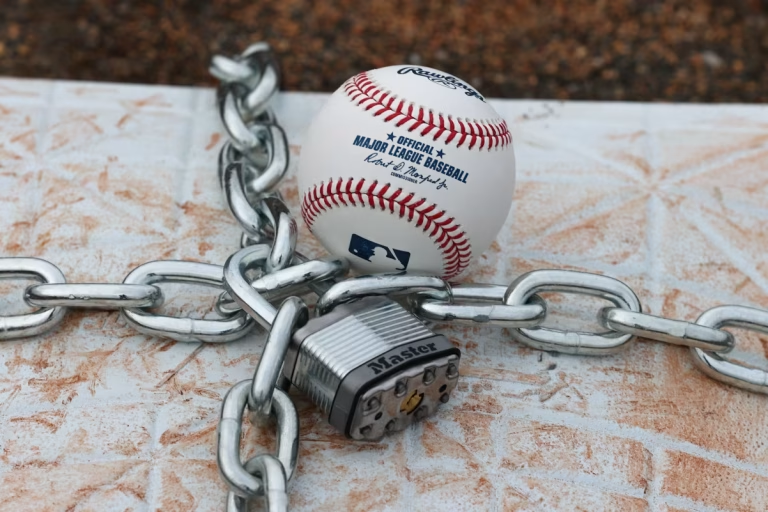
Money does not always guarantee success in Major League Baseball. Some franchises spend hundreds of millions chasing championships, while others build competitive rosters through smart investments. The 2026 season once again demonstrated how dramatically payroll efficiency can separate baseball’s 30 organizations. Bleacher Report’s Joel Reuter released his 2026 Moneyball rankings on November 5. The rankings examine which teams received the greatest production relative to their player salaries. Milwaukee claimed the top spot, while the New York Mets finished last. The formula uses Wins Above Replacement (WAR) to estimate player value. Each WAR represents approximately $8 million in market value. Reuter then subtracts each player’s salary and combines the results across the roster. Consequently, these rankings measure financial efficiency rather than simply rewarding teams with the most victories. Here are all 30 MLB teams, ranked from worst to first.
MLB Moneyball Rankings: 30 Through 21
30\. New York Mets — Minus $90.1 million. The Mets finished last despite several promising young players. Carson Benge delivered $33.6 million in positive value. However, Bo Bichette, Jorge Polanco, and Kodai Senga produced substantial negative returns. Expensive acquisitions ultimately overwhelmed the team’s affordable talent.
29\. Toronto Blue Jays — Minus $44.8 million. Toronto struggled to justify several expensive contracts. Vladimir Guerrero Jr. contributed negative $21.3 million in value. Meanwhile, Louis Varland provided $28 million in positive value through outstanding relief pitching.
28\. San Francisco Giants — Minus $29.2 million. San Francisco received encouraging contributions from Bryce Eldridge and Luis Arraez. However, Logan Webb and Jung Hoo Lee failed to deliver sufficient returns. The Giants must improve production from their expensive veterans.
27\. Philadelphia Phillies — $4.1 million. Philadelphia narrowly finished above zero despite strong starting pitching. Cristopher Sánchez contributed $55.8 million in positive value, while Jesús Luzardo added $41 million. Unfortunately, Trea Turner’s negative $28.1 million hurt the overall total.
26\. Colorado Rockies — $11.4 million. Colorado improved considerably after finishing last in 2025. TJ Rumfield led the organization with $27.2 million in positive value. However, Kris Bryant continued to represent a significant financial burden.
25\. Houston Astros — $17.4 million. Houston received strong contributions from Yordan Alvarez and Peter Lambert. Alvarez produced $28.4 million in positive value. Conversely, Jose Altuve’s negative $30 million significantly damaged Houston’s efficiency.
24\. Cincinnati Reds — $24.5 million. Elly De La Cruz led Cincinnati with $44 million in positive value. Chase Burns also delivered $36.8 million. However, disappointing returns from Brady Singer and several other players limited Cincinnati’s overall standing.
23\. Los Angeles Angels — $44.1 million. Zach Neto delivered $37.5 million in positive value. Reid Detmers and Walbert Ureña also helped the Angels. Unfortunately, Jorge Soler and Yusei Kikuchi produced disappointing financial returns.
22\. San Diego Padres — $45.6 million. Ty France became San Diego’s biggest bargain with $34 million in positive value. Mason Miller and Michael King also contributed. However, injuries to Joe Musgrove and Yu Darvish hurt the team’s efficiency.
21\. Athletics — $50.9 million. Nick Kurtz continued providing exceptional value. Zack Gelof and J.T. Ginn also helped the organization. Nevertheless, Jeffrey Springs and Luis Severino delivered negative returns that weakened the overall ranking. Bleacher Report
MLB Moneyball Rankings: 20 Through 11
20\. Seattle Mariners — $51.6 million. Cole Young led Seattle with $34.4 million in positive value. Randy Arozarena contributed another $30 million. However, Luis Castillo and Josh Naylor produced negative returns that hurt Seattle’s ranking.
19\. Texas Rangers — $52.6 million. Ezequiel Durán provided $32.2 million in positive value. Wyatt Langford and Jacob Latz also contributed impressive returns. Meanwhile, Jacob deGrom and Nathan Eovaldi struggled to justify their salaries.
18\. New York Yankees — $59.6 million. Cam Schlittler delivered $55.2 million in positive value. Ben Rice added $28.8 million during his breakout season. However, injuries and disappointing veteran performances significantly reduced New York’s financial efficiency.
17\. Baltimore Orioles — $61 million. Colton Cowser led Baltimore with $19.2 million in positive value. Gunnar Henderson also remained a valuable contributor. However, Ryan Helsley and Chris Bassitt produced disappointing returns.
16\. Kansas City Royals — $73.2 million. Bobby Witt Jr. remained Kansas City’s biggest bargain. His $40.6 million in positive value helped offset several disappointing contracts. Carter Jensen and Jac Caglianone also strengthened the organization’s young offensive core.
15\. Atlanta Braves — $81.6 million. Michael Harris II contributed $32.8 million in positive value. Drake Baldwin and Chris Sale also helped Atlanta. However, Ha-Seong Kim and Spencer Strider significantly hurt the team’s financial returns.
14\. Arizona Diamondbacks — $93.7 million. Gabriel Moreno delivered $51.1 million in positive value. Geraldo Perdomo and Corbin Carroll also contributed excellent returns. Unfortunately, Arizona received disappointing production from several expensive starting pitchers.
13\. Detroit Tigers — $112.5 million. Kevin McGonigle emerged as Detroit’s biggest bargain. He delivered $56 million in positive value. Dillon Dingler and Keider Montero also strengthened Detroit’s young foundation.
12\. Chicago Cubs — $115.5 million. Pete Crow-Armstrong dominated Chicago’s value rankings. His remarkable season produced $72.5 million in positive value, the highest individual total in baseball. However, Jameson Taillon and Edward Cabrera hurt the team’s overall ranking.
11\. Minnesota Twins — $124.6 million. Taj Bradley led Minnesota with $34.4 million in positive value. Kody Clemens and Brooks Lee also delivered strong returns. Meanwhile, Pablo López’s injury created a substantial financial setback. Bleacher Report +1
MLB Moneyball Rankings: The Top 10
10\. Los Angeles Dodgers — $148.8 million. Los Angeles demonstrated that expensive rosters can still generate positive value. Shohei Ohtani contributed $49.2 million, while Andy Pages added $47.2 million. However, Kyle Tucker’s negative $49.4 million represented baseball’s worst individual return.
9\. St. Louis Cardinals — $158.3 million. St. Louis benefited from an affordable young offensive core. JJ Wetherholt led the Cardinals with $35.2 million in positive value. Alec Burleson, Jordan Walker, Iván Herrera, and Masyn Winn also delivered strong returns.
8\. Washington Nationals — $165 million. Washington’s rebuilding efforts produced impressive financial efficiency. CJ Abrams contributed $36.6 million, while James Wood added $28.8 million. Cade Cavalli also provided excellent value during his breakout season.
7\. Pittsburgh Pirates — $181.4 million. Pittsburgh benefited from several affordable contributors. Brandon Lowe led the organization with $31.7 million in positive value. Braxton Ashcraft and Paul Skenes also helped Pittsburgh finish among baseball’s most efficient organizations.
6\. Boston Red Sox — $184.9 million. Boston received outstanding value from Wilyer Abreu and Ceddanne Rafaela. Abreu contributed $46.4 million, while Rafaela added $43.6 million. Caleb Durbin also strengthened Boston’s financial returns.
5\. Miami Marlins — $190.4 million. Miami demonstrated the financial benefits of developing affordable talent. Otto Lopez delivered $48 million in positive value. Xavier Edwards and Javier Sanoja also helped Miami secure a top five finish.
4\. Chicago White Sox — $192.7 million. Chicago’s young roster generated remarkable financial returns. Miguel Vargas contributed $42.4 million in positive value. Chase Meidroth and Sean Burke also delivered impressive production at affordable salaries.
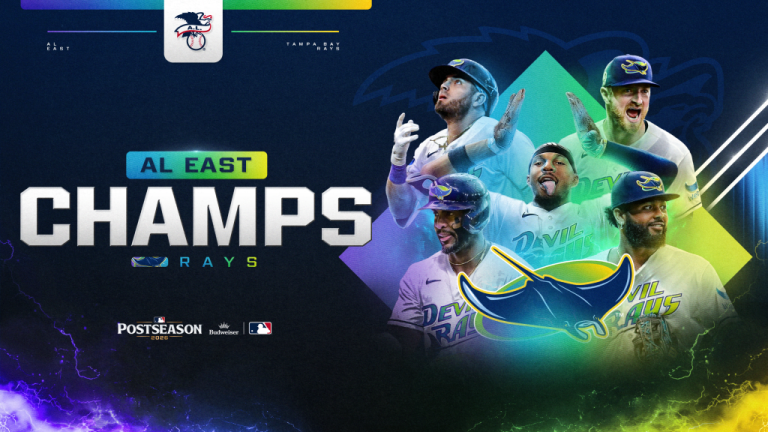
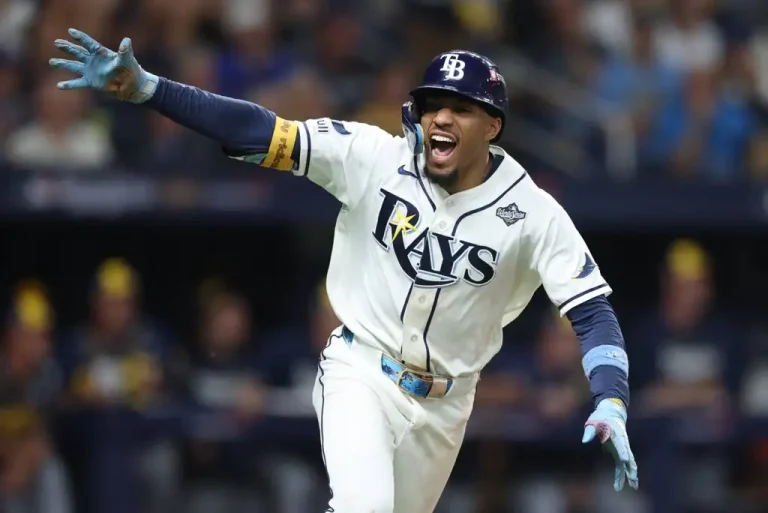
3\. Tampa Bay Rays — $237.6 million. Tampa Bay once again demonstrated its ability to maximize limited financial resources. Junior Caminero led the Rays with $44.8 million in positive value. Drew Rasmussen added $32.1 million, while Taylor Walls contributed $25.6 million. Those performances helped Tampa Bay reach the World Series.
2\. Cleveland Guardians — $258.9 million. Cleveland continued benefiting from its commitment to player development. Parker Messick delivered $49.6 million in positive value. Steven Kwan contributed $34.7 million, while Chase DeLauter added $27.2 million. Cleveland’s affordable roster produced exceptional financial returns.
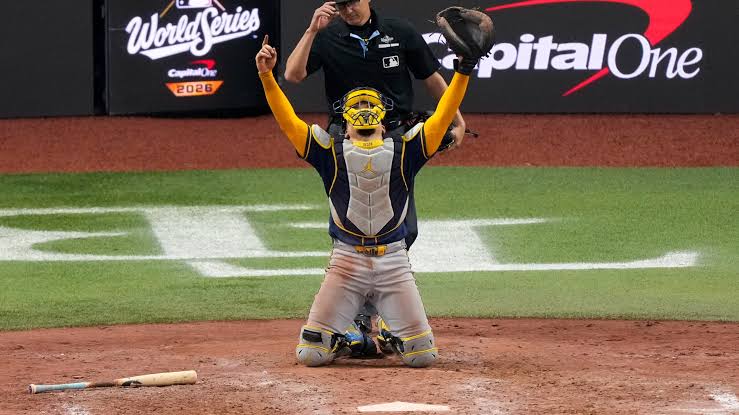
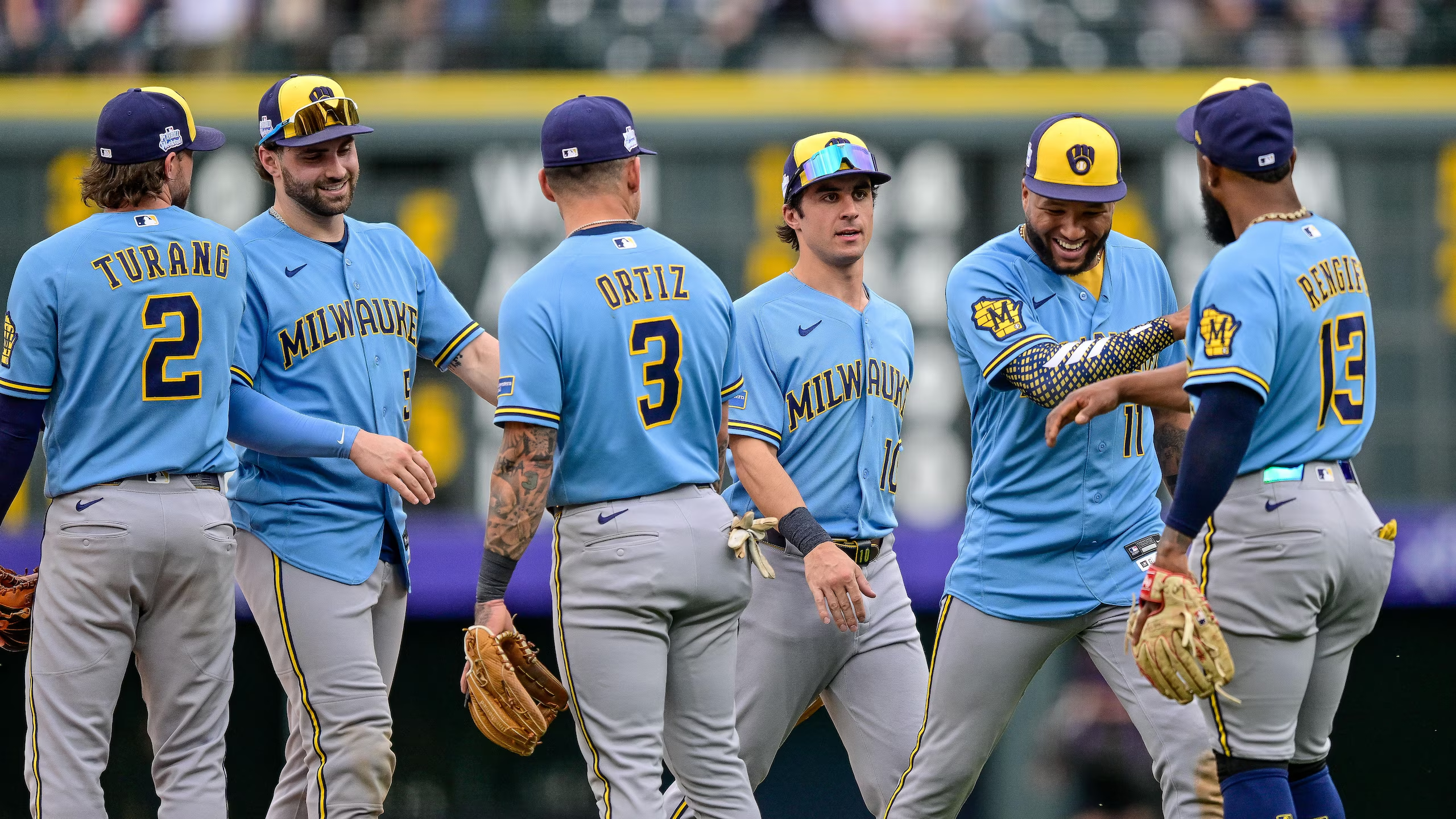
1\. Milwaukee Brewers — $275.3 million. Milwaukee claimed baseball’s top Moneyball ranking for the second consecutive season. Brice Turang led the Brewers with $54.2 million in positive value. Jacob Misiorowski followed with $51.2 million, while Jackson Chourio contributed $32.2 million. Milwaukee combined exceptional roster efficiency with its first World Series championship. Bleacher Report
What the 2026 Moneyball Rankings Reveal
The biggest takeaway involves the importance of developing affordable talent. Milwaukee, Cleveland, and Tampa Bay finished among baseball’s three most efficient organizations. Each franchise relied heavily on productive players who earned considerably less than their estimated market value. Meanwhile, the Mets, Blue Jays, and Giants finished at the bottom. Expensive contracts and disappointing performances prevented those organizations from maximizing their financial investments. However, payroll efficiency does not automatically guarantee championships. The Dodgers finished tenth despite fielding one of baseball’s most expensive rosters. Their position demonstrates how expensive contracts can coexist with substantial positive value. Additionally, individual performances can dramatically influence organizational rankings.
Pete Crow-Armstrong delivered baseball’s highest positive net value at $72.5 million. Conversely, Kyle Tucker finished last among individual players at negative $49.4 million. Milwaukee ultimately provided the strongest example of successful roster construction. The Brewers developed productive players, controlled spending, and achieved postseason success. Their World Series championship further strengthened an already impressive season. As teams prepare for 2027, these rankings offer an important lesson. Organizations must evaluate contracts alongside player development, injuries, and future financial commitments. Money can help teams acquire talent, but smart decisions determine how effectively organizations use those resources. Milwaukee proved that point throughout 2026.



Author Profile

-
Bradley Walker (VP) and Head of our Florida operations for NGSC Sports, bringing extensive experience across collegiate, professional, and amateur athletics. His coverage spans USF Athletics, including football, baseball, lacrosse, and softball, as well as University of Tampa baseball.
Bradley also provides coverage of minor league baseball with the Clearwater Threshers and Major League Baseball with the Tampa Bay Rays. On the national stage, he covers college football bowl games and conference championship matchups, along with premier golf events across the PGA Tour, LIV Golf, and LPGA Tour.
In addition to his reporting work, Bradley is the play-by-play announcer for Pinellas Park High School Patriots football, lending his voice and insight to Friday night lights.
He is also an active podcast host and contributor, serving as a host on The Walker Report, where he delivers in-depth sports analysis, interviews, and coverage across multiple levels of competition.
Latest entries
 NCAAFNovember 8, 2026 at 12:05 amOklahoma Stuns Florida 23-7 in The Swamp
 WWENovember 8, 2026 at 12:04 amWWE Crown Jewel 2026: New Champions, Shocking Cash-In, and Roman Reigns Triumphs
 NCAAFNovember 8, 2026 at 12:03 amSEC Eyes Luxury Tax on NIL Spending
 NFLNovember 8, 2026 at 12:02 amNFL 2026: What We Got Right and Wrong Through Week 8
About the Author