 0
 0
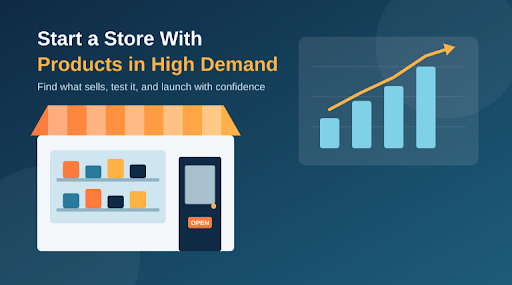
Most new store owners make the same mistake. They fall in love with a product idea, spend weeks building a website around it, and only then discover nobody is searching for it. Building a store around something people already want is a much safer way to begin. You don’t have to create demand. You just have to show up where it already exists.
This guide walks through the process step by step, from finding a niche to making your first sales.
Why Selling Proven Products Makes Sense
Starting an online store always involves risk, but you can lower it. When people are already buying a type of product, you know a few important things. Customers have a need. They are willing to pay. And there is a market large enough to support more than one seller.
Many beginners avoid crowded markets because they think competition is bad news. In reality, competition is often a sign that the market is healthy. An empty market might mean there’s an opportunity, but it could just as easily mean there’s no real demand.
The goal is not to copy what everyone else does. It’s to enter a market where buyers already exist, then find a way to serve them a little better, a little differently, or with a stronger brand.
Step 1: Start With a Niche, Not a Single Product
It’s tempting to pick one trending item and build everything around it. That can work for a quick win, but trends fade. A better approach is to choose a broader niche and then pick products inside it.
A niche is simply a focused category of customers and interests. Think pet owners, home fitness, camping gear, or sports accessories. Within a niche you can sell many related products, build repeat customers, and adapt when one item slows down.
When choosing a niche, ask yourself a few honest questions:
- Do I understand or care about this audience?
- Are people spending money here regularly, not just once?
- Can I sell products at a price that leaves a healthy profit?
- Are the items easy to ship and unlikely to be returned?
You don’t need to be an expert, but a little genuine interest makes the work much easier. Writing product descriptions and creating content for a topic you find boring gets tiring fast.
Step 2: Find Out What Is Actually Selling
This is where research pays off. Rather than guessing, look at real data. There are several ways to do it.
Marketplace bestseller lists. Amazon, Etsy, and eBay all show what is moving. Look at the best-seller rankings in your chosen category and note which items keep appearing.
Search trends. Google Trends shows whether interest in a topic is rising, steady, or fading. A product with a steady line is usually a safer bet than one with a sharp spike.
Social media. TikTok, Instagram, and YouTube are great places to spot items people are excited about. Pay attention to comments. When viewers ask where to buy something, that’s a strong signal.
Product research tools. Some platforms track store data and show which items are performing. For example, if you’re looking at the sports category, you can browse a list of products are already selling well to get a sense of what shoppers are buying right now before you commit to any inventory. Tools like this save time because they do the early digging for you.
Whichever method you use, try to confirm a product’s demand from at least two sources. One strong signal is interesting. Two or three together are convincing.
Step 3: Check the Competition
Once you have a handful of promising products, look at who else is selling them. Search for the item and see what comes up. Visit a few competitor stores and read their product pages.
Here are some things to notice:
- How are they pricing the product?
- What do their customer reviews praise or complain about?
- How good are their photos and descriptions?
- Do they offer fast shipping or a return policy?
Complaints in reviews are a goldmine. If buyers keep saying a product arrives late, breaks easily, or comes with poor instructions, you’ve found a gap you can fill. You might not be able to change the product itself, but you can improve the experience around it.
Step 4: Choose Your Sourcing Method
Once you know what to sell, you need to decide how you’ll get it to customers. There are three common options.
Dropshipping. You list products in your store, and a supplier ships them directly to the buyer. You never handle inventory, so the upfront cost is low. The downside is smaller margins and less control over shipping times and quality.
Wholesale or bulk buying. You buy stock from a distributor or manufacturer and keep it yourself. This takes more money to start, but your margins are usually better and you control the packing and delivery.
Print on demand. You design the product, and a partner prints and ships it when someone orders. This works well for apparel, mugs, and accessories.
If you’re new, dropshipping or print on demand is a gentle way to test the waters. Once you see what sells, you can move toward buying stock in bulk for your best performers.
Whatever you choose, order samples first. Check the quality yourself. A product that looks great online but arrives flimsy will cost you in refunds and bad reviews.
Step 5: Set Up Your Store
You don’t need to be a developer to launch a store. Platforms like Shopify, WooCommerce, and BigCommerce make it possible to get online in a weekend.
Keep the setup simple at first. A clean, fast store with a few well-presented products beats a cluttered one with hundreds of items. Focus on these essentials:
- Clear product photos. Show the item from several angles, and include photos of it in use.
- Honest descriptions. Explain what the product does, what it’s made of, and who it’s for. Skip the vague hype.
- Simple navigation. Shoppers should find what they want in two or three clicks.
- Visible policies. Shipping times, returns, and contact details build trust, especially for a brand-new store.
- Easy checkout. Offer popular payment options and keep the steps to a minimum.
Many first-time visitors leave a store simply because they don’t trust it yet. Reviews, a clear About page, and reliable contact information all help.
Step 6: Price for Profit
Pricing is more than adding a markup. You need to account for the product cost, shipping, payment processing fees, platform fees, advertising, and returns. Many beginners forget to include advertising and returns, then wonder why they aren’t making money.
A simple rule of thumb is to aim for a gross margin of at least 30 to 50 percent. That gives you room to spend on marketing and still keep something for yourself. Run the numbers for each product before you list it.
Avoid racing to the lowest price. Someone will always undercut you. It’s usually better to compete on service, quality, packaging, and brand story than on price alone.
Step 7: Bring in Your First Customers
A store with no traffic is just a nice-looking website. You need a plan for getting people through the door.
Start with free channels. Post short videos showing your products in action. Share helpful tips related to your niche. Join online communities where your audience hangs out, and be useful before you promote anything.
Try small paid tests. Run low-budget ads on Meta or TikTok to see which products get clicks and sales. Spend small amounts, learn quickly, and put more money behind what works.
Build an email list early. Offer a small discount for signing up. Email is one of the cheapest ways to bring buyers back, since you own the list and don’t pay for every visit.
Use search. Write clear product titles and descriptions that include the words shoppers actually type. Over time, good search visibility brings in steady traffic without ongoing ad costs.
Step 8: Watch the Numbers and Adjust
After launch, let the data guide you. Pay attention to which products get views, which get added to carts, and which actually sell. If a product gets plenty of traffic but few sales, the price, photos, or description may need work. If it sells well, consider adding related items or a bundle.
Remember that demand changes. A product that sells strongly this season may cool off next season, so keep researching regularly. Think of research as a habit, not a one-time task.
Common Mistakes to Avoid
- Chasing every trend. Jumping between products leaves you with a scattered store and no real brand.
- Skipping product testing. Selling something you’ve never held is asking for trouble.
- Ignoring customer service. Quick, friendly replies turn problems into loyal customers.
- Underestimating costs. Ads, fees, and returns add up quickly.
- Expecting overnight results. Most stores take months to find their footing.
Final Thoughts
Starting a store around products that people already want won’t guarantee success, but it removes a lot of guesswork. Pick a niche you can stay interested in, verify demand with real data, study the competition, and test before you scale. Keep your first store simple, treat every sale as feedback, and improve a little each week.



Author Profile

Latest entries
 HomeNovember 7, 2026 at 12:01 amHandyman Services for Tallahassee Rental Properties
 BusinessNovember 7, 2026 at 12:00 amHow to Start a Store Selling Products That Are Already in High Demand
 CasinoNovember 6, 2026 at 12:42 amJack Campbell: Hope After Hospital Scare, but No Comeback Date
 UFCNovember 5, 2026 at 12:03 amRashad Evans: From UFC Champion to Psychedelic Advocate
About the Author