Photo Credit: Southeastern Conference
 0
0
 0
0
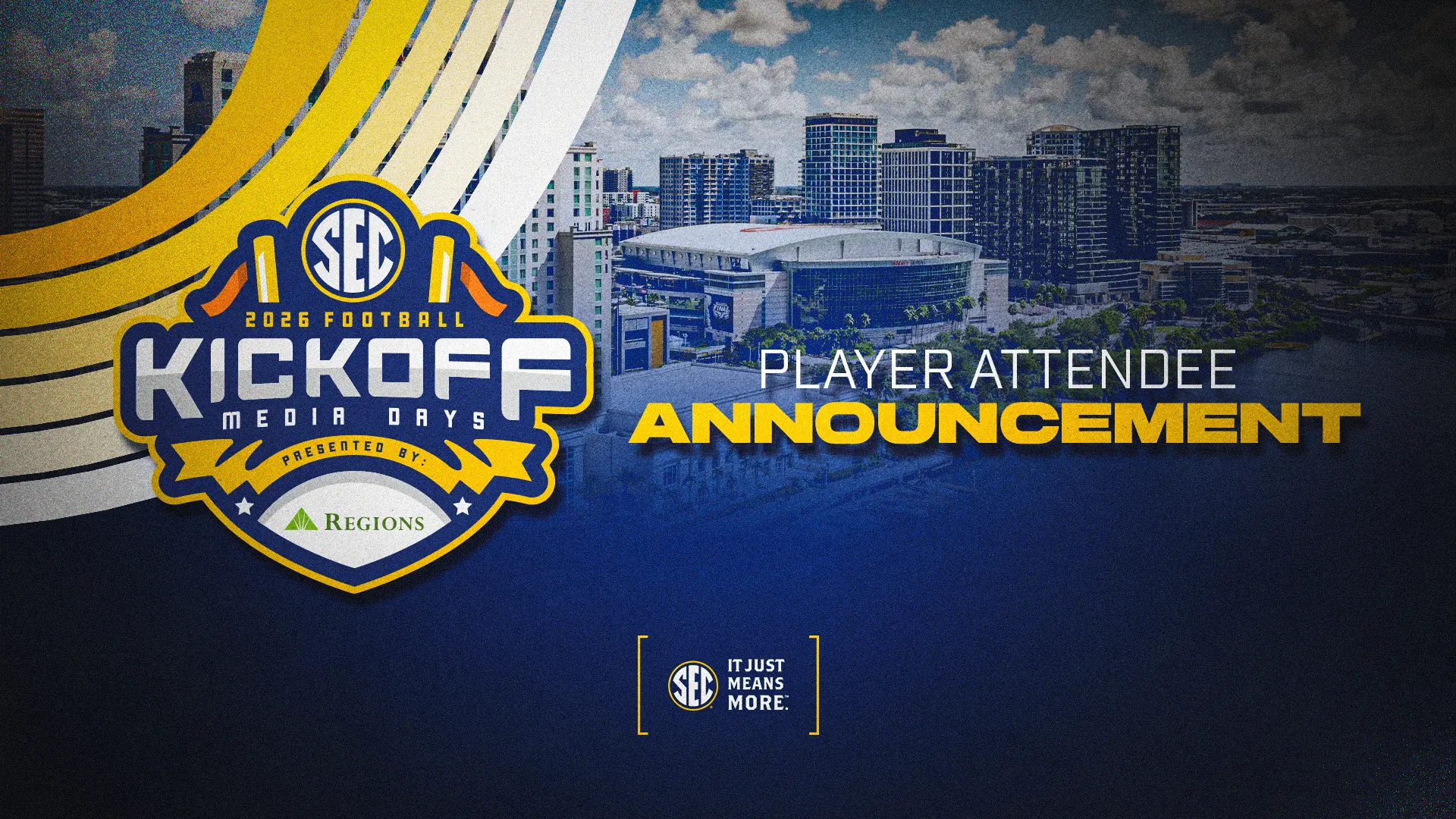
SEC commissioner Greg Sankey made one message clear during the opening day of SEC Media Days in Tampa, Florida. The conference wants Congress to improve the Protect College Sports Act before lawmakers approve it. Sankey also acknowledged that conference leaders have discussed breaking away from the current college sports structure. However, he stressed those conversations reflected genuine concerns instead of negotiation tactics. The Protect College Sports Act, led by Senators Ted Cruz of Texas and Maria Cantwell of Washington, aims to reshape college athletics. Even so, the SEC does not support the legislation in its current form. Sankey explained that conference officials continue to work closely with lawmakers in hopes of finding common ground before the bill reaches the finish line.
Earlier this year, University of Georgia president Jere Morehead suggested the SEC could eventually establish its own rules if Congress failed to address the conference’s concerns. Sankey confirmed those discussions have happened. Still, he said they stem from growing frustration with the current system rather than an attempt to pressure lawmakers. Sankey explained that conference members continue to value participation in a national governing structure. However, he believes that system must operate effectively. Otherwise, he warned that dissatisfaction throughout the SEC will continue to grow. He described those internal discussions as honest conversations about protecting the future of college athletics.
Instead of walking away, the SEC has focused on improving the legislation. Sankey revealed the conference submitted 10 recommendations that center on four major priorities. Those priorities include creating enforceable national standards, limiting conflicting state laws, increasing transparency and accountability, and establishing fair regulations while preserving voluntary decision-making. According to Sankey, those recommendations represent practical solutions instead of sweeping demands. He believes Congress can realistically include them before final approval. Nevertheless, he admitted negotiations often require compromise, and no side usually gets everything it requests.
Sankey said every recommendation deserves careful consideration. At the same time, he praised Senator Ted Cruz, Senator Maria Cantwell, and their staffs for maintaining productive discussions with SEC leaders. He also expressed appreciation for everyone participating in the legislative process. One issue continues to concern SEC officials more than others. The conference strongly opposes language allowing conferences to pool their media rights. Leaders also remain uncomfortable with sections discussing the potential creation of future super leagues.
The SEC does not stand alone in seeking revisions. The Big Ten Conference also wants changes before supporting the Protect College Sports Act. Although both conferences share several concerns, Sankey focused his remarks on ensuring the legislation creates long-term stability across college athletics. Sankey repeatedly emphasized the importance of getting the bill right the first time. He warned that Congress likely will not revisit the legislation shortly after passing it. Because of that reality, he believes lawmakers must address existing gaps before the bill becomes law.
“If Congress is going to act, we have one opportunity to get this legislation right,” Sankey said. He argued that future corrections may never happen, making today’s negotiations especially important for every conference and university. Beyond federal legislation, Sankey also addressed another major topic facing college football. The future of the College Football Playoff continues to dominate discussions among conference commissioners. Expansion remains under consideration, but important questions still lack answers.
Many leaders have discussed expanding the playoff to 24 teams. However, the SEC remains the only Power Four conference that has not publicly endorsed that format. Sankey explained that conference officials want to make the best decision instead of choosing the quickest solution. He also pointed to unresolved questions involving television interest and the overall structure of an expanded playoff. Those issues still require answers before conference leaders finalize any changes. Decision-makers face a Dec. 1 deadline to approve a new playoff format if they plan to expand the field.
Sankey said the SEC has maintained the same philosophy throughout those discussions. Rather than searching for the easiest route into the postseason, conference leaders want a format that benefits college football over the long term. He believes thoughtful planning matters more than rushing toward expansion. Throughout his remarks, Sankey consistently returned to one central theme. College athletics continues to face enormous change, and decisions made today will shape the sport for years. Whether discussing federal legislation or playoff expansion, he urged leaders to focus on lasting solutions instead of temporary fixes.
The SEC remains committed to working with Congress while protecting its member schools’ interests. At the same time, Sankey acknowledged that patience has limits if meaningful reforms never arrive. That balance explains why conversations about alternative futures continue behind closed doors. For now, the SEC has not threatened to leave the national structure. Instead, conference leaders hope lawmakers will strengthen the Protect College Sports Act and create consistent national standards. Until that happens, Sankey and the SEC plan to continue pushing for changes they believe will protect the future of college athletics.



Author Profile

-
Bradley Walker (VP) and Head of our Florida operations for NGSC Sports, bringing extensive experience across collegiate, professional, and amateur athletics. His coverage spans USF Athletics, including football, baseball, lacrosse, and softball, as well as University of Tampa baseball.
Bradley also provides coverage of minor league baseball with the Clearwater Threshers and Major League Baseball with the Tampa Bay Rays. On the national stage, he covers college football bowl games and conference championship matchups, along with premier golf events across the PGA Tour, LIV Golf, and LPGA Tour.
In addition to his reporting work, Bradley is the play-by-play announcer for Pinellas Park High School Patriots football, lending his voice and insight to Friday night lights.
He is also an active podcast host and contributor, serving as a host on The Walker Report, where he delivers in-depth sports analysis, interviews, and coverage across multiple levels of competition.
Latest entries
 HockeySeptember 21, 2026Hellebuyck Trade Standoff Rocks Jets
 FootballSeptember 21, 2026Browns Rally Past Bucs in Rain-Delayed Thriller
 FootballSeptember 21, 2026Patriots’ Defense Dominates Steelers in 20-3 Win
 AAC FootballSeptember 20, 2026USF Rolls Past Delaware State 59-17
About the Author