
 0
0
 0
0
Seasonal infestations are one of the most common challenges homeowners face throughout the year. Changes in temperature, humidity, and weather conditions often force insects and rodents to search for food, water, and shelter indoors. What begins as minor activity around entry points can quickly turn into a larger household issue when preventive steps are ignored.
Many people focus only on removing visible pests instead of understanding why infestations continue returning during certain seasons. Temporary solutions may reduce activity briefly, but they rarely address the environmental conditions attracting pests in the first place. Long-term prevention requires consistent attention before seasonal changes create favorable conditions indoors.
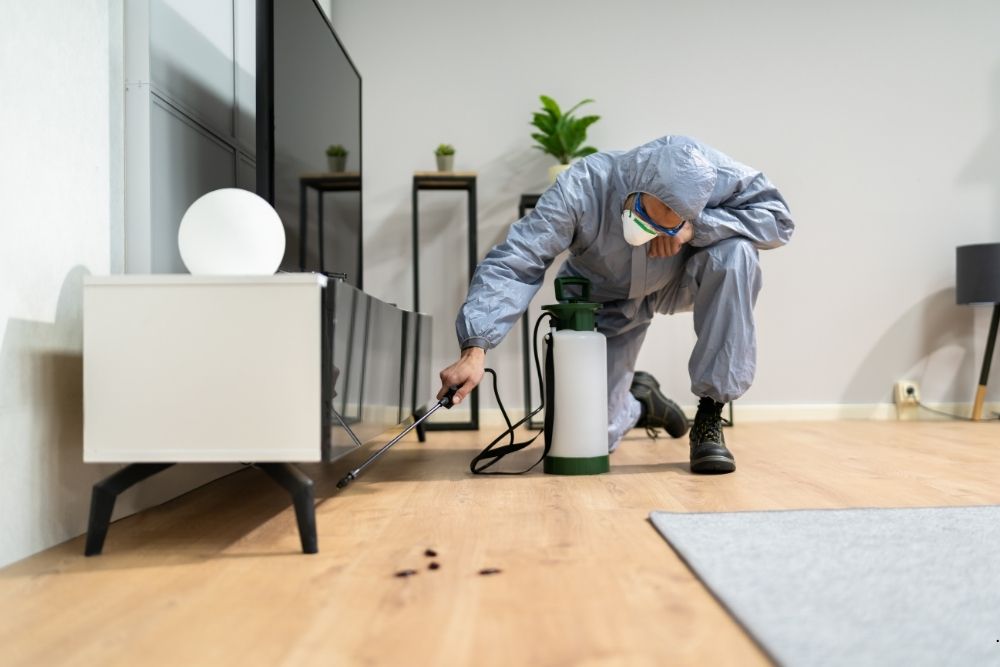
Homeowners who work with professionals such as Agile Pest Control often benefit from a more organized strategy designed around prevention rather than emergency treatment. Seasonal planning helps identify vulnerabilities early and reduces the likelihood of repeated infestations throughout the year. Small preventive actions taken consistently can make a significant difference in household protection.
Why Seasonal Changes Increase Pest Activity
Different pests become active during different times of the year depending on weather conditions and breeding cycles. Warmer temperatures during spring and summer encourage ants, mosquitoes, termites, and other insects to expand their activity outdoors and around residential properties. Increased moisture and food availability often accelerate this process.
During colder months, rodents and other pests search for warm indoor shelter where food and water are easier to access. Homes naturally provide these conditions through kitchens, basements, attics, and storage areas. Even small entry points around doors or utility lines may allow pests to enter unnoticed.
Rainfall and humidity changes also influence infestation patterns. Damp environments attract insects that thrive in moist conditions while weakening structural materials over time. Understanding how weather affects pest behavior allows homeowners to prepare before activity increases seasonally.
Spring Maintenance That Reduces Future Problems
Spring is one of the most important seasons for preventive home maintenance because many pests begin breeding during this time. Exterior inspections should focus on identifying cracks, damaged screens, and foundation gaps that may allow insects to enter as temperatures rise.
Cleaning gutters and improving drainage are also important spring tasks. Standing water around foundations creates ideal conditions for mosquitoes and other moisture-dependent pests. Removing debris and ensuring water flows away from the property reduces these risks significantly.
Agile Pest Control often recommends early spring inspections because infestations are generally easier to manage before populations expand during warmer months. Addressing vulnerabilities early helps homeowners avoid larger seasonal problems later in the year.
Summer Habits That Help Prevent Infestations
Summer creates ideal conditions for increased insect activity due to higher temperatures and outdoor gatherings. Food crumbs, uncovered trash bins, and standing water around patios or yards can quickly attract ants, flies, and other insects near the home. Consistent sanitation becomes especially important during this season.
Outdoor maintenance also plays a major role in summer prevention. Overgrown vegetation, stacked firewood, and clutter near exterior walls create shelter where pests can remain hidden before moving indoors. Trimming shrubs and clearing debris reduces these hiding opportunities.
Indoor monitoring should continue throughout the season as well. Kitchens, laundry rooms, and bathrooms often experience increased moisture during summer months, making them vulnerable to hidden activity. Early attention to leaks and humidity control helps maintain a less attractive environment.
Fall Preparation Before Cold Weather Arrives
As temperatures begin dropping, many pests search for indoor warmth and protection. Fall is therefore one of the most important times to seal entry points around the home. Cracks near windows, vents, doors, and utility openings should be inspected carefully before colder weather arrives.
Storage organization is another important fall prevention step. Rodents often seek shelter in garages, attics, and basements filled with boxes or unused materials. Reducing clutter and storing items in sealed containers improves visibility while limiting nesting opportunities.
Homeowners who delay fall preparation often experience increased rodent activity during winter months. Taking preventive action before seasonal transitions occur usually produces stronger long-term results than responding after infestations develop indoors.
Winter Conditions That Encourage Indoor Activity
Winter does not eliminate pest activity entirely because many species continue searching for warmth inside homes. Rodents, cockroaches, and certain insects remain active in kitchens, wall voids, and heated storage areas throughout colder months. Reduced outdoor food availability often increases this indoor movement.
Food storage habits become especially important during winter. Unsealed pantry items, pet food left overnight, and overflowing trash bins provide reliable food sources when pests are already seeking shelter indoors. Consistent cleanliness helps reduce attraction factors significantly.
Agile Pest Control frequently encourages winter inspections because hidden activity often becomes more concentrated indoors during colder weather. Identifying small infestations early prevents populations from growing unnoticed until spring arrives.
Why Long-Term Prevention Works Better Than Short-Term Treatments
Many homeowners rely on sprays or traps only after visible activity becomes severe. While these treatments may reduce immediate pest presence temporarily, they rarely address the underlying conditions contributing to recurring infestations. Entry points, moisture issues, and food sources often remain unchanged.
Preventive strategies focus on making the property less attractive to pests year-round. Routine inspections, maintenance, sanitation, and environmental adjustments create conditions that discourage infestation growth before problems escalate. This approach generally produces more stable and lasting results.
Consistent prevention also reduces stress and unexpected repair costs associated with severe infestations. Small maintenance efforts performed regularly often eliminate the need for larger interventions later. Long-term planning supports both household comfort and financial stability.
Building a Year-Round Protection Routine
Effective household protection requires ongoing awareness instead of occasional reactionary treatment. Seasonal inspections, proper sanitation, moisture control, and outdoor maintenance all contribute to stronger long-term pest control results. Each season presents different challenges that require proactive attention.
Families who develop regular prevention routines are more likely to identify warning signs before infestations become widespread. Staying consistent with inspections and maintenance creates a cleaner, safer, and more comfortable living environment throughout the year.
With support from professionals like Agile Pest Control, homeowners can strengthen their approach to pest control while reducing the likelihood of recurring seasonal infestations. Preventive planning helps protect both the home and the people living inside it through every season of the year.



Author Profile

Latest entries
 HomeSeptember 3, 2026Why Kitchen Cabinet Tops Become Greasy Even When Nobody Touches Them
 healthSeptember 2, 20267 Things to Check Before Starting Your Own Skincare Line
 Horse RacingSeptember 2, 2026Expert Horse Racing Picks: A Beginner’s Guide
 HomeSeptember 1, 2026What Does a Proper Kitchen Degreasing Routine Include?
About the Author