
Photo Credit: tigerrag.com
 0
0
 0
0
College athletes just watched Congress take a major step into the NIL era. The Senate passed the Protect College Sports Act 77-22 on Monday. Now, the legislation heads toward an uncertain future in the House. That matters because the bill could reshape how athletes earn money. It could also change transfer rules and NCAA enforcement. The legislation would create a national framework for college athletics. That framework would replace the current patchwork of state NIL laws. For athletes, the biggest question centers on control and compensation. The bill attempts to establish federal NIL rights while adding new restrictions.
NIL Takes Center Stage
NIL remains the heart of the college sports debate. The bill would establish a federal right for athletes to earn NIL compensation. It would also create national standards for NIL agreements. That could give athletes more consistency from state to state. Right now, NIL rules can differ depending on where athletes attend school. The legislation would create one federal standard instead. The bill also requires specific information in NIL contracts. Athletes would know their obligations and compensation under those agreements. Additionally, the legislation targets questionable NIL arrangements. Schools and associated entities would face additional requirements. Those provisions could affect collectives across college football and basketball. They could also change how schools structure recruiting and retention efforts.
Revenue Sharing Remains a Major Issue
The NCAA’s revenue-sharing era has already changed college athletics. The Senate bill would codify the current system while establishing additional rules. Schools could continue sharing revenue directly with their athletes. The legislation also creates a $22.5 million retention fund for schools. That amount could increase to $27.5 million under certain conditions. That money could become another tool for keeping athletes from entering the transfer portal. However, the bill also addresses the revenue-sharing cap. The current Senate version would eventually eliminate that cap under specified conditions. That provision could become one of the most important parts for athletes. It could influence how much schools can distribute in future years. Meanwhile, athletes would gain additional protections involving scholarships and healthcare. The bill also creates health, wellness, and safety standards for student-athletes. It includes academic protections and transfer protections as well.
The Transfer Portal Could Change
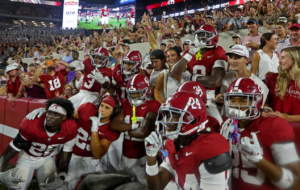
The transfer portal transformed college recruiting. Players now have more freedom to change schools than they did before NIL. However, the Senate bill would establish federal rules governing transfers and eligibility. The legislation also targets tampering and improper recruiting. For athletes, those rules could affect when and how they move between programs. Coaches could face restrictions too. The bill includes rules involving certain midseason coaching changes. That provision could prevent situations where athletes suddenly lose their coach during a season. Ultimately, the legislation attempts to create more stability around the transfer portal.
Athletes Would Get More Protections
The bill goes beyond NIL and revenue sharing. It would create an Office of the Student Athlete Ombudsman. That office would provide another avenue for athlete concerns. The legislation also addresses sports agents and NIL representation. It would establish additional requirements designed to protect athletes from predatory practices. Student-athletes would also gain representation within certain governing structures. That could give athletes a stronger voice in college sports policy. The legislation also includes protections for women’s and Olympic sports. Supporters say those provisions would help prevent schools from sacrificing those programs during the revenue-sharing era. That issue matters as athletic departments face increasing financial pressure.
The NCAA Would Gain More Authority
The bill would also strengthen the NCAA’s role. The NCAA would oversee school compliance with the new federal framework. That creates an important tension for athletes. The NCAA has faced years of criticism over its treatment of college athletes. Now, the legislation could give the organization additional enforcement authority. Supporters argue that national rules would create stability. Critics argue that athletes need stronger protections and more control. Some opponents also object to limits on athletes’ legal rights and compensation. The bill does not classify college athletes as employees. Instead, it includes provisions addressing the employee-status question. That debate will likely continue regardless of what happens in the House.
Now the House Gets the Ball
The Senate vote represents significant momentum for the legislation. Still, the Protect College Sports Act remains unfinished. The House has not approved the Senate’s version. Representatives could seek changes before considering the bill. That could force another round of negotiations between the House and Senate. The timing also creates another challenge. Congress faces the November midterm elections, while lawmakers have limited time remaining this year. The House could therefore determine whether the bill moves quickly or stalls. For college athletes, the stakes remain significant. Their NIL rights, transfer options, revenue-sharing opportunities, scholarships, and healthcare protections could all feel the impact. The Senate has now taken its shot. The House gets the next possession. For athletes navigating the NIL and transfer portal era, what happens next could shape college sports for years.
In my opinion this needs to be passed to save college sports.



Author Profile

-
Bradley Walker (VP) and Head of our Florida operations for NGSC Sports, bringing extensive experience across collegiate, professional, and amateur athletics. His coverage spans USF Athletics, including football, baseball, lacrosse, and softball, as well as University of Tampa baseball.
Bradley also provides coverage of minor league baseball with the Clearwater Threshers and Major League Baseball with the Tampa Bay Rays. On the national stage, he covers college football bowl games and conference championship matchups, along with premier golf events across the PGA Tour, LIV Golf, and LPGA Tour.
In addition to his reporting work, Bradley is the play-by-play announcer for Pinellas Park High School Patriots football, lending his voice and insight to Friday night lights.
He is also an active podcast host and contributor, serving as a host on The Walker Report, where he delivers in-depth sports analysis, interviews, and coverage across multiple levels of competition.
Latest entries
 SportsSeptember 30, 2026Protect College Sports Act Clears Senate, House Awaits
 FootballSeptember 29, 2026554 Yards: The NFL Record Nobody Has Broken
 FootballSeptember 29, 2026Vikings Hold Off Buccaneers 23-16
 FootballSeptember 29, 2026Jaguars Dominate Patriots in Week 3
About the Author