
 0
0
 0
0
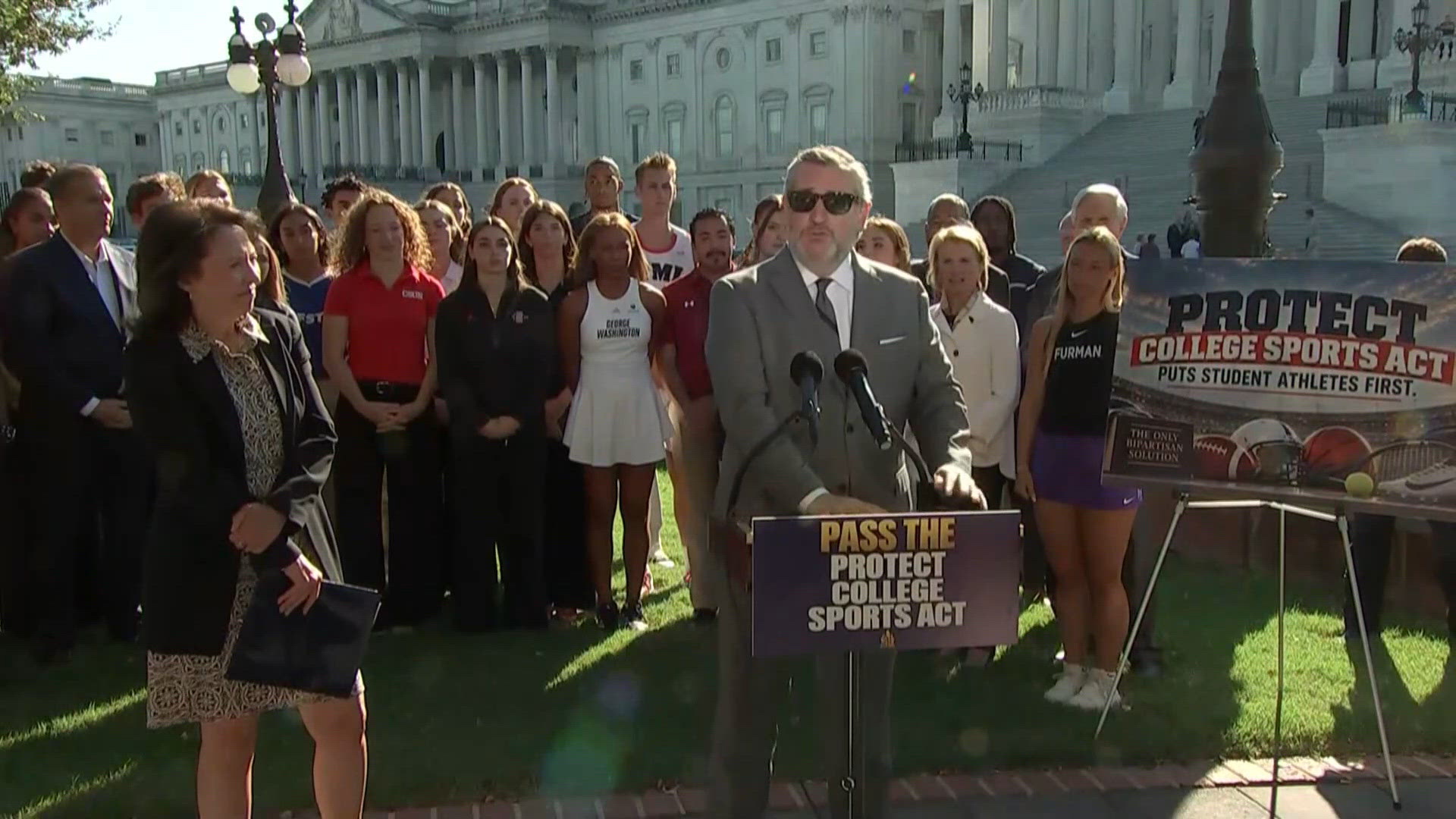
The Protect College Sports Act cleared its biggest hurdle yet on Tuesday. However, the legislation still faces several challenges before becoming law. The Senate voted 74-24 to invoke cloture on the motion to proceed. That vote ended the threat of a filibuster and moved the bill toward Senate consideration. The legislation still needs additional Senate votes before it can reach the House. Senators Maria Cantwell, D-Wash., and Ted Cruz, R-Texas, lead the bipartisan effort. They introduced the legislation earlier this year. The Senate Commerce Committee previously advanced the bill by a 19-9 vote. Tuesday’s vote marked a major step for a bill that once appeared close to collapse. Supporters now have a path toward a final Senate vote. However, several issues could still complicate that process.
What the Bill Would Change
The Protect College Sports Act would create national rules for college athletics. Those rules would cover NIL deals, athlete compensation, transfers and eligibility. The legislation would establish a federal right for athletes to earn NIL compensation. It would also replace the current patchwork of state NIL laws with national standards. The bill also addresses direct revenue sharing between schools and athletes. The latest legislation incorporates the revenue-sharing framework from the House settlement. It also creates a retention fund for additional athlete payments. The fund could provide millions of dollars beyond the standard revenue-sharing structure. Additionally, the bill would limit athletes to one free transfer. Athletes would face a season of ineligibility after another transfer under the proposed system. The legislation would also establish a five-year eligibility limit. Professional athletes would not qualify for college competition under the bill.
Conference Realignment Creates Another Problem
Conference realignment could become one of the bill’s biggest obstacles. Section 205 would restrict how major conferences acquire schools and media rights. The current language also creates limits involving conference membership and movement. That provision has raised concerns among several schools. Florida State and Miami represent two prominent programs that could face restrictions on future conference movement. The legislation could limit major conferences to 19 members under certain circumstances. It also creates a five-year period outside a major conference for some schools seeking another move. That language has already created tension among senators. Florida Republican Sens. Ashley Moody and Rick Scott voted against Tuesday’s procedural motion. Alabama Republican Tommy Tuberville and Kentucky Republican Rand Paul also voted against it. South Carolina Republican Sens. Tim Scott and Lindsey Graham also raised concerns during the process. Negotiations over Section 205 could continue as senators consider amendments.
Athlete Groups Remain Concerned
Support for the bill does not cross every part of the college sports landscape. Critics argue the legislation gives the NCAA and other governing bodies too much authority. They also question restrictions on transfers and athlete compensation. Sen. Chris Murphy, D-Conn., has criticized the legislation’s approach toward athletes. Other Democratic senators have raised similar concerns. Sen. Cory Booker, D-N.J., also opposed the bill. Booker previously played football at Stanford and has argued that athletes need stronger protections. The NAACP has also opposed the legislation. Several Senate Democrats, including Booker, voted against Tuesday’s procedural motion. Meanwhile, supporters argue the bill would create stability for athletes and schools. They also believe national standards could reduce the legal uncertainty surrounding college athletics.
The House Remains a Major Question
Even if the Senate approves the bill, the legislation still faces another major test. The House would need to pass the Senate legislation before President Donald Trump could sign it. The House has struggled to advance comprehensive college sports legislation in the past. That creates another major obstacle for Cantwell, Cruz and the bill’s other supporters. The timing also matters because Congress faces the November midterm elections. The House has scheduled a lengthy break around the election period. Supporters therefore face pressure to move quickly. Cruz has expressed confidence that the House could act if the Senate passes the legislation. However, House action remains uncertain.
A Major Moment for College Sports
The 74-24 vote clearly demonstrated significant bipartisan Senate support. Twenty-four Democrats joined most Republicans in advancing the legislation. Still, Tuesday’s vote did not pass the Protect College Sports Act. It only cleared a procedural hurdle that allows the Senate to continue considering it. That distinction matters. The Senate still needs additional procedural votes and a final vote. The House must then consider the legislation if the Senate approves it. Meanwhile, lawmakers could still change important provisions before a final vote. The Protect College Sports Act has survived another major test. Now, its supporters must navigate the harder part of the process. College athletics has spent years operating through lawsuits, NCAA rules and state legislation. This bill attempts to create a national framework. Whether Congress can finish that job remains an open question.
I hope in the end gets passed overall to protect college athletes.



Author Profile

-
Bradley Walker (VP) and Head of our Florida operations for NGSC Sports, bringing extensive experience across collegiate, professional, and amateur athletics. His coverage spans USF Athletics, including football, baseball, lacrosse, and softball, as well as University of Tampa baseball.
Bradley also provides coverage of minor league baseball with the Clearwater Threshers and Major League Baseball with the Tampa Bay Rays. On the national stage, he covers college football bowl games and conference championship matchups, along with premier golf events across the PGA Tour, LIV Golf, and LPGA Tour.
In addition to his reporting work, Bradley is the play-by-play announcer for Pinellas Park High School Patriots football, lending his voice and insight to Friday night lights.
He is also an active podcast host and contributor, serving as a host on The Walker Report, where he delivers in-depth sports analysis, interviews, and coverage across multiple levels of competition.
Latest entries
 FootballOctober 9, 2026New Coaches, Rough Starts
 FootballOctober 9, 2026NFL Reality Check: Steelers Drama, Dallas Doubts and Hot Seats
 FootballOctober 9, 2026Pinellas Football Hits Week 8
 HockeyOctober 9, 2026Why American NHL Stars Are Looking South
About the Author