Photo Credit: ESPN
 0
 0
The Los Angeles Lakers have built their reputation on championships, legendary players, and unforgettable moments. However, their latest drama has nothing to do with basketball. Instead, a massive ownership sale has created another bitter chapter in the Buss family’s history. The franchise now faces a complicated legal dispute involving billions of dollars, family disagreements, and control of the organization. Meanwhile, two prominent businessmen want to begin a new era for one of basketball’s most recognizable franchises. What initially looked like another historic sports transaction has turned into an expensive family fight. The biggest question now concerns whether the Buss family can resolve its differences without creating additional problems.
New Ownership Brings a Record Price
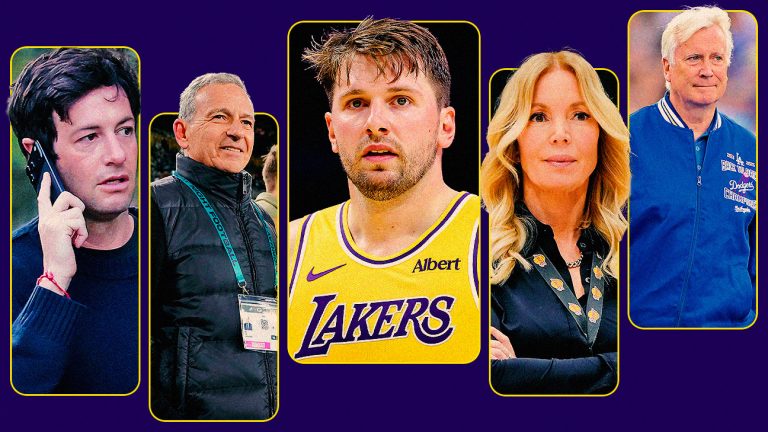
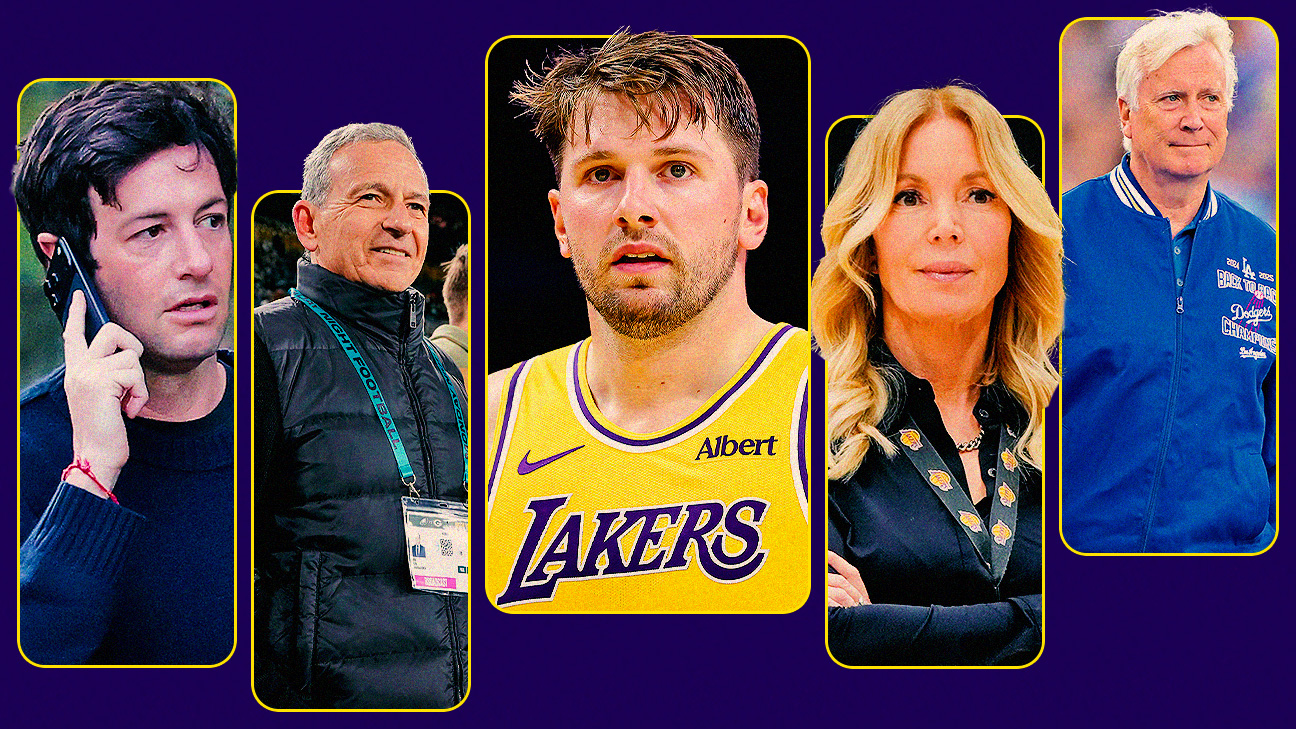
In August 2026, Joshua Kushner and Bob Iger reached an agreement to purchase majority ownership of the Lakers. The agreement valued the franchise at an astonishing $12.5 billion. Kushner, a venture capitalist, and Iger, Disney’s former chief executive, would take control from billionaire Mark Walter. Walter purchased majority ownership from the Buss family in 2025 at a $10 billion valuation. Consequently, the franchise’s valuation increased by $2.5 billion in approximately 14 months. The new transaction would establish another record for a professional sports franchise sale. However, the NBA’s Board of Governors still must approve the ownership change. Kushner also owns a minority interest in the Miami Heat, which he must sell before completing the transaction. Both prospective owners have expressed their commitment to maintaining the Lakers’ championship tradition. Nevertheless, their biggest challenge might involve navigating the family’s ongoing disagreements before completing the purchase.
The Buss Family’s Billion-Dollar Problem
Jerry Buss purchased the Lakers in 1979 as part of a $67.5 million transaction. That purchase also included the Forum, Los Angeles Kings, and additional real estate. Under his leadership, the Lakers became one of the NBA’s most successful organizations. The franchise won 10 championships during his ownership, creating a basketball dynasty. Following his death in 2013, his six children inherited ownership interests through the family trust. However, disagreements over leadership and organizational control eventually created significant divisions. Jeanie Buss assumed control of basketball’s most recognizable franchise following her father’s death. Meanwhile, her siblings maintained financial interests and certain voting rights within the family trust. Those competing interests now sit at the center of a potentially expensive legal battle.
Why Jeanie Buss Is Fighting the Sale
The latest controversy involves the family’s remaining 17.82% ownership stake. Five of the six Buss siblings supported selling that remaining interest alongside Walter’s shares. Jeanie Buss opposed the decision because it threatened her position as the Lakers’ controlling governor. Under NBA ownership requirements, a minority owner generally needs at least 15% ownership to serve as governor. Selling the family’s remaining shares would eliminate the ownership percentage supporting Jeanie’s position. Her siblings believe the trust allows a majority vote to authorize the transaction. However, Jeanie argues that previous legal protections prevent them from taking that action without her approval. The dispute centers partly on a 2017 court order involving the family’s ownership structure. That order instructed trustees to take reasonable steps supporting Jeanie’s continued appointment as governor. Consequently, both sides disagree about whether those protections prevent the proposed sale. The disagreement has now moved beyond family conversations and into the courtroom.
The Latest Court Battle Makes Everything Worse
On October 16, attorneys representing Janie and Joey Buss challenged Jeanie’s attempt to block the transaction. They asked a Los Angeles Superior Court judge to dismiss her petition. Their argument centers on the family’s August vote to terminate the trust. According to their filing, five siblings supported the decision, satisfying the trust’s majority requirement. Furthermore, they argue that the 2017 court order never prohibited terminating the trust or selling its shares. Jeanie’s position differs significantly. She maintains that the trustees must preserve her ability to serve as the Lakers’ controlling governor.
The opposing sides now want the courts to determine which interpretation carries legal authority. A hearing currently stands on the calendar for December 8. Meanwhile, the disputed ownership stake carries an estimated value of approximately $2.2 billion. That amount creates enormous financial incentives for the family members seeking an exit. However, the legal disagreement could complicate the timing and structure of the transaction. The courtroom battle also threatens to extend the family’s internal disagreements into another year.
Old Family Disagreements Return
Unfortunately, this controversy did not begin with the latest ownership announcement. The Buss family has experienced years of disagreements involving leadership, basketball decisions, and organizational responsibilities. In 2017, Jeanie faced a leadership challenge involving her brothers Jim and Johnny Buss. That dispute eventually produced the court order now central to the ownership disagreement. More recently, the organization parted ways with Joey and Jesse Buss following Walter’s purchase. Those departures added another chapter to the family’s complicated relationship.
The latest sale creates an opportunity for family members to collect substantial financial returns. However, it also threatens to end the Buss family’s direct influence over the franchise. For Jeanie, the disagreement involves more than another lucrative business transaction. Her father’s legacy, her leadership position, and the family’s basketball identity remain important considerations. Meanwhile, her siblings have legitimate financial interests in determining when to sell their ownership shares. Those competing priorities help explain why this transaction has become so contentious.
Mark Walter’s Exit Adds Another Complication
Walter’s decision to sell so quickly also raises questions about the franchise’s ownership stability. His original purchase promised financial resources and operational changes for the Lakers. However, federal investigators have examined financial transactions involving insurance businesses connected to Walter. Reports have described scrutiny involving loans and related-party transactions. Those investigations concern his broader business interests, rather than allegations against the Lakers organization itself. Walter’s decision to sell followed reporting about the federal investigation. Nevertheless, the investigation alone does not establish criminal wrongdoing. His departure creates another major leadership transition shortly after the previous ownership change. Meanwhile, Kushner and Iger must prepare to assume control amid unresolved legal disagreements. The situation hardly resembles the smooth transition Lakers supporters might have expected.
What Happens to the Lakers Next?
The ownership controversy raises important questions about the organization’s immediate and long-term direction. Kushner and Iger bring significant financial experience and connections to major business organizations. Those resources could strengthen the Lakers’ commercial operations and long-term competitiveness. However, ownership stability remains important for any professional sports franchise. Players, coaches, and executives need a clear organizational structure when making important decisions. Jeanie originally had assurances that she would remain governor for at least five years following Walter’s purchase.
The new ownership group initially indicated that her role would continue. However, the proposed sale of the family’s remaining shares creates uncertainty surrounding those arrangements. A negotiated compromise could potentially preserve her leadership while allowing other family members to exit. Otherwise, the courts might determine how the ownership dispute proceeds. The NBA must also review and approve the new majority ownership transaction. Until those issues reach a resolution, questions surrounding the franchise’s leadership will remain.
Final Thoughts: A Dynasty Deserves Better
The Los Angeles Lakers represent much more than another professional basketball organization. Their history includes Magic Johnson, Kareem Abdul-Jabbar, Kobe Bryant, Shaquille O’Neal, and countless unforgettable moments. Jerry Buss helped transform the franchise into an international sports powerhouse. However, the family’s internal disagreements now threaten to overshadow that remarkable legacy. The financial numbers make this situation particularly extraordinary. A franchise worth $12.5 billion should represent one of professional sports’ greatest business success stories. Instead, the ownership transition has become another example of family conflict surrounding an enormous inheritance. Jeanie wants to protect her leadership position, while her siblings want to exercise their financial rights.
Both sides have substantial interests, but their disagreement now threatens a lengthy courtroom confrontation. Ultimately, the Lakers need clarity, stability, and an ownership group focused on winning championships. The Buss family must decide whether preserving control matters more than completing its financial exit. Meanwhile, Kushner and Iger must wait for the legal and regulatory processes to unfold. For Lakers fans, the situation creates another unnecessary distraction from the basketball court. The organization has enough pressure trying to win another NBA championship. It certainly does not need a multibillion-dollar family feud dominating the headlines. The Lakers deserve a smooth transition into their next chapter. Unfortunately, the Buss family has made that anything but simple.



Author Profile

-
Bradley Walker (VP) and Head of our Florida operations for NGSC Sports, bringing extensive experience across collegiate, professional, and amateur athletics. His coverage spans USF Athletics, including football, baseball, lacrosse, and softball, as well as University of Tampa baseball.
Bradley also provides coverage of minor league baseball with the Clearwater Threshers and Major League Baseball with the Tampa Bay Rays. On the national stage, he covers college football bowl games and conference championship matchups, along with premier golf events across the PGA Tour, LIV Golf, and LPGA Tour.
In addition to his reporting work, Bradley is the play-by-play announcer for Pinellas Park High School Patriots football, lending his voice and insight to Friday night lights.
He is also an active podcast host and contributor, serving as a host on The Walker Report, where he delivers in-depth sports analysis, interviews, and coverage across multiple levels of competition.
Latest entries
 NBAOctober 29, 2026 at 12:20 amLakers Sale Turns Into a $12.5 Billion Family Feud
 NFLOctober 29, 2026 at 12:19 amNFL Trade Deadline 2026: Ranking the Top 15 Trade Assets
 NCAAFOctober 29, 2026 at 12:19 amCollege Football QB Grades: Who’s Elite After Week 8?
 NCAAFOctober 29, 2026 at 12:19 amCollege Football Week 9 Odds: Upsets and Playoff Drama
About the Author