Photo Credit: Reddit
 0
0
 0
0
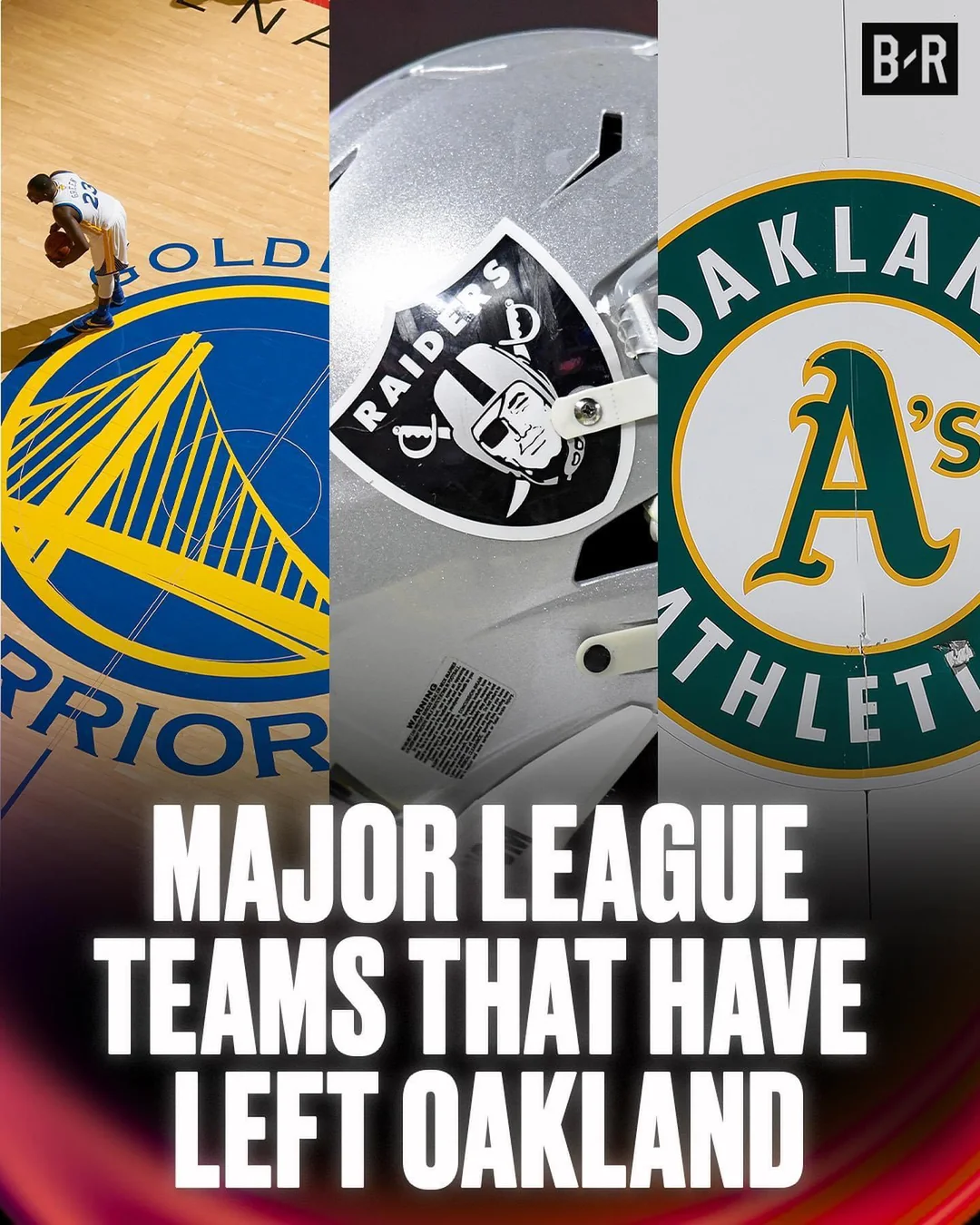
Oakland once stood among America’s great sports cities. The Raiders, Athletics and Warriors all called the city home. Now, none of those major franchises play there. That reality marks a painful change for Oakland. It also creates serious questions about the city’s future. Sports brought far more than games to the community. They created jobs, memories, traditions and a shared identity. The departures also changed the economic landscape around the Coliseum. However, the financial story remains more complicated than it appears.
The Warriors Left First
The Golden State Warriors ended their long Oakland run in 2019. The franchise moved across the Bay to San Francisco’s Chase Center. The Warriors had played in Oakland since 1971. The move hurt because Oakland had embraced the franchise for decades. The city watched the Warriors become one of basketball’s greatest teams. Stephen Curry helped turn Oracle Arena into a basketball landmark. Meanwhile, San Francisco gained a massive new entertainment development. Chase Center opened in September 2019 in Mission Bay. The arena also anchors the 11-acre Thrive City development. That move created economic activity in San Francisco. Yet Oakland lost game-day traffic from dozens of home games.
Then Came the Raiders
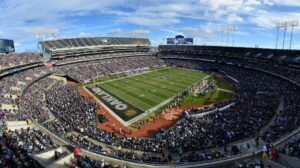
The Raiders followed the Warriors out of Oakland. The NFL approved the team’s move to Las Vegas in 2017. The Raiders played their first season at Allegiant Stadium in 2020. That departure carried its own emotional weight. Raider’s football had become deeply connected to Oakland culture. The Coliseum also lost important revenue from the Raiders. A 2017 analysis estimated roughly $7 million could disappear annually. Still, the financial picture had another side. The Coliseum struggled financially even when teams played there. In fact, operating costs could offset much of the revenue. That reality made the sports departures complicated for Oakland leaders.
The Athletics Delivered the Final Blow
The Athletics became Oakland’s last major professional sports team. Then their 57-year run finally ended in 2024. The A’s played their final Oakland game on September 26, 2024. They beat the Texas Rangers 3-2 in that final Coliseum game. The team then moved temporarily to West Sacramento. The A’s plan calls for a future move to Las Vegas. The club’s Coliseum lease expired after the 2024 season. Oakland and the A’s failed to reach an agreement for another lease. That departure changed Oakland’s sports identity forever.
Oakland Lost More Than Games
The biggest loss may not involve ticket sales. Instead, Oakland lost a major piece of its identity. The Coliseum once brought thousands of people into the area. Those fans bought food, drinks, merchandise and parking. They also visited nearby businesses before and after games. The A’s once considered a new waterfront ballpark in Oakland. One economic study projected $3.05 billion over ten years. The study also projected about 2,000 construction jobs. A larger Howard Terminal project offered an even bigger vision. The proposal projected $7.3 billion in economic activity over ten years. It also projected more than 6,100 permanent jobs. Those projections never became Oakland’s reality.
The Coliseum’s Future Matters
Now, Oakland must decide what comes next for the Coliseum. The city has started moving toward redevelopment of the property. That process could eventually create a different economic engine. However, replacing three major franchises will not happen overnight. The city also faces an important financial reality. Oakland currently subsidizes the Coliseum’s stadium operations. According to the city’s current redevelopment information, that burden could change. A proposed sale would eventually remove the city’s management responsibilities. The city expects about $6 million in annual expenses to disappear. So, losing the teams did create financial challenges. Yet redevelopment could eventually turn the page.
The Emotional Cost Could Last Longer
Money only tells part of Oakland’s sports story. The emotional cost may prove much harder to replace. Generations grew up watching the A’s at the Coliseum. Raiders fans-built traditions around Oakland’s football culture. Warriors’ fans experienced championships inside Oracle Arena. Those memories remain even after the teams leave. Oakland also still has passionate sports communities. The Oakland Roots and Oakland Ballers provide new connections. Those teams cannot immediately replace the NFL, NBA or MLB. However, they can help preserve Oakland’s sports culture.
Oakland’s Next Chapter
Oakland now faces an unusual challenge for a major American city. It must rebuild its sports identity without major-league franchises. The city cannot recreate the past. Instead, Oakland must build something new. The Coliseum site could become part of that solution. New development could create jobs and bring people back. Local sports organizations can also strengthen the community. Most importantly, Oakland still has something franchises cannot manufacture. It has fans who never stopped caring. The Raiders are gone. The Warriors are gone. The Athletics are gone. But Oakland’s sports history remains powerful. The next challenge involves creating a future worthy of it.
This article came to me why I was watching the movie Money Ball (2011) Starring: Brad Pitt and Johan Hill.



Author Profile

-
Bradley Walker (VP) and Head of our Florida operations for NGSC Sports, bringing extensive experience across collegiate, professional, and amateur athletics. His coverage spans USF Athletics, including football, baseball, lacrosse, and softball, as well as University of Tampa baseball.
Bradley also provides coverage of minor league baseball with the Clearwater Threshers and Major League Baseball with the Tampa Bay Rays. On the national stage, he covers college football bowl games and conference championship matchups, along with premier golf events across the PGA Tour, LIV Golf, and LPGA Tour.
In addition to his reporting work, Bradley is the play-by-play announcer for Pinellas Park High School Patriots football, lending his voice and insight to Friday night lights.
He is also an active podcast host and contributor, serving as a host on The Walker Report, where he delivers in-depth sports analysis, interviews, and coverage across multiple levels of competition.
Latest entries
 FootballOctober 12, 2026Bucs Stun Cowboys, Snap Losing Skid
 FootballOctober 11, 2026South Carolina Stuns Florida in SEC Showdown
 BasketballOctober 11, 2026SEC Hoops Picks: Florida Leads
 BasketballOctober 11, 2026American Hoops Picks: Memphis Leads
About the Author