 0
0
 0
0
The WNBA took center stage in Chicago for a weekend celebrating the league’s 30th season. Split between a packed Wintrust Arena on Friday and a historic, record-setting crowd of 19,783 at the United Center on Saturday, the festivities highlighted the league’s explosive growth, dynamic young stars, and legendary depth.
From high-octane Friday night skill challenges to a Saturday night shootout, here is the breakdown of the weekend’s events—and a look at why the flagship game itself is facing calls for a competitive overhaul.
1. Friday Night Lights: Shooting Stars & The 3-Point Contest
Friday night at Wintrust Arena kicked off the weekend with perimeter fireworks and a crowd-pleasing addition to the challenge lineup.
The Kia WNBA Shooting Stars Competition
Replacing the traditional Skills Challenge, the WNBA introduced the Shooting Stars event, pairing current WNBA stars, league legends, and high school prospects in a timed, multi-location shooting competition. The format brought a fun, intergenerational energy to the floor, culminating in a dramatic final round where Team Washington—led by Elena Delle Donne, Shakira Austin, and high school sensation Jezelle Banks—edged out Team Seattle to capture the inaugural trophy.
The 3-Point Contest: Azzi Fudd Takes the Crown
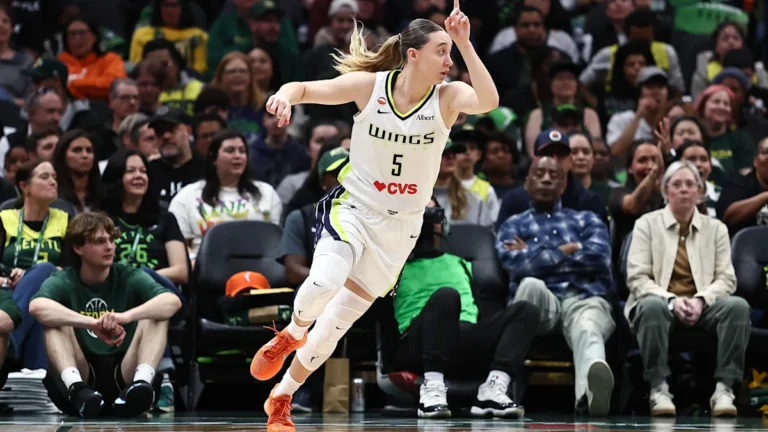
The marquee event on Friday belonged to Dallas Wings rookie sensation Azzi Fudd.
Competing in a stacked field that included league-leading three-point shooters like Rhyne Howard and Marina Mabrey, the No. 1 overall pick put on a perimeter clinic. In the final round against Portland’s Bridget Carleton, Fudd found a rhythm on her “money ball” rack and drained back-to-back deep logo shots, posting a sensational 30-point score to claim the 3-Point Contest crown in her debut season.
2. Saturday Night Showcase: Team Spoon Tops Team Coop (129–122)
Moving over to the United Center, the main event featured two draft-assembled squads selected by WNBA legends Teresa Weatherspoon (“Team Spoon”) and Cynthia Cooper (“Team Coop”).
The game provided plenty of highlight-reel moments right out of the gate:
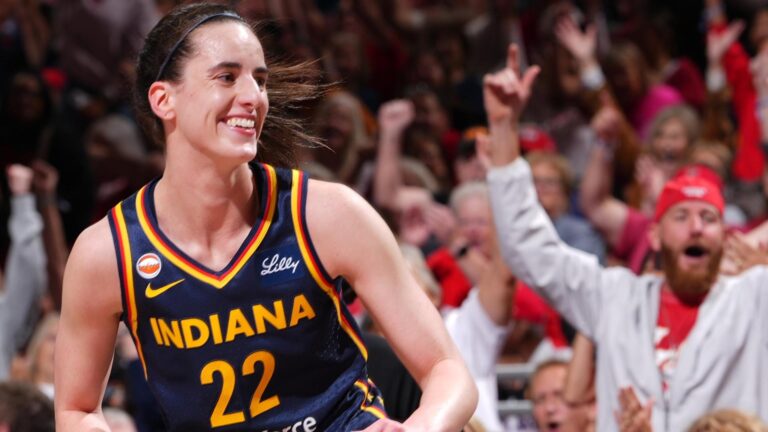
- Caitlin Clark’s Early Barrage: Returning to the All-Star floor after missing last year’s game, Clark scored 11 points in the opening 2.5 minutes, hitting back-to-back 3-pointers from 33 and 37 feet out. She finished with 17 points and 5 assists.
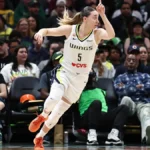
- Dominique Malonga’s Dunk: The biggest roar from the 19,783 fans came in the second quarter when 6-foot-6 Seattle Storm center Dominique Malonga threw down a smooth right-handed breakaway dunk off an assist from Angel Reese—the first All-Star dunk since 2022.
- Jonquel Jones Claims MVP: New York Liberty center Jonquel Jones anchored Team Spoon’s 129-122 victory, taking home MVP honors after flirting with a triple-double: 22 points, 13 rebounds, and 8 assists.
Team Coop was led by Indiana’s Kelsey Mitchell (game-high 28 points) and Toronto’s Marina Mabrey (23 points).
3. The Elephant in the Room: The Need for True Competition
While the fan engagement, record attendance, and social media clips were a massive success, the actual product on the floor Saturday night highlighted an issue the NBA has struggled with for years: a complete lack of competitive intensity.
The 2026 All-Star Game featured 127 three-point attempts—meaning nearly every other possession ended in a non-contested pull-up jumper. Players openly jogged back on defense, fouls were nonexistent, and intensity was saved strictly for the final two minutes.
Why the All-Star Format Needs a Revamp
- The Contrast with USA Basketball Years: WNBA All-Star games historically thrive when there is something real at stake—such as the “Team USA vs. Team WNBA” format used in Olympic years, where snubs play with an aggressive, defensive chip on their shoulder. In regular “draft format” years, that edge vanishes.
- Missing Defense Devalues the Product: When 19,000+ fans fill an arena to watch the best athletes in the world, watching players step out of the way for uncontested layups strips the game of what makes WNBA basketball compelling: high-level physicality, tactical execution, and grit.
How the League Can Fix It
- Adopt the Target Score (Elam Ending): Setting a final target score in the fourth quarter forces teams to play actual defense to secure the final points, creating guaranteed game-winning drama.
- Financial Stakes for Charity or Rosters: Raising the financial prize pool significantly for the winning team—or allocating purse money to local market charities—gives players a tangible incentive to play hard for 40 minutes rather than treat the game like a light morning shootaround.
The Takeaway
WNBA All-Star Weekend demonstrated the league’s undeniable cultural footprint and star power. Seeing young stars like Azzi Fudd and Dominique Malonga light up the stage alongside established legends proves the future of the game is in phenomenal hands. However, if the league wants its midseason showcase to match the elite standard of its regular season and playoff product, finding a way to inject real competitive fire back into Saturday night must be the top priority.


Author Profile

- CEO NGSC Sports
Latest entries
 NFCSeptember 25, 2026Lambeau Stunner: Bijan Robinson, Michael Penix Jr. Lead Falcons to Rout of Packers
 WNBASeptember 25, 2026WNBA Recaps: WNBA Playoff Bracket Set After Thrilling Thursday Night
 NBASeptember 25, 2026Why Jalen Brunson’s Spot in the NBA Player Rankings is Sparking Furious Debate
 WNBASeptember 24, 2026WNBA Recaps: Playoff Picture Sharpens After Wednesday Night’s Action
About the Author