Photo Credit: LA Times
 0
0
 0
0
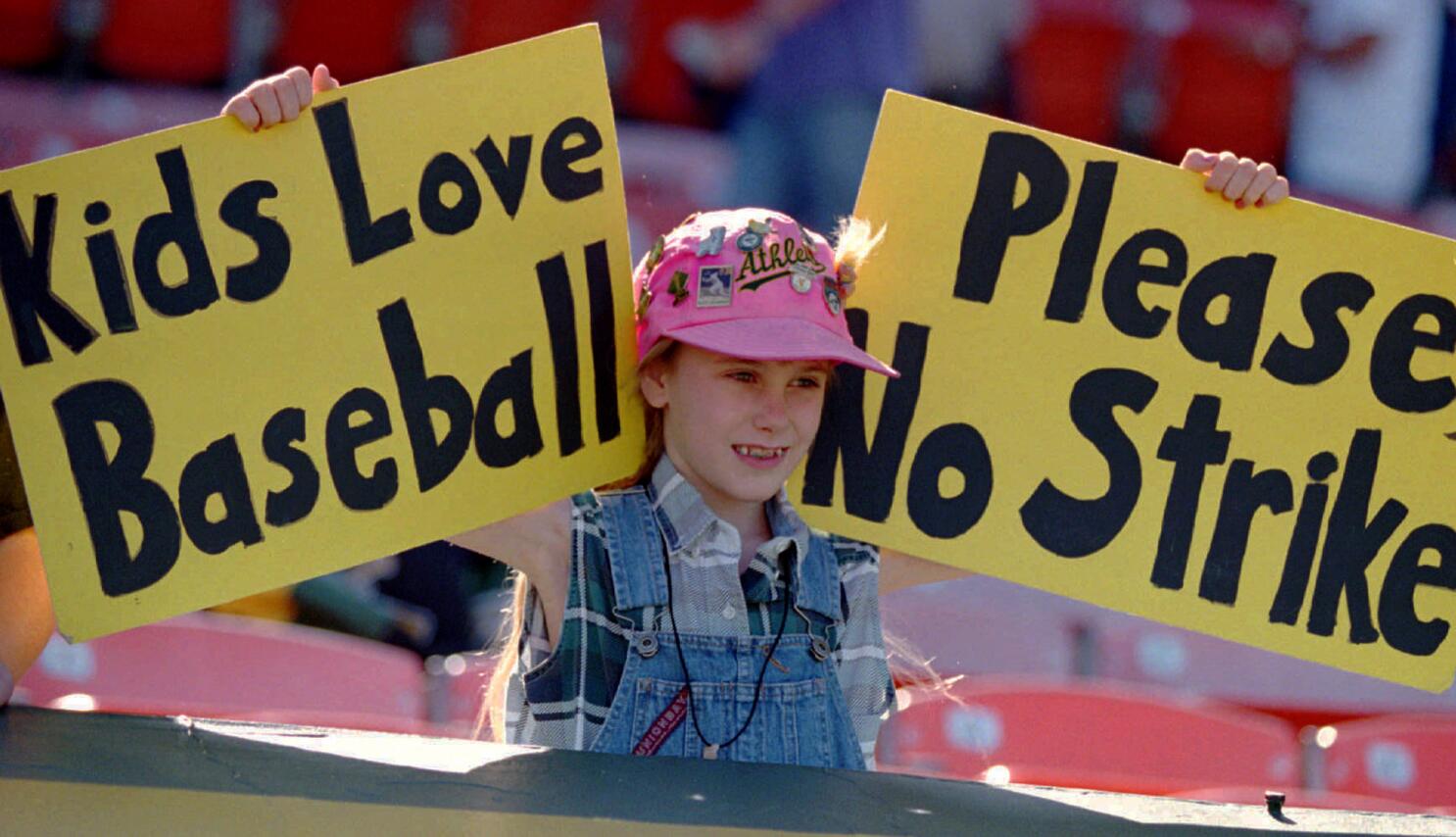
Major League Baseball and the MLB Players Association remain far apart in collective bargaining negotiations. The latest discussions created more tension between both sides. However, union officials insist the players remain united ahead of the current agreement’s expiration. MLB Players Association interim executive director Bruce Meyer strongly criticized Major League Baseball’s newest collective bargaining proposals. Meyer spoke with confidence about the players’ position during comments reported by Evan Drellich of The Athletic. He said he has never witnessed this level of unity among players and agents during negotiations.
Furthermore, Meyer argued the league’s proposals actually strengthened player solidarity. He described the proposals as “obviously and extremely bad” for players across every level of professional baseball. Therefore, he believes the league unintentionally united the union instead of creating division. Meyer also dismissed any belief that players would eventually surrender during negotiations. He reminded everyone that Major League Baseball players have consistently rejected efforts to divide the union. Moreover, he pointed to baseball’s lack of a salary cap as proof of the players’ long-standing unity.
He emphasized that players never accepted a salary cap despite decades of labor negotiations. Meyer declared that anyone expecting players to break ranks would face disappointment. According to him, that outcome never happened before and will not happen now. On Thursday, Major League Baseball unveiled several significant proposals for the next collective bargaining agreement. The league suggested implementing both a salary cap and a salary floor. Those changes would dramatically reshape baseball’s financial system.
A salary cap would limit how much each team could spend on player payroll. Meanwhile, a salary floor would require every club to spend at least a minimum amount. League officials believe those measures could improve competitive balance across Major League Baseball. However, the MLB Players Association has consistently opposed any salary cap. Union leaders believe such limits would reduce player earnings and restrict the free-agent market. As a result, the salary cap remains one of the largest obstacles during negotiations.
The league also proposed limiting contract lengths for free agents changing teams. Under the proposal, those players could sign contracts lasting no longer than five years. However, clubs re-signing their own players could offer contracts lasting up to six years. That proposal would reduce the length of many blockbuster free-agent contracts. Consequently, some players could lose opportunities for long-term financial security after reaching free agency. Union officials have not embraced those proposed restrictions.
Despite the disagreements, Major League Baseball included several proposals that benefit players. The league offered to increase the minimum salary for players with at least two years of service time. That figure would rise from $780,000 to $1 million.Additionally, MLB accepted the union’s request involving earlier free agency eligibility. Under the proposal, players who reach five years of service by age 30 would qualify for free agency. That adjustment would allow certain players to reach the open market sooner.
Even with those concessions, both sides remain far apart on several major issues. The salary cap proposal continues to represent the biggest disagreement. Therefore, negotiations likely will continue throughout the coming months.Time also adds pressure to the bargaining process. The current collective bargaining agreement expires on Dec. 1. Both Major League Baseball and the MLB Players Association must negotiate a new agreement before that deadline. Neither side appears ready to compromise on its core priorities. MLB continues to pursue structural changes involving payroll and contracts.
Meanwhile, the players remain determined to protect their earning power and negotiating rights. As negotiations continue, Meyer’s comments signal that the union believes player solidarity remains stronger than ever. That unity could play a major role during future bargaining sessions. Consequently, baseball fans should expect difficult negotiations before both sides reach a new collective bargaining agreement.



Author Profile

-
Bradley Walker (VP) and Head of our Florida operations for NGSC Sports, bringing extensive experience across collegiate, professional, and amateur athletics. His coverage spans USF Athletics, including football, baseball, lacrosse, and softball, as well as University of Tampa baseball.
Bradley also provides coverage of minor league baseball with the Clearwater Threshers and Major League Baseball with the Tampa Bay Rays. On the national stage, he covers college football bowl games and conference championship matchups, along with premier golf events across the PGA Tour, LIV Golf, and LPGA Tour.
In addition to his reporting work, Bradley is the play-by-play announcer for Pinellas Park High School Patriots football, lending his voice and insight to Friday night lights.
He is also an active podcast host and contributor, serving as a host on The Walker Report, where he delivers in-depth sports analysis, interviews, and coverage across multiple levels of competition.
Latest entries
 HockeyOctober 7, 2026Lightning Strike Down Flyers 4-1
 AAC FootballOctober 7, 2026American Week 6 Brings Conference Showdowns
 FootballOctober 7, 2026Bucs Face Desperate Thursday Test in Dallas
 AAC FootballOctober 7, 2026USF Faces Huge Test at UTSA
About the Author