 0
 0
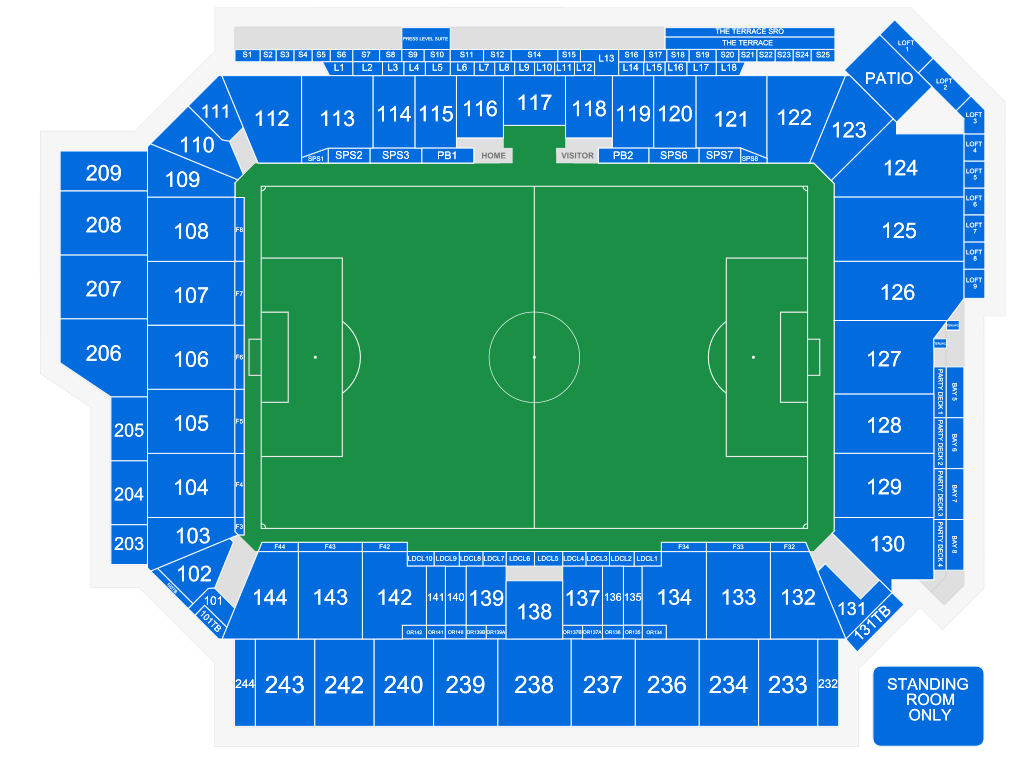
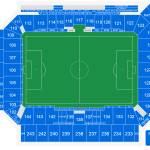
A season pass offer can look like a bargain right up until you realise the seat it comes with sits behind a pillar you cannot see past. Ten minutes with the stadium seating chart and a few quick checks will show whether the deal is worth signing.
The pass pays off only when the seat has a clear view, and you attend enough home fixtures to cover the cost. The sections below cover the map, seats to skip, pricing, and checks before and after buying.
How to read a stadium seat map without guessing?
Most maps colour each section, but colour alone says little about the view. Tracing block and row out to the pitch gives a more accurate picture in a few minutes. The same planning habit suits the rest of a match day, from a pre-game meal to a few rounds at Richard Casino:
- Find your block and row, then trace them to the pitch edge rather than relying on colour.
- Locate the halfway line and check how far your block sits from it, since corner seats often show only part of the far side.
- Check the roof outline, since seats under an upper-tier overhang can lose the far end of the pitch even when the map shows them as clear.
- Open the map legend and find the icons for restricted or obstructed views, which are usually small hatched or shaded symbols.
Which seats to avoid when buying a season pass?
Price is rarely the problem with a poor seat. Some seat types cost you part of the match every week, and a season pass locks you into them all season.
Watch out for these types before you commit:
- Seats directly behind a support column, where a pillar can hide a corner of the goal you came to watch.
- Back rows of an upper tier, where the roof can cut off the top of the scoreboard and the far touchline.
- Seats beside a gangway or stairwell, because people moving past at every break keep you standing up and sitting down.
- The first row of a tier with a rail at knee height, which can block the lower part of the pitch once you sit.
Is a season pass cheaper than buying single matches?
The answer depends on how many home games you will attend, so start with a realistic count rather than the full fixture list. Cup ties and friendlies often sit outside the pass.
Say a pass costs 600 and covers 19 league home matches, while a single league ticket costs 45. The figures below show how the comparison shifts with attendance:
| Home matches you attend | Cost per match with the pass | Total with single tickets |
| 19 | about 32 | 855 |
| 13 | about 46 | 585 |
| 10 | 60 | 450 |
As a rough rule, if you expect to miss around half of the home games, single tickets often come out ahead. Add any cup games or friendlies separately, since many passes cover league matches only. Then check the transfer terms, since a pass that cannot be handed to a friend may cost more than it looks.
What to check before paying for a season pass?
Test the seat and the rules before paying. A map shows the layout, but the rules and the real view shape the season.
How to test a seat view today?
Photos taken from the actual block are the best substitute for sitting in it. They show the pillars, roof edges, and rails that a map cannot.
- Open the club’s seat view tool or a seat view photo site for your stadium.
- Find the block and row you are considering and compare its photo with the map position.
- Ask a fan forum whether anyone sits in that exact row and what they see from it.
- If the photos are blurred or missing for that block, treat the view as unknown and look for a seat you can verify.
What rules apply to moving seats later?
Change rules decide whether a mistake costs you money or just an afternoon. Read them before the season starts.
- Find the seat change window in the terms, which is often a set number of weeks before the season begins.
- Check whether swaps are free or carry a fee, and whether a move within the same tier counts as a change.
- Check whether the seat is tied to your name or card, because that decides whether you can give the pass to someone else.
- Save a copy of the terms page, since club sites often change their wording between seasons.
What to do once the seat is confirmed?
Once the seat is yours, a few small steps keep the first home game from turning into a scramble.
- Screenshot your block and row and save it offline, in case the signal is weak at the gate.
- Add every home date to your calendar with your assigned entrance, since many stadiums send each block to a different gate.
- Set a reminder to check the club app about a week before the first home game for any seat or gate changes.
- Arrive 30 to 45 minutes before kickoff for a shorter queue at the gate and time to find the stand.
If the seat view, your realistic attendance, and the change rules all check out, buy the pass; if any one does not, buy single tickets.



Author Profile

Latest entries
 gamblingNovember 17, 2026 at 12:02 amThinking of a Matchday Season Pass? Read the Seat Map First
 FitnessNovember 15, 2026 at 12:00 amOrthopedic Physical Therapy: How Athletes Can Recover Faster From Sports Injuries
 The HubNovember 15, 2026 at 12:00 amThe Work Behind the Playing Surface: How Testing Helps Keep Sports Facilities Safe and Game-Ready
 SoccerNovember 13, 2026 at 4:20 amSoccer Substitutions Explained: Why the Bench Can Change a Game
About the Author