Photo Credit: Yahoo Sports
 0
 0
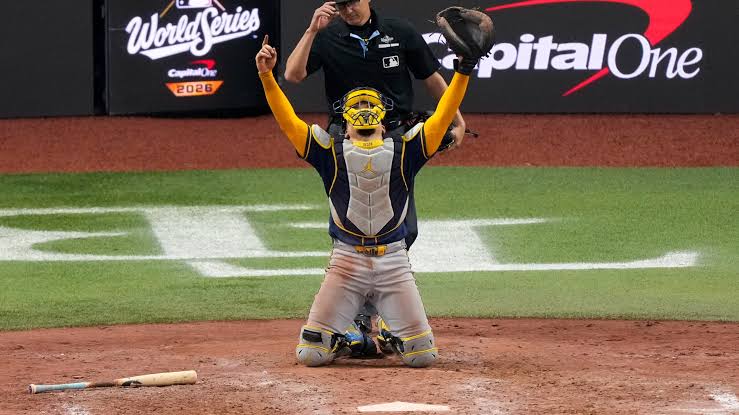
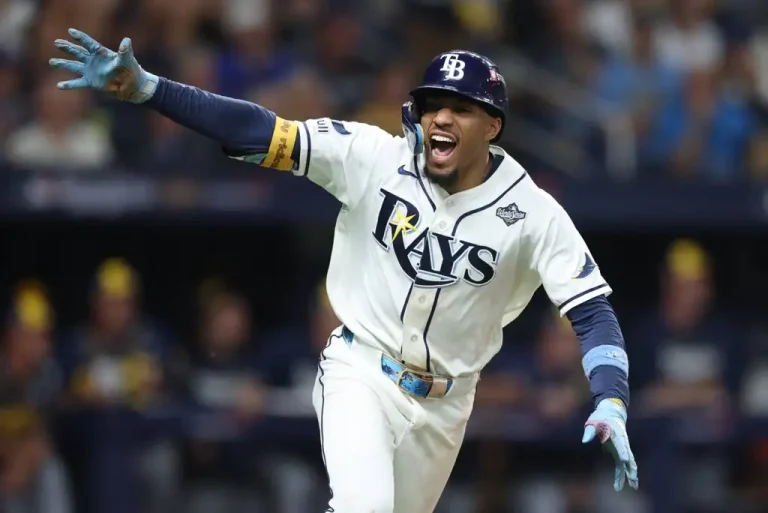
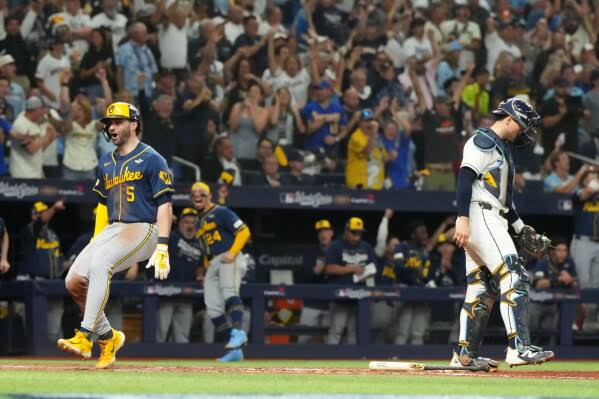
Major League Baseball just celebrated a historic World Series between two of its smaller-spending franchises. However, that success might not prevent another damaging labor dispute. The Milwaukee Brewers defeated the Tampa Bay Rays in five games to capture their first World Series championship. Both organizations demonstrated that smart management, scouting, and player development can overcome significant financial disadvantages. Nevertheless, MLB Commissioner Rob Manfred continues pushing for a salary cap before the next collective bargaining agreement. Meanwhile, the Major League Baseball Players Association strongly opposes that proposal. The disagreement threatens to create another lockout and potentially disrupt the 2027 season. Furthermore, both sides appear unwilling to compromise despite baseball’s recent growth in popularity. The situation raises an important question. Why risk another labor dispute when smaller-spending teams just reached baseball’s biggest stage?
Brewers and Rays Prove Money Cannot Guarantee Championships
The 2026 World Series featured two franchises that operate with considerably smaller payrolls than baseball’s financial powerhouses. Milwaukee entered the postseason with the league’s 19th-highest payroll, while Tampa Bay ranked near the bottom. According to Associated Press figures, Milwaukee carried approximately $124 million in opening-day payroll. Meanwhile, Tampa Bay spent approximately $89 million, ranking 26th among MLB’s 30 franchises. Those figures demonstrate the financial differences between the World Series participants and baseball’s wealthiest organizations. For comparison, the Los Angeles Dodgers and New York Yankees carried payrolls exceeding $300 million.
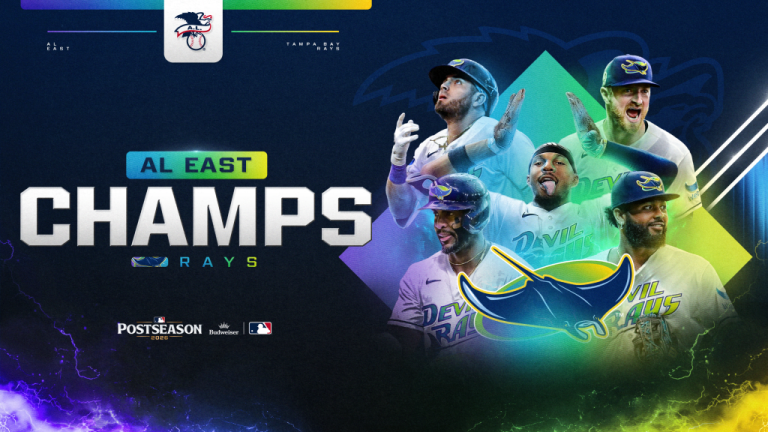
However, neither franchise reached the Fall Classic. Milwaukee eliminated Los Angeles, while Tampa Bay defeated New York during its postseason journey. Furthermore, the Brewers became the first smaller-market champion since the Kansas City Royals won in 2015. The results demonstrate that spending more money does not automatically produce postseason success. Nevertheless, MLB executives argue that one successful season cannot erase decades of financial inequality.
Rob Manfred Still Wants a Salary Cap
Commissioner Rob Manfred believes baseball needs significant economic changes despite the Brewers’ championship. Before the World Series, Manfred explained that smaller-market franchises struggle to compete consistently against wealthier organizations. He pointed toward Milwaukee’s lengthy championship drought as evidence of those challenges. The Brewers had not reached the World Series since 1982 before their remarkable 2026 campaign. Although Milwaukee regularly develops competitive teams, reaching baseball’s biggest stage remains difficult. Manfred argues that wealthier organizations enjoy advantages when pursuing expensive free agents and retaining established stars.
Furthermore, he believes those financial advantages influence playoff appearances and postseason success over extended periods. MLB wants a salary cap that limits how much teams can spend on player salaries. The league also proposes a salary floor requiring teams to maintain minimum payroll levels. Supporters believe that combination could encourage smaller-spending franchises to invest more while limiting the richest organizations. However, critics argue that payroll restrictions would primarily benefit ownership rather than competitive balance. The Brewers’ championship certainly complicates MLB’s argument, but Manfred remains committed to his position.
Players Union Refuses to Accept Salary Restrictions
The MLB Players Association sees the situation much differently. Union executive director Bruce Meyer argues that salary caps restrict competition rather than improve it. The union believes owners want payroll limits to control labor expenses and increase franchise values. Furthermore, players argue that teams should retain the freedom to spend whatever they consider necessary. The Brewers and Rays provide considerable support for that position. Both franchises reached the World Series despite operating with payrolls below the league’s upper tier. Meanwhile, several wealthy organizations failed to advance deep into October.
The union believes those results demonstrate that baseball already provides meaningful competitive opportunities. However, ownership representatives point toward larger historical trends rather than individual postseason outcomes. That disagreement represents the central obstacle facing upcoming negotiations. Neither side appears willing to abandon its position. Additionally, the union fears that accepting a salary cap could permanently weaken players’ earning power. The disagreement could create one of baseball’s most difficult labor negotiations in decades.
December 1 Could Bring Another MLB Lockout
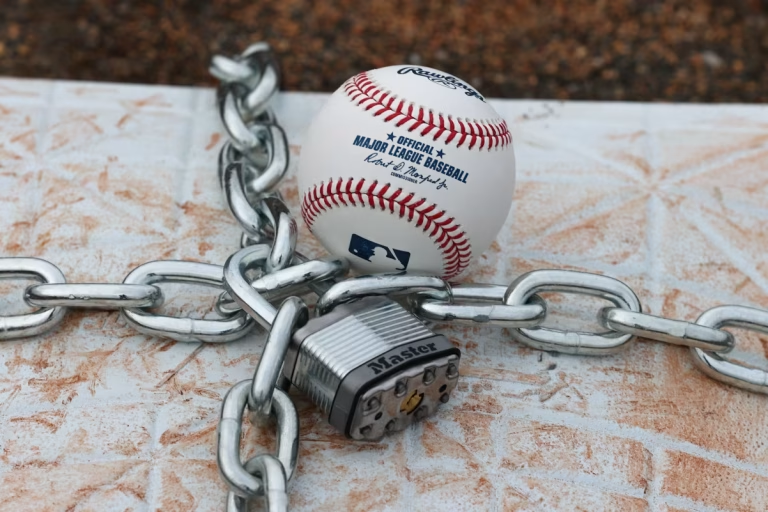
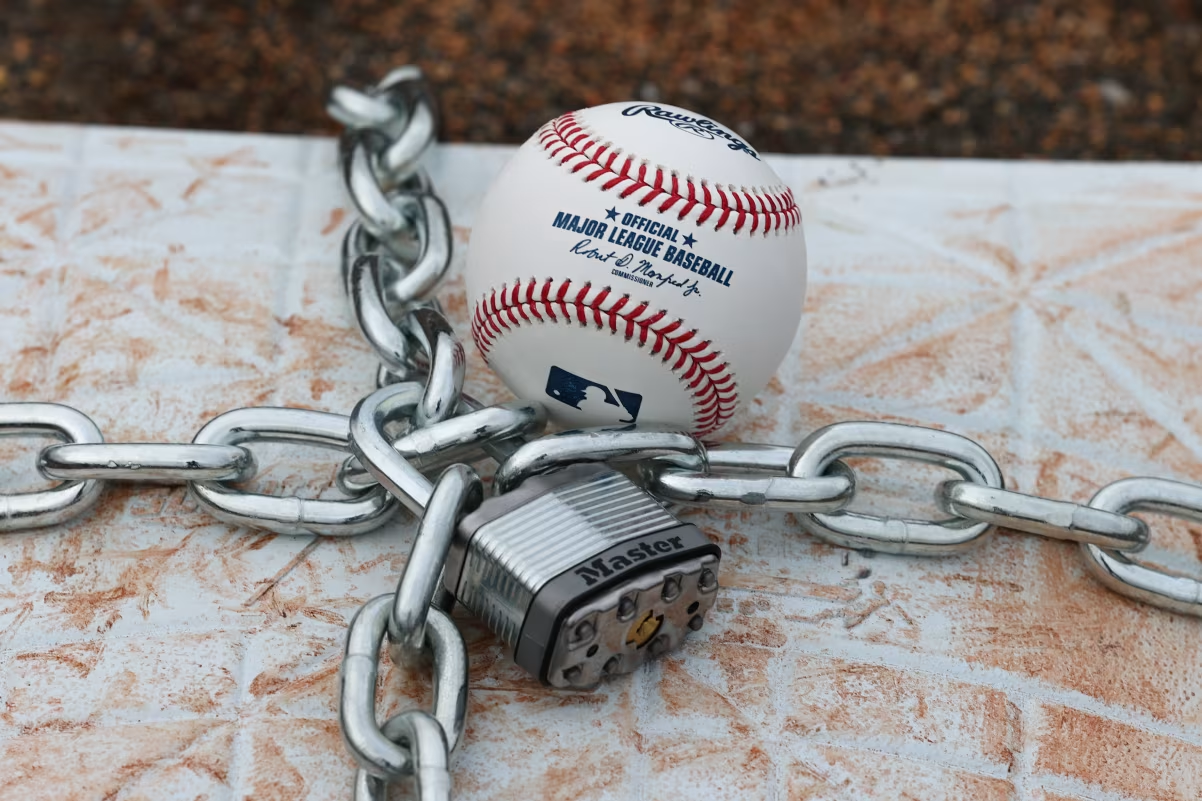
Baseball’s current collective bargaining agreement expires at 11:59 p.m. Eastern on December 1, 2026. Unless MLB and the players union reach another agreement, owners could initiate a lockout. A lockout would prevent teams from conducting normal transactions involving major league players. Consequently, clubs could not complete typical free-agent signings or trades involving players on 40-man rosters. Players would also lose access to team facilities during the work stoppage. However, a December lockout would not automatically cancel regular-season games. Both sides could still negotiate an agreement before spring training or Opening Day.
Nevertheless, prolonged negotiations could eventually threaten the 2027 schedule. The league reportedly proposed a salary cap of approximately $243.5 million alongside a $171.2 million salary floor. MLB has also explored changes involving the regular-season schedule and expanded postseason opportunities. However, the salary cap remains the biggest obstacle. Without significant movement from either side, baseball could face another lengthy offseason labor battle.
Baseball Cannot Afford Another 1994 Disaster
Major League Baseball has experienced the devastating consequences of labor disputes before. The 1994 players’ strike ended the regular season prematurely and forced MLB to cancel the World Series. That decision angered millions of fans and damaged the sport’s reputation. Furthermore, attendance suffered for years as baseball struggled to rebuild public confidence. MLB eventually recovered, but the dispute left lasting consequences. More recently, owners locked out players following the expiration of the previous collective bargaining agreement in December 2021.
Negotiations continued into March 2022 before both sides finally reached an agreement. The dispute delayed Opening Day, although MLB ultimately completed its full regular-season schedule. Now, baseball faces another potentially difficult negotiation. The difference involves the sport’s current momentum. MLB has experienced strong attendance, improved television interest, and renewed excitement surrounding younger stars. Additionally, the 2026 postseason demonstrated that franchises outside baseball’s traditional financial powerhouses can succeed. Another prolonged labor dispute could threaten those positive developments. Fans deserve meaningful negotiations before another work stoppage damages the sport.
Could a Salary Cap Actually Help Small-Market Teams?
Supporters believe a salary cap could create more predictable payroll structures throughout Major League Baseball. The NFL, NBA, and NHL already operate under various salary-cap systems. However, those leagues use different financial arrangements, including distinct revenue-sharing and spending rules. Baseball currently relies on luxury-tax penalties and revenue sharing instead of a traditional salary cap. A proposed salary floor could encourage low-spending organizations to invest additional money in their rosters. For example, teams spending below the proposed minimum would need to increase their payroll commitments. That requirement could benefit players on certain franchises while improving roster quality.
However, a salary ceiling would also restrict organizations willing to spend significantly more. The players union questions whether additional spending from smaller clubs would offset those restrictions. Furthermore, a salary cap cannot automatically guarantee competent ownership, scouting, or player development. The Brewers and Rays demonstrate how strong organizational decisions can overcome financial disadvantages. Nevertheless, some smaller-market teams struggle because they cannot consistently retain their most valuable players. Baseball must address those concerns without unnecessarily restricting player compensation.
MLB Insider Warns Another Lockout Appears Likely
ESPN baseball insider Jeff Passan has also expressed concerns about the upcoming negotiations. During an October interview with Front Office Sports, Passan explained why the small-market World Series would not prevent a lockout. He believes both sides have become too committed to their positions. Furthermore, he suggested that even a Dodgers-Yankees World Series would not significantly change the union’s stance. Passan also discussed the difficult decisions smaller-spending franchises face when established players approach free agency. Organizations such as Milwaukee and Tampa Bay frequently trade valuable players before their contracts expire.
Those moves allow teams to acquire younger talent rather than risk losing established contributors without compensation. However, that approach also frustrates fans who want their favorite players to remain with their franchises. The financial differences between organizations make those decisions especially difficult. Passan warned that prolonged negotiations could eventually threaten regular-season games. His concerns reinforce the possibility that baseball faces a difficult winter despite another successful season. Front Office Sports
The Fans Could Become the Biggest Losers
Owners and players will debate billions of dollars throughout the upcoming negotiations. However, baseball fans ultimately face the greatest disappointment if another labor dispute disrupts the season. Supporters purchase tickets, merchandise, television subscriptions, and concessions to follow their favorite teams. They also invest emotionally in organizations through winning seasons and disappointing rebuilding periods. The Brewers finally rewarded Milwaukee fans with the franchise’s first World Series championship. Meanwhile, Tampa Bay supporters watched their team reach another Fall Classic despite significant financial limitations.
Both fan bases should enter 2027 celebrating their franchises’ accomplishments and anticipating another competitive season. Instead, they must consider whether baseball will experience another work stoppage. Furthermore, smaller-market franchises could lose valuable momentum if negotiations delay the upcoming season. Baseball cannot assume fans will automatically return following another prolonged dispute. The sport competes with the NFL, NBA, NHL, college athletics, and numerous entertainment alternatives. Another labor confrontation could drive frustrated supporters toward those options.
Final Thoughts: Baseball Needs Compromise, Not Another Lockout
The 2026 World Series should provide Major League Baseball with reasons for optimism. Milwaukee captured its first championship, while Tampa Bay demonstrated that smaller-spending organizations can challenge baseball’s wealthiest franchises. Both teams defeated powerful opponents and delivered compelling postseason performances. However, their success does not completely eliminate the financial challenges facing smaller-market organizations. Manfred has legitimate concerns about competitive opportunities across MLB’s 30 franchises. Meanwhile, the players union has legitimate concerns about protecting salaries and preserving free-market opportunities.
Both sides must recognize those competing interests before negotiations become another damaging confrontation. A salary floor, stronger revenue-sharing accountability, and other economic adjustments deserve serious consideration. However, neither side should assume that one proposal offers the only possible solution. Baseball has already experienced the consequences of allowing labor disagreements to overwhelm the sport. The 1994 strike damaged an entire generation of fan relationships, while the 2021 lockout threatened another season. Now, MLB risks repeating those mistakes despite tremendous momentum. The Brewers and Rays proved that baseball’s smaller spenders can compete for championships. Unfortunately, their success cannot resolve the financial disagreements between owners and players. The December 1 deadline approaches quickly, and both sides must decide how far they will push their demands. Baseball needs meaningful compromise before another labor dispute threatens the 2027 season. After all, fans want to watch baseball, not another fight over billions of dollars.



Author Profile

-
Bradley Walker (VP) and Head of our Florida operations for NGSC Sports, bringing extensive experience across collegiate, professional, and amateur athletics. His coverage spans USF Athletics, including football, baseball, lacrosse, and softball, as well as University of Tampa baseball.
Bradley also provides coverage of minor league baseball with the Clearwater Threshers and Major League Baseball with the Tampa Bay Rays. On the national stage, he covers college football bowl games and conference championship matchups, along with premier golf events across the PGA Tour, LIV Golf, and LPGA Tour.
In addition to his reporting work, Bradley is the play-by-play announcer for Pinellas Park High School Patriots football, lending his voice and insight to Friday night lights.
He is also an active podcast host and contributor, serving as a host on The Walker Report, where he delivers in-depth sports analysis, interviews, and coverage across multiple levels of competition.
Latest entries
 WWENovember 4, 2026 at 12:06 amWWE Raw Recap: New Champion, Cena’s Surprise, and Bloodline Chaos
 NBANovember 4, 2026 at 12:06 amWarriors Must Ask: Is Draymond Green Worth the Drama?
 NCAAFNovember 4, 2026 at 12:06 am24-Team College Football Playoff: Week 10 Bracket Shakeup
 MLBNovember 4, 2026 at 12:05 amMLB Lockout Looms Despite Small-Market World Series
About the Author