 0
 0
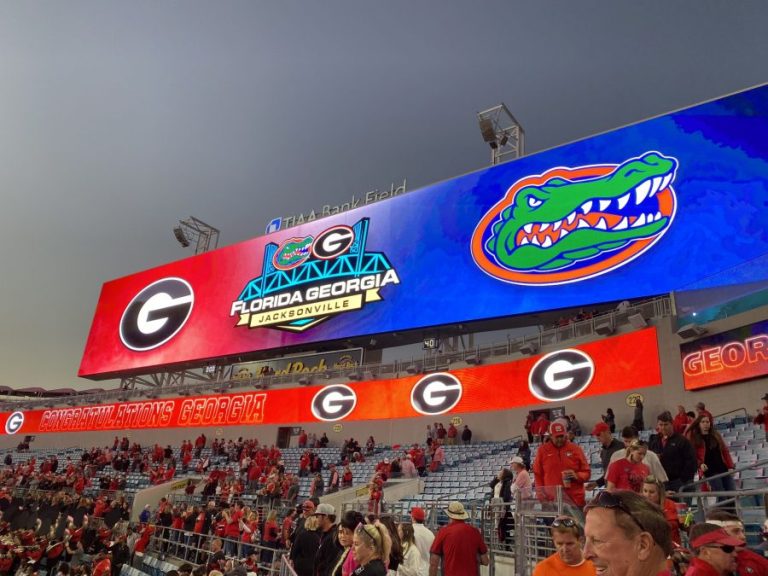
For decades, corporate sports sponsorship followed a predictable script: cut a massive check, slap a corporate logo across a jersey or perimeter LED board, and hope passive television impressions translated into positive sentiment. Today, that static approach is obsolete. Modern fans—skeptical of intrusive advertising and armed with second screens—no longer care about who bought stadium naming rights unless that sponsor genuinely adds value to the game day culture.
To win genuine loyalty, brands are rewriting the playbook. They are shifting away from passive visibility toward integrated, experiential partnerships that honor sports culture, elevate fan communities, and create unforgettable moments.
The Evolution from Signage to Shared Experience
The modern spectator does not just watch a match; they invest their identity into it. When a corporation interrupts that emotional devotion with self-serving messaging, fans react with apathy or irritation. Winning sponsorships treat fans not as consumers to be targeted, but as a community to be celebrated.
Successful brands integrate directly into the fan ritual. Consider how Heineken embeds itself in UEFA Champions League viewing traditions, or how Red Bull transformed from an energy beverage into an adrenaline-fueled content and extreme sports ecosystem. In both cases, the brands do not interrupt the competition—they become the vehicle delivering it. By enhancing pre-game tailgates, creating exclusive interactive fan zones, and providing tangible perks (like faster venue Wi-Fi or subsidized fan travel), sponsors turn commercial arrangements into welcomed hospitality.
Strategic Guidance from Sports Marketing Agencies
Navigating the complexities of contemporary athletics requires deep cultural intelligence, rights management expertise, and multi-channel orchestration. This is where top brands lean heavily on specialist partners. Forward-thinking sports marketing agencies serve as the bridge between corporate balance sheets and tribal fan passion, identifying alignment that feels organic rather than transactional.
Rather than settling for standard contract packages, these agencies help brands negotiate dynamic rights:
- Digital and Social Exclusives: Gaining access to behind-the-scenes locker room footage, training clips, and mic’d-up moments that feed social feeds on TikTok and Instagram.
- Community-Led Initiatives: Directing sponsor investment toward grassroots youth academies, local fan clubs, and neighborhood sports access programs.
- Cause-Driven Alignment: Creating campaigns that tackle environmental sustainability in stadiums or champion parity in women’s athletics.
Through data modeling and fan sentiment tracking, sports marketing agencies evaluate whether an athlete or franchise aligns with a brand’s actual values, ensuring the partnership avoids backlash while maximizing return on engagement (ROE).
Individual Athletes as Cultural Anchors
While team loyalty remains generational, individual athletes have become cultural powerhouses in their own right. From Formula 1 drivers to basketball superstars, athletes command dedicated, highly personalized digital followings that often outstrip their franchises.
Winning brands partner with athletes as authentic collaborators rather than simple billboard endorsers. When an athlete shares their authentic recovery routine, dietary habits, or personal off-court fashion choices, their community listens.
| Partnership Model | Primary Objective | Fan Perception | Key Engagement Driver |
| Traditional Stadium Signage | Broad-scale awareness | Passive background noise | Repetition and scale |
| Athlete Co-Creation | Authenticity & lifestyle alignment | Personal recommendation | Behind-the-scenes storytelling |
| Experiential On-Site Activations | Emotional affinity | Value-added hospitality | Interactive tech, pop-ups, VIP access |
| Cause & Community Programs | Brand trust & loyalty | Meaningful community investment | Youth clinics, sustainability efforts |
Embracing the Multi-Screen, Omnichannel Journey
Game day is no longer confined to 90 minutes on a stadium pitch or arena court. A supporter’s experience begins days prior on sports debate podcasts, extends through live commentary on Reddit and X during the game, and continues for hours afterward across highlight reels and meme culture.
Brands that excel build digital-first activations that cross these touchpoints seamlessly:
- Real-Time Responsiveness: Deploying reactive social content and contextual offers tied to live game events (e.g., free food items when a team hits a specific scoring milestone).
- Gamification and Utility: Offering interactive prediction contests within team apps that award fans points, merchandise, or upgraded seats.
- Immersive Digital Worlds: Sponsoring virtual fan lounges in gaming spaces like Roblox or Fortnite, connecting with Gen Z and Gen Alpha audiences where they already congregate.
The Future of Fan-First Partnerships
Sponsorship has fundamentally transformed from a transactional media buy into an exercise in community building. Fans possess an acute radar for inauthenticity; they quickly tune out logos that contribute nothing to the sport they revere.
The brands winning in today’s landscape are those that treat fandom as sacred. By delivering authentic utility, respecting team traditions, and enriching the emotional moments that make sports captivating, corporate sponsors stop feeling like commercial intruders—and start earning their place on the home team.


Author Profile
Latest entries
 SportsOctober 30, 2026 at 12:00 amHow Brands Are Winning Fans Through Sports Sponsorships
 SoccerOctober 29, 2026 at 3:09 amHow International Fans Can Plan a Champions League Away Trip
 outdoorsOctober 25, 2026 at 12:00 amHow to Build a Specialty Sports Equipment Store Without Holding Inventory
 The HubOctober 23, 2026 at 2:17 am6 Best Places to Buy a Golf Simulator Projector: The 2026 Shortlist of Retailers Worth Buying From
About the Author