
 0
0
 0
0
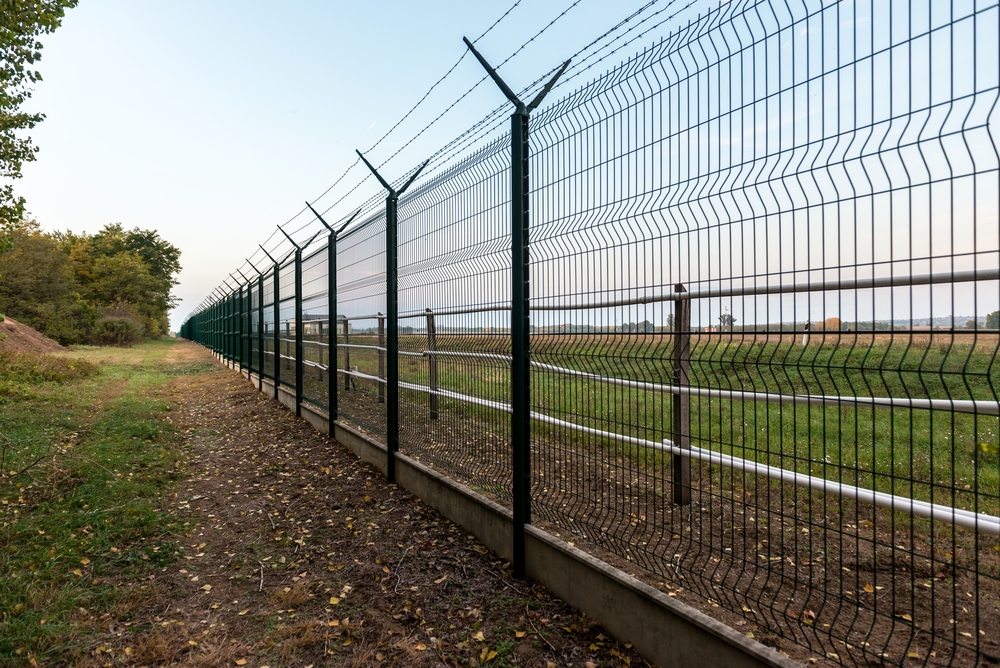
A fence affects more than the outer edge of a property. It influences where people enter, how vehicles move, which areas remain separated, and how easily occupants reach important outdoor spaces. For that reason, a successful fencing layout should respond to the movement patterns that occur on the property every day.
Residential and commercial fencing can face very different traffic demands even when similar materials are used. A home may need convenient routes for family members, guests, pets, and lawn equipment, while a business may accommodate employees, customers, deliveries, service vehicles, and multiple entrances. Understanding these patterns before planning boundaries can prevent access problems after construction.
Hawk Fences can consider how a property functions before determining where fence lines and gates should be positioned. Existing company material similarly emphasizes matching fencing decisions with everyday property use. A layout based on actual movement can support smoother circulation while keeping important areas clearly organized.
Begin by Mapping Everyday Movement Across the Property
Traffic patterns become easier to understand when owners identify where people regularly begin and end their trips. Common destinations might include front doors, garages, patios, parking areas, sidewalks, storage buildings, loading areas, or service entrances.
Drawing these routes on a basic property sketch can reveal where fencing might interrupt normal movement. It can also identify locations where a gate would create a more direct connection between frequently used areas.
Occasional activities deserve consideration as well. A route used only for seasonal landscaping or equipment access may still be important enough to influence the overall layout.
Residential Properties Usually Have Several Types of Traffic
Household movement is rarely limited to residents walking between a driveway and the front door. Children may move between play areas, pets may use specific portions of the yard, and visitors may approach outdoor entertaining spaces from another direction.
Each pattern can affect boundary planning. A gate placed conveniently for adults may be awkward when someone is carrying gardening supplies, moving a bicycle, or guiding equipment into the backyard.
The strongest layout considers these ordinary routines before final positions are established. Small improvements in access can make the fencing considerably easier to live with over time.
Commercial Properties Often Manage More Complex Circulation
Businesses may accommodate several groups whose routes should not necessarily overlap. Customers, employees, suppliers, maintenance providers, and delivery drivers can approach the same property for completely different reasons.
Residential and commercial requirements therefore differ significantly when traffic volume increases or vehicles become part of everyday circulation. Commercial layouts may need to distinguish public access from operational areas while maintaining practical routes for authorized users.
Understanding who uses each entrance provides valuable context. Rather than treating every gate as interchangeable, property managers can establish access points according to the people and activities they are intended to serve.
Gate Locations Should Follow Natural Walking Routes
A gate becomes inconvenient when people regularly need to walk past their destination to reach it. Over time, poor placement can make even an otherwise effective fencing layout frustrating.
Watch Existing Movement Before Planning
Established footpaths can reveal where people naturally prefer to travel. These patterns may provide useful clues about practical gate locations.
Consider the Destination Beyond the Gate
Access should make sense on both sides. A gate should connect logically with sidewalks, patios, parking spaces, doors, or other frequently used destinations rather than opening toward an awkward or obstructed area.
Hawk Fences can incorporate these circulation needs into layout planning so access supports normal property use.
Vehicle Access Requires Different Planning
A pedestrian gate and a vehicle entrance perform fundamentally different jobs. Driveways, trailers, maintenance equipment, service vehicles, and deliveries require enough clearance to move through the property without creating unnecessary maneuvering problems.
Owners should consider the actual vehicles likely to use an entrance rather than planning around a typical passenger car alone. Commercial properties may occasionally need access for larger service or delivery vehicles even if smaller vehicles dominate daily traffic.
Approach angles matter too. Adequate opening width becomes less useful when surrounding obstacles make it difficult for a vehicle to line up with the entrance.
Deliveries Can Influence Commercial Fence Layouts
Deliveries often follow schedules and routes that differ from ordinary customer traffic. Trucks may need access to loading areas, storage zones, rear entrances, or utility spaces that should remain separate from public circulation.
A fencing plan can support this distinction by guiding vehicles toward appropriate access points. Clear routes can reduce unnecessary movement through parking areas or other heavily used spaces.
Managers should consider delivery frequency, vehicle size, unloading requirements, and turning space before determining entrance locations. Planning for routine logistics helps the property operate more efficiently after fencing is in place.
Residential Gates Should Support Outdoor Maintenance
Homeowners regularly move lawn mowers, wheelbarrows, waste containers, garden supplies, bicycles, and other equipment between different portions of a property. Access that works comfortably for a person alone may not accommodate these activities.
Gate width and location should therefore reflect the items likely to pass through. Owners can make a list of larger equipment used throughout the year before finalizing the layout.
Future purchases are worth considering as well. Planning modest additional flexibility may prevent an access point from becoming unnecessarily restrictive when household equipment changes later.
Parking Areas Need Clear Connections
Fencing near parking areas can influence how people move between vehicles and buildings. Drivers and passengers should be able to leave parking spaces and reach their destinations without encountering confusing or unnecessarily indirect routes.
This becomes especially important on busy commercial sites. Customers unfamiliar with the property generally benefit from access points that are easy to recognize and understand.
Residential layouts can face similar concerns around garages and side yards. Convenient connections between parking areas and outdoor spaces can simplify everyday activities such as unloading supplies or reaching backyard gathering areas.
Access for Service Providers Should Not Be Forgotten
Properties periodically need visits from landscapers, utility personnel, maintenance contractors, technicians, or other service providers. These users may need to reach areas that residents, employees, or customers rarely visit.
Providing logical access can make routine property work easier. Gates should not require service providers to move equipment through sensitive areas when a more direct route could be planned.
Hawk Fences can consider these less frequent but important movements alongside daily traffic. A useful fencing layout supports both ordinary routines and the periodic services required to maintain the property.
High-Traffic Areas May Need Extra Attention
Some entrances are used far more frequently than others. Repeated operation can place greater demands on gates, hinges, latches, posts, and surrounding components.
Identifying these locations during planning allows owners to think realistically about expected use. A decorative secondary entrance may have different functional requirements from the gate used dozens of times during a busy day.
Traffic frequency should therefore influence more than placement. It provides useful context for selecting appropriate components and establishing realistic expectations for inspection and maintenance over time.
Avoid Creating Conflicting Traffic Routes
Poorly planned access can cause different users to cross paths unnecessarily. Pedestrians may move through vehicle routes, customers may enter operational areas, or household traffic may pass directly through recreational zones.
A clear layout can reduce these conflicts by giving major activities logical paths. Fencing becomes a tool for organizing circulation rather than simply creating barriers.
This is especially useful on properties with multiple functions. Separating movement patterns where appropriate can make outdoor areas easier to understand for both regular occupants and first-time visitors.
Consider How Traffic Changes Throughout the Day
Property movement is not always consistent. A business may experience heavy customer traffic during certain hours and deliveries at another time. A home may become more active in the afternoon when children return or during weekends when guests visit.
Residential and commercial fencing plans can benefit from considering these peaks instead of focusing only on quiet periods. A route that works well with one or two users may become inconvenient when several people need the same entrance simultaneously.
Observing the property at different times can reveal these variations. This information supports access decisions based on real conditions rather than assumptions.
Plan for Future Changes in Property Use
Traffic patterns can evolve when households, businesses, or properties change. A new outdoor feature may create another destination, while business expansion could increase deliveries or employee movement.
Fencing is easier to use long-term when these foreseeable changes are considered early. Owners do not need to predict every future development, but known plans should influence current access decisions.
Flexible layouts can accommodate changing routines without requiring major alterations. Strategic gate placement and sensible circulation routes give the property room to adapt as its activities develop.
Better Access Begins With Understanding Movement
Effective fencing should work with the people, vehicles, equipment, and activities already moving across a property. Mapping those patterns before construction helps owners identify where boundaries are useful and where convenient access must remain available.
Residential properties may prioritize family routines, pets, outdoor maintenance, guests, and recreation. Commercial sites can introduce additional considerations involving employees, customers, deliveries, service providers, parking areas, and operational zones. These differences make traffic analysis an important part of thoughtful fence planning.
A well-organized layout makes boundaries feel natural rather than restrictive. By positioning gates and fence lines around real movement patterns, property owners can create outdoor spaces that remain easier to navigate, manage, and use as everyday needs change.



Author Profile

Latest entries
 WWEOctober 14, 2026The Ultimate Star-Maker: Why Money in the Bank Defines the Future of WWE
 The HubOctober 10, 2026How Digital Marketing and Smart Budgeting Are Transforming the Sports Industry
 Online BettingOctober 9, 2026Lambabet and the Main Bonuses for New Players
 Online BettingOctober 9, 2026Dodgers vs Brewers Props Guide: Home Run Threats, Power Bats and Key Factors
About the Author