 0
0
 0
0
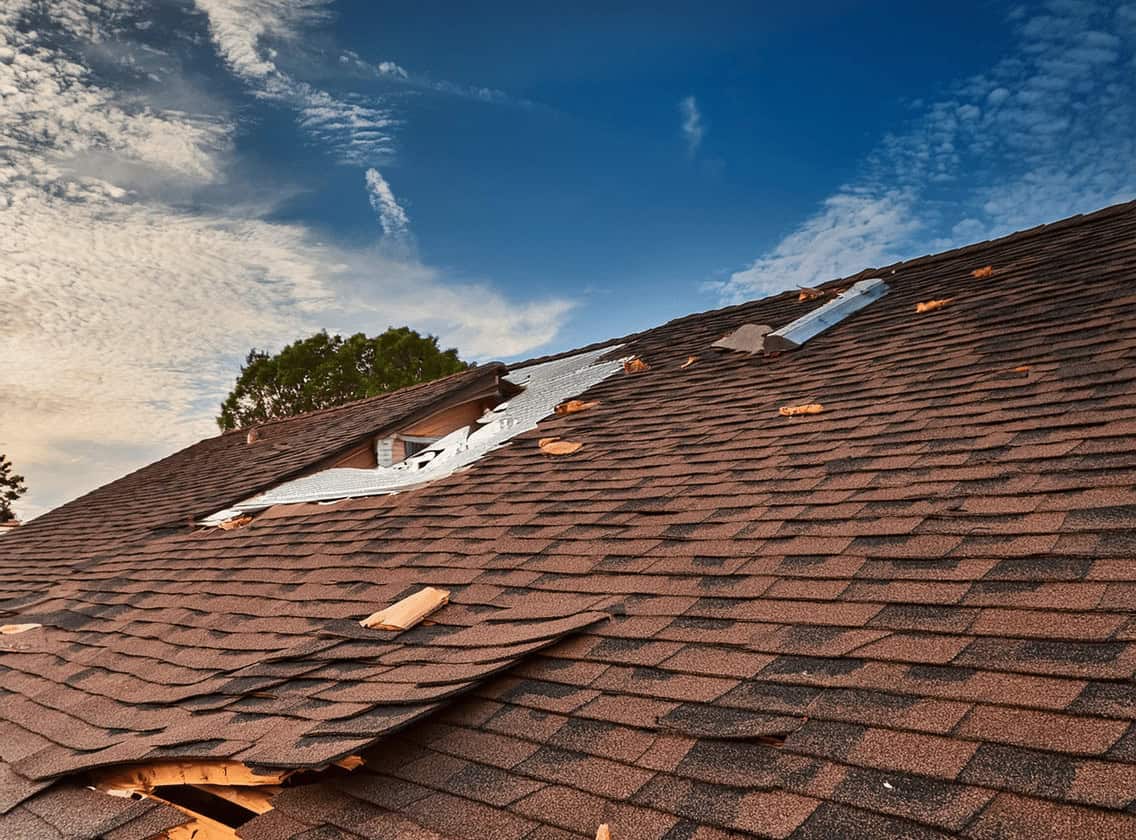
A strong storm can leave a property looking normal from ground level while creating problems higher on the roof. Wind may disturb roofing materials, falling debris can damage exposed surfaces, and heavy rain may reveal weaknesses around flashing or penetrations. Some problems appear immediately, while others become noticeable only after water finds a path into the building.
The hours and days after severe weather are not the time for rushed decisions or unsafe roof access. A methodical response gives homeowners useful information about what changed and where professional repairs may be needed. Photographs, interior observations, maintenance records, and a clear timeline can make later conversations more productive.
Storm response should focus first on safety and documentation, followed by a careful assessment of the roofing system. Ragan Roofing may be considered when damage needs to be evaluated without relying only on what can be seen from the yard. Knowing what to record and which warning signs deserve attention gives homeowners a clearer way to respond after difficult weather.
Begin With a Safe Ground-Level Check
The first inspection does not require climbing onto the roof. In fact, accessing a wet, steep, damaged, or debris-covered roof creates unnecessary risk. Many useful observations can be made from the ground or through windows without walking on roofing materials.
Look for material that has fallen into the yard, visible changes along roof edges, displaced flashing, damaged gutters, and tree limbs resting against the structure. Pieces of roofing material on the ground may indicate damage above even when the affected area cannot be seen directly. Exterior walls and areas around downspouts may also show signs of unusual runoff.
Repairs should not begin with an attempt to investigate dangerous areas personally. Recording visible conditions and leaving close roof evaluation to someone equipped for that work provides useful information without adding another hazard after the storm.
Photograph Conditions Before Cleanup Changes the Scene
Photos create a record of what the property looked like shortly after the weather event. Take wide images showing entire roof slopes from safe positions, then photograph visible damage, fallen branches, displaced materials, and debris around the building. Interior water marks should be documented as well.
Images are more useful when they provide context. A close photograph of a roofing fragment may not show where it was found, while a wider image can establish its location relative to the house. Keeping both types of photographs creates a clearer record.
Ragan Roofing may be part of the later assessment, but early documentation gives homeowners a reference point before temporary work or cleanup alters conditions. Photos should be stored with the date and any notes about when leaks, noises, or visible damage were first noticed.
Check Interior Rooms for Signs of Water Entry
Roof damage does not always produce an obvious stream of water. Moisture may first appear as a small ceiling stain, damp area near an exterior wall, discoloration around a vent, or an unusual mark in an upper room. These changes deserve attention after a storm even when they seem minor.
Look Beyond the Room Directly Below Visible Damage
Water does not necessarily travel straight downward from its entry point. It may follow framing or other surfaces before appearing inside the living area. The location of an interior stain therefore provides a clue, not a precise map of the roof defect.
Attic areas may offer additional information when they can be viewed safely from an established access point. Damp insulation, visible staining, or water marks may indicate where moisture has traveled. Homeowners should avoid entering unsafe or difficult areas simply to investigate further.
If active water is near electrical fixtures or other electrical components, the situation requires extra caution. Personal safety takes priority over protecting finishes or trying to locate the source during the storm.
Separate Storm Damage From Older Wear
Not every roofing concern found after severe weather was necessarily created by that event. A roof may already contain aging materials, previous repairs, worn flashing, or other existing conditions. Distinguishing new damage from older wear creates a more accurate picture of what happened.
Previous photographs can be useful for comparison. Inspection records, invoices, maintenance notes, and images from earlier exterior projects may show the roof’s condition before the storm. Even casual photographs of the house can sometimes provide visual context for obvious changes.
Professional repairs are easier to discuss when homeowners can explain what was known before the event and what appeared afterward. A clear timeline also prevents several unrelated roofing conditions from being treated as though they developed at the same moment.
Pay Attention to Roof Edges and Flashing Areas
Open roof surfaces receive plenty of attention after storms, but transitions and edges also deserve examination. Roof edges experience direct wind exposure, while flashing around walls, chimneys, vents, and other penetrations manages water at locations where materials meet.
A small shift at one of these connections may create a path for water even if surrounding roofing looks largely unchanged. Debris impact may also affect metal components or seals without creating a large, easily visible opening.
Ragan Roofing can be considered when these areas need closer inspection because many transition details are difficult to evaluate accurately from the ground. Identifying the actual source matters before repairs are selected; addressing a nearby symptom without understanding the entry point may leave the underlying problem unresolved.
Record What Happened During and After the Storm
A short written timeline complements photographs. Note the approximate time of the storm, when visible damage was first noticed, where water appeared, and whether the condition changed during later rainfall. This record does not need to be complicated.
Homeowners should also keep documents connected with any temporary measures or professional evaluations. Combining photographs, notes, previous maintenance records, and new paperwork creates one organized history of the event. That history is useful when several people need to discuss the same damage.
Avoid relying on memory alone. Details about the first location of a leak or when a ceiling stain expanded become harder to recall accurately after cleanup and other property concerns begin competing for attention.
Prioritize Active Water Entry and Exposed Areas
Storm damage varies in urgency. Active leaks, exposed roof sections, damaged openings, and conditions that allow additional water into the structure deserve earlier attention than minor cosmetic changes. Prioritizing by risk prevents visible but less serious issues from distracting from areas that are actively exposing the building.
Temporary protection may sometimes be appropriate until permanent repairs can be planned. Such work should be completed without creating unsafe access or causing additional damage to roofing materials. A temporary measure is intended to limit further exposure, not replace an assessment of the underlying condition.
Repairs should match the actual extent of damage once that condition is understood. A limited problem may require focused work, while damage across multiple sections may lead to a broader discussion about the roofing system.
Avoid Making Permanent Decisions From Ground-Level Appearance
Some storm effects are easy to see, but visibility does not always reflect severity. A dramatic amount of debris in the yard does not prove extensive roof damage, just as a clean-looking roof does not prove that every transition remains intact.
Close evaluation may include checking material condition, roof penetrations, flashing, edges, valleys, and other vulnerable areas. The findings should explain what was damaged and why the proposed scope of work addresses that condition.
Ragan Roofing may be considered for this stage when homeowners need a clearer assessment after the initial documentation is complete. The purpose of the evaluation should be to identify specific conditions rather than assume that every storm requires the same response.
Keep a Complete Record After Work Is Finished
Documentation remains useful after the immediate problem has been addressed. Keep photographs showing conditions before and after work, along with invoices, descriptions of completed work, and relevant material information. These records provide context for future inspections.
Later roofing concerns become easier to evaluate when previous work is documented clearly. A future contractor can see which area was addressed and compare it with a new problem instead of relying on incomplete recollections. Records also allow homeowners to track whether one location develops repeated issues.
Storm recovery becomes more manageable when actions follow a sensible order. Start with safety, document visible conditions, check the interior, record the timeline, and have questionable areas assessed before choosing permanent work. A careful response replaces guesswork with evidence and gives homeowners a clearer understanding of what the roof needs after severe weather.



Author Profile

Latest entries
 WWEOctober 14, 2026The Ultimate Star-Maker: Why Money in the Bank Defines the Future of WWE
 The HubOctober 10, 2026How Digital Marketing and Smart Budgeting Are Transforming the Sports Industry
 Online BettingOctober 9, 2026Lambabet and the Main Bonuses for New Players
 Online BettingOctober 9, 2026Dodgers vs Brewers Props Guide: Home Run Threats, Power Bats and Key Factors
About the Author