 0
0
 0
0
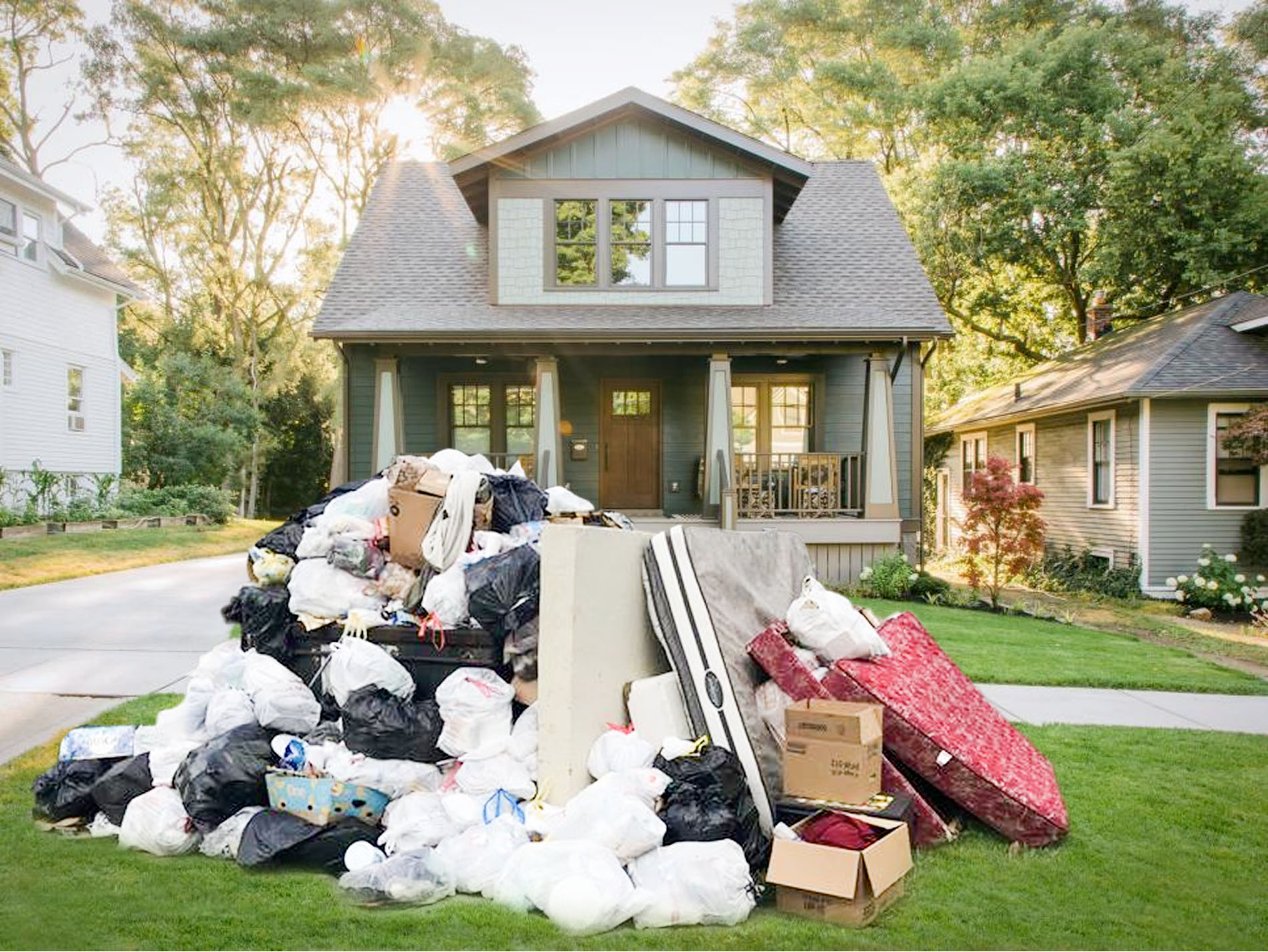
Household waste can increase dramatically during periods of change. Moving to a new home, replacing furniture, completing improvement projects, or reorganizing several rooms often produces far more discarded material than an ordinary weekly routine. Boxes, packaging, damaged household goods, old furnishings, and project-related waste can accumulate quickly when several activities happen at once.
Managing this temporary increase requires a different approach from everyday disposal. Standard routines may work perfectly during normal weeks but become difficult when residents are simultaneously packing, unpacking, sorting belongings, and improving their surroundings. A clear plan keeps unwanted materials from occupying the same valuable space needed to complete the project.
Hiep Sanitation can provide Residential Trash Removal that supports households during these temporary high-volume periods. By organizing disposal around the work being completed, residents can concentrate on moving, improving, or reorganizing their homes without allowing accumulated waste to become another project that must be addressed later.
Understand Why Household Waste Suddenly Increases
Major household changes create several waste streams at the same time. A move may reveal unwanted belongings during packing while producing additional cardboard and protective materials after arrival.
Home projects create a similar pattern. New fixtures, furnishings, decorations, or storage systems often arrive with packaging while the items they replace also need to leave the property.
Recognizing this increase before work begins helps residents prepare realistically. Instead of expecting normal disposal habits to absorb an unusual amount of material, households can establish a temporary strategy suited to the actual project.
Sort Before Packing for a Move
Moving provides an opportunity to evaluate belongings before paying the practical cost of transporting them. Items that are damaged, unused, or no longer appropriate for the next home can be identified before they enter moving boxes.
Sorting by room makes the process easier to manage. Residents can review closets, cabinets, storage spaces, bedrooms, and living areas individually instead of attempting to evaluate the entire household simultaneously.
Early decisions also reduce congestion during packing. Fewer unnecessary belongings mean fewer boxes to label, carry, transport, unload, and organize at the destination.
Manage Packaging During the Unpacking Stage
Arriving at a new home creates a different waste challenge. Cardboard boxes, wrapping materials, protective packaging, and other moving supplies can quickly occupy floors and hallways as belongings are unpacked.
Establish One Packaging Area
Keeping empty packaging in a designated location prevents it from spreading through rooms that are still being organized.
Break Down Appropriate Materials Promptly
Reducing the space occupied by suitable packaging can make the unpacking area easier to navigate. Residents can then concentrate on arranging belongings rather than continually moving empty boxes.
An organized process helps the new home become functional sooner.
Plan for Furniture Replacement Projects
Replacing a sofa, dining set, bedroom furniture, or other substantial household pieces creates an immediate space problem. New furniture requires room to enter while the old item may still occupy its original location.
Residents should decide what will happen to existing pieces before replacements arrive. Furniture suitable for donation, resale, or another household should be separated from items intended for disposal.
Hiep Sanitation can fit into this broader plan by helping households manage appropriate unwanted material. Establishing the destination of old belongings beforehand prevents replacement projects from creating crowded rooms and blocked access.
Keep Small Improvement Projects Organized
Not every home project is a major renovation. Replacing shelving, updating a room, installing new fixtures, changing flooring in a limited area, or refreshing outdoor features can still generate considerable waste.
Packaging, removed materials, damaged components, and general project debris may accumulate faster than anticipated. Leaving these materials in the work area can make the next task more difficult.
A disposal plan allows residents to remove appropriate waste as the project progresses. Cleaner work areas provide better access to tools and supplies while making progress easier to evaluate.
Separate Reusable Items From Waste
A household project can uncover belongings that still have useful life. Furniture, household goods, decorations, and other items may be suitable for donation, resale, or reuse rather than disposal.
Create clear categories before moving objects out of their original locations. Mixing reusable items with waste can lead to confusion and repeated handling.
A defined sorting process also encourages more deliberate decisions. Residents know whether each item has a destination instead of creating temporary piles that remain around the property after the project ends.
Avoid Creating Temporary Clutter Zones
One common response to a busy home project is moving unwanted items into a garage, basement, spare room, or side yard. This clears the immediate work area but often creates another cleanup problem.
Temporary staging can be useful when items need short-term sorting. It becomes less effective when discarded materials remain indefinitely because no final disposal plan exists.
Residential Trash Removal can support a more complete process by giving appropriate waste a clear next step. Moving materials toward their final destination reduces the likelihood that one organized room simply creates clutter somewhere else.
Protect Hallways and Main Walking Routes
Moves and home projects naturally involve frequent movement between rooms. Boxes, furniture, tools, and discarded materials can quickly narrow the paths people rely on throughout the day.
Primary hallways, entrances, stairs, and doorways should remain as clear as practical. Keeping waste away from these routes supports easier movement while residents carry belongings and project materials.
Clear paths are especially useful when several people are working simultaneously. Everyone can move between areas without repeatedly shifting objects that should already have been removed from active circulation.
Coordinate Waste Removal With the Project Timeline
Temporary waste needs often rise and fall according to the stage of the project. A move may produce significant unwanted material during initial sorting, followed by another increase during unpacking.
Home improvement projects can follow a similar sequence. Removal creates one type of waste, while installation and finishing produce packaging, scraps, and replaced components.
Hiep Sanitation can support households by fitting disposal into these changing project stages. Planning around the timeline helps prevent waste from remaining on the property simply because removal was considered only after every other task was finished.
Prepare Before Delivery Days
New appliances, furniture, storage systems, and household products often arrive with substantial packaging. When several deliveries occur close together, waste can increase rapidly.
Residents can prepare by clearing the delivery route and identifying where packaging will be placed temporarily. Old items should also have a planned destination before replacements arrive whenever possible.
This preparation keeps delivery day from becoming an unplanned cleanup event. Workers have clearer access, residents can inspect new items more easily, and packaging does not need to remain scattered throughout the home.
Consider Waste During Room Reorganization
Reorganizing a room often reveals more unwanted material than expected. Closets, cabinets, home offices, playrooms, and storage spaces can contain items that have remained untouched for years.
Residents should avoid emptying everything into the middle of the room without a sorting plan. Working in smaller sections keeps the area functional and makes decisions easier.
Completed categories should leave the workspace promptly. Otherwise, neatly sorted piles can still occupy the room and prevent the reorganization from reaching a true finish.
Keep Different Projects From Overlapping
Households sometimes begin several improvements at once. A move may coincide with painting, furniture replacement, storage upgrades, or minor repairs, creating multiple sources of waste across the property.
Establishing priorities can reduce confusion. Finishing one room or project stage before opening another creates more usable space and keeps discarded materials easier to identify.
When overlapping work cannot be avoided, separate staging areas can help. Clear organization prevents project supplies from becoming mixed with materials that have already been designated for removal.
Check What Requires Special Handling
Not every unwanted household material belongs in ordinary trash. Certain items can have specific disposal or handling requirements depending on their type and local rules.
Residents should identify questionable materials before combining them with general waste. Confirming requirements early prevents delays when the project is already underway.
This is particularly important during home improvement work, where removed products may differ substantially from everyday household garbage. Planning around material type helps keep the disposal process organized and appropriate.
Finish Disposal Before Calling the Project Complete
A room may look improved while bags, boxes, packaging, and removed materials remain stored elsewhere on the property. Treating cleanup as a separate future task can extend a project long after the main work has ended.
The final stage should include reviewing work areas, storage locations, entrances, and outdoor staging spaces for remaining waste. Completing this step restores usable space throughout the property.
A project is more satisfying when its leftovers leave along with the work itself. Building disposal into the schedule helps residents reach that point without facing another large cleanup afterward.
Make Household Transitions Easier to Complete
Moves, furniture changes, room reorganizations, and home projects temporarily disrupt ordinary household routines. Waste becomes easier to manage when residents anticipate that disruption and create a clear system before unwanted materials begin accumulating.
Effective Residential Trash Removal can support these high-volume periods by helping appropriate waste move out of active household spaces. Sorting early, protecting walking routes, separating reusable belongings, planning around deliveries, and coordinating disposal with project stages can keep work more manageable.
Temporary household changes should produce lasting improvements rather than permanent clutter. With thoughtful preparation, residents can complete transitions more efficiently, regain usable space sooner, and enjoy the results without facing piles of leftover material after the main project is finished.



Author Profile

Latest entries
 WWEOctober 14, 2026The Ultimate Star-Maker: Why Money in the Bank Defines the Future of WWE
 The HubOctober 10, 2026How Digital Marketing and Smart Budgeting Are Transforming the Sports Industry
 Online BettingOctober 9, 2026Lambabet and the Main Bonuses for New Players
 Online BettingOctober 9, 2026Dodgers vs Brewers Props Guide: Home Run Threats, Power Bats and Key Factors
About the Author