 0
0
 0
0
As we approach the 2026 trade deadline, the NBA’s 65-game eligibility rule—once hailed as the “cure” for load management—has transformed into one of the most polarizing topics in the league. Designed to protect the regular-season “product” for fans and broadcasters, the rule mandates that players must appear in at least 65 games (playing at least 20 minutes) to qualify for major awards like MVP, All-NBA, and Defensive Player of the Year.
However, mid-season reality in 2026 suggests the rule might be doing more harm than good, creating a “margin of error” that is punishing greatness and potentially compromising player health.
A Legacy Crisis: Devaluing the History Books
The primary criticism of the rule is that it forces the league to recognize the “most available” rather than the “most valuable.” This season, the NBA faces an unprecedented “award crisis” as several all-time greats are on the verge of disqualification:
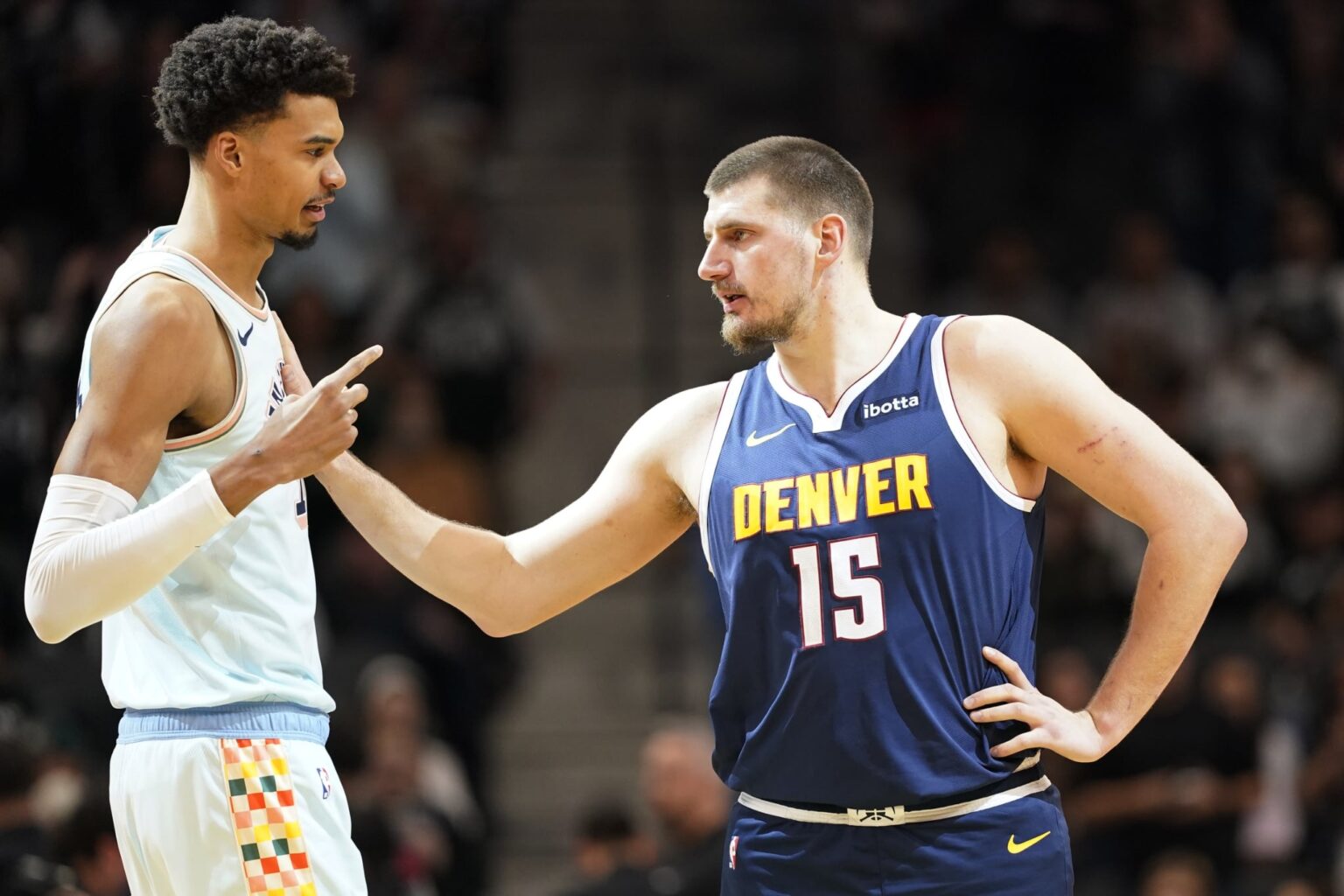
- Nikola Jokic: The frontrunner for a fourth MVP, Jokic is currently sidelined with a hyperextended knee suffered in late December. He must return by January 30 and play nearly every remaining game to stay eligible.
- Giannis Antetokounmpo: With 14 absences already and a recent calf strain, the “Greek Freak” can only miss three more games. He recently called the rule “hard,” noting that “one injury and you’re off the race.”
- Victor Wembanyama: After losing out on DPOY honors last season due to the threshold, “The Alien” is once again in danger of missing the cut for All-NBA and Defensive honors.
If the All-NBA First Team excludes Jokic, Giannis, and LeBron James—who are all currently on pace to miss the cut—the 2026 record books may forever carry an asterisk.
The Financial Fallout
For players, the 65-game rule isn’t just about trophies; it’s about tens of millions of dollars. Many “Supermax” contract escalators are tied specifically to All-NBA selections.
Case Study: Thunder star Jalen Williams recently became ineligible for end-of-season awards after missing 19 games due to wrist surgery. This absence potentially cost the 24-year-old up to $48 million in future contract incentives. Williams noted that while he won’t be “salty” over the money, the rule essentially punishes players for prioritizing long-term health over a hard game count.
The Health Paradox: Incentivizing “Playing Hurt”
Ironically, a rule meant to stop healthy players from sitting out is now incentivizing injured players to suit up prematurely.
- Risk of Re-injury: Players on the bubble of the 65-game mark may feel internal and financial pressure to play through “minor” ailments that could turn into season-ending catastrophes.
- The “Ghost Minutes” Strategy: To circumvent the 20-minute requirement, we’ve seen teams attempt to “manage” players’ minutes within the game, leading to clunky rotations and a diluted on-court product—the exact opposite of what the league intended.
Is There a Middle Ground?
As frustration grows among players and agents, several solutions have been proposed heading into the 2026 offseason:
- The “Injury Buffer”: Introducing a window (e.g., 58–60 games) for players who suffer “verified” major injuries.
- Total Stats vs. Averages: Moving away from per-game averages toward total season impact (points, rebounds, blocks), which naturally rewards availability without a hard cutoff.
- Decoupling Money and Awards: Removing the link between All-NBA selections and Supermax eligibility to take the financial “panic” out of the recovery process.



Author Profile

Latest entries
 EntertainmentSeptember 22, 2026How Much Does Buggy Rental Dubai Cost? Full Price Breakdown
 CasinoSeptember 21, 2026Real Money Blackjack in 2026: Games, Features and Formats
 GamingSeptember 21, 2026Return to Player (RTP) Explained: How Theoretical Payouts and Game Weighting Work
 FashionSeptember 19, 2026Will the 2026 Rugby Kit Launches Prioritise Durability Over “Lightweight” Performance?
About the Author