 0
0
 0
0
When the morning of September 11, 2001, altered the geopolitical and psychological landscape of the United States forever, the world of athletics—like almost everything else in daily life—came to an immediate, total halt. For six days, stadiums stood silent, arenas emptied, and scoreboard lights remained dark. The game seemed utterly insignificant in the face of incomprehensible tragedy.
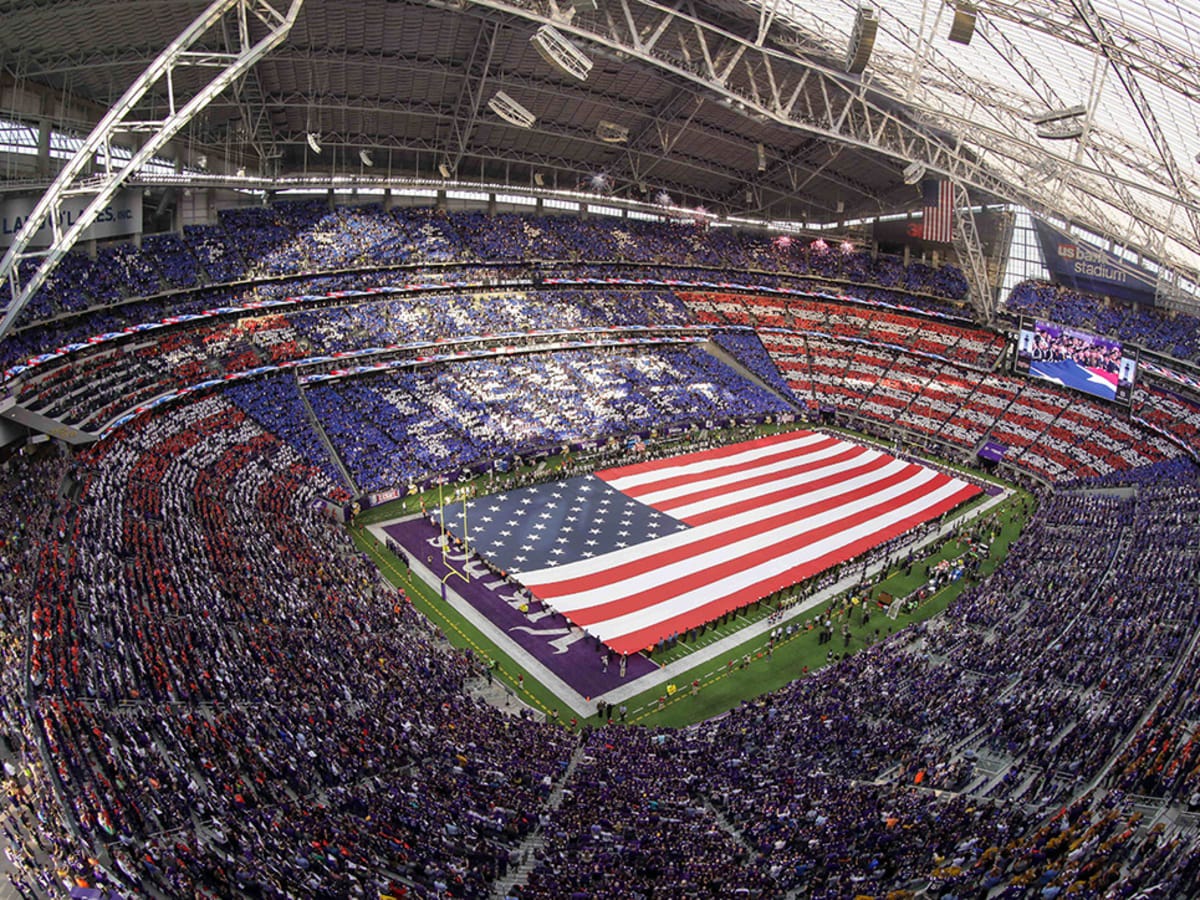
Yet, when American sports returned, they provided the exact fabric the nation needed to begin stitching itself back together. In an era long before social media algorithms fragmented shared national experiences, sports served as a unifying cultural sanctuary. They allowed millions of grieving citizens to gather, stand side-by-side, cry, chant, and eventually, cheer again.
1. Erasing Rivalries and Elevating First Responders
When baseball returned on September 17, standard sports rivalries ceased to exist. At Fenway Park, Boston Red Sox fans stood arm-in-arm singing “New York, New York,” while Chicago and Philadelphia crowds gave standing ovations to visiting New York squads.
Instead of honoring athletes as heroes, teams across the NFL, MLB, and MLS transformed their pregame ceremonies into tributes for firefighters, police officers, and medical personnel. Players shed their team caps to don FDNY and NYPD headwear. The stadium became a neutral ground where shared grief turned into collective strength.
2. The Catharsis of Shea Stadium: Mike Piazza’s Swing
Ten days after the attacks, professional sports returned to New York City at Shea Stadium. The atmosphere was thick with anxiety, sorrow, and heavy security. Firefighters and police officers involved in the Ground Zero recovery efforts lined the field alongside players from both the Mets and the Atlanta Braves.
Trailing 2–1 in the bottom of the eighth inning, Mets catcher Mike Piazza launched a towering, two-run home run off Steve Karsay into the New York night. The explosion of joy inside Shea Stadium was not merely about a baseball game; it was a collective release of suppressed trauma. It gave an entire city permission to exhale, smile, and scream together for the first time in nearly two weeks.
3. “A Perfect Strike”: The Symbolic Return of Normalcy
Six weeks later, as the New York Yankees hosted Game 3 of the 2001 World Series just miles from Ground Zero, President George W. Bush walked out to the mound at Yankee Stadium wearing a navy FDNY pullover over a bulletproof vest. Standing atop the rubber under extreme security precautions, he delivered a crisp, perfect strike to catcher Todd Greene.
The thunderous roar of 57,000 fans reverberating through the Bronx signaled a clear message to the world: America was battered, but it was standing, unbroken, and moving forward.
The Enduring Legacy
The weeks following 9/11 demonstrated the true utility of sports in modern civilization. Athletics do not exist in a vacuum to distract us from reality; rather, they serve as a shared language that bridges political, socio-economic, and regional divides when words fail. In autumn 2001, sports gave a grieving nation a reason to sit in the same room, hold hands, and remember that we were all on the same team.


Author Profile

- CEO NGSC Sports
Latest entries
 WNBAOctober 2, 2026WNBA Playoffs: Aces Eliminate Fever in Game 3 as Questions Surround Clark’s Legacy
 AFCOctober 2, 2026Watson Silences Critics as Browns Outlast Steelers in 27-24 Thursday Night Thriller
 MLBOctober 2, 2026Braves Eliminate Phillies in Game 3, Set Up Blockbuster NLDS Clash with Dodgers
 WNBAOctober 2, 2026Anchor of Atlanta: Angel Reese Named 2026 WNBA Defensive Player of the Year
About the Author