Photo Credit: Facebook
 0
 0
College football continues moving toward another significant transformation. The expansion of the College Football Playoff has sparked questions about the future of conference championship games. For decades, conference championship weekend has provided some of college football’s biggest moments. Teams have celebrated championships, strengthened playoff resumes, and watched their postseason dreams disappear. However, an expanded playoff could change the importance of these games. Conference leaders must consider whether championship contests still justify their place on the calendar.
Eliminating conference championship games offers several advantages. Nevertheless, the decision could also damage traditions, create scheduling problems, and eliminate valuable television revenue. The debate centers on one important question. Would college football become better without conference championship games, or would the sport lose something special?
The Good: Why Canceling Conference Championship Games Makes Sense
Players Would Avoid Another Potential Injury
Player safety provides one of the strongest arguments for eliminating conference championship games. College football already demands tremendous physical sacrifices from its athletes. Teams competing for national championships often play significantly longer seasons than their conference rivals. Every additional game increases exposure to injuries and physical exhaustion. Furthermore, conference championship participants could enter the playoffs with less recovery time than teams receiving additional rest.
Eliminating these games would reduce the physical demands on championship contenders. Coaches could also use the additional preparation time to address injuries and improve their postseason strategies. Most importantly, athletes would avoid another high-pressure contest before beginning their national championship pursuit.
Conference Leaders Would Avoid Punishing Their Best Teams
Conference championship games sometimes create an unusual competitive disadvantage. A team can finish the regular season undefeated and still lose its conference championship. Meanwhile, another playoff contender might remain home and avoid an additional opportunity for defeat. That situation raises questions about fairness. For example, an undefeated conference leader could suffer an injury-filled championship loss. The selection committee might then evaluate that team differently despite its excellent regular season.
Eliminating conference championship games would remove this particular disadvantage. Instead, conferences could reward teams based on their complete regular-season performances. Head-to-head results, conference records, and established tiebreakers could determine championship honors. Additionally, programs would understand their postseason positioning without another championship weekend altering their resumes.

The Expanded Playoff Creates More Opportunities
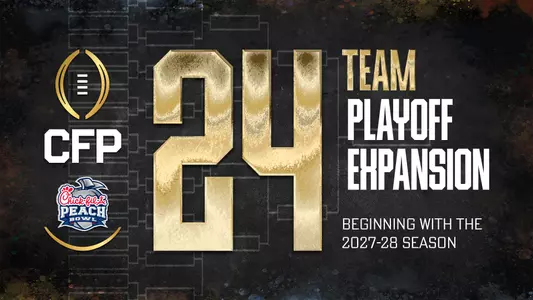
The College Football Playoff officially announced its expansion to 24 teams on November 9, 2026. The new format begins with the 2027 season. Under the format, 19 teams will receive at-large selections. Five additional spots will go to four Power Four champions and the highest-ranked Group of Six program. Furthermore, the top eight seeds will receive first-round byes. The first two playoff rounds will take place on campus, creating 16 postseason home games.
Those changes could make conference championship games less necessary. Teams will have more opportunities to compete for national championships without winning their conferences. Additionally, the expanded field could keep more programs in playoff contention throughout November. That development could increase interest in late-season conference matchups.
More Meaningful Regular-Season Games
Eliminating conference championship games could increase the importance of regular-season conference standings. Instead of preparing for another championship matchup, teams would fight for favorable playoff positions. The new scheduling requirements could also encourage stronger competition. Power Four programs must schedule at least 10 qualifying games against conference opponents, other Power Four programs, or Notre Dame.
Meanwhile, Group of Six programs face similar requirements involving qualifying opponents. Consequently, teams could have fewer opportunities to strengthen their resumes against weak competition. Additionally, programs would have more incentive to schedule meaningful games throughout the season.
Financial Benefits Could Support the Expanded Playoff
Money remains one of college football’s biggest driving forces. ESPN reportedly agreed to provide another $1.7 billion over five years for the expanded playoff. That agreement could help offset the substantial television revenue conferences will lose without championship games. According to Associated Press reporting, Power Four championship games carried an estimated annual value of $345 million.
However, the additional playoff inventory provides television networks with more nationally relevant postseason matchups. Therefore, conference administrators see opportunities to replace championship-game revenue through the expanded postseason. The financial arrangement could also provide greater stability for participating conferences.
The Bad: Why Canceling Conference Championship Games Hurts College Football
College Football Loses Another Important Tradition
College football has always separated itself from professional sports through its traditions. Rivalries, marching bands, historic stadiums, and conference championships have shaped the sport for generations. However, eliminating championship games removes another important part of that identity. The SEC introduced its championship game in 1992 when Alabama defeated Florida, 28-21. Since then, the conference has produced numerous unforgettable championship moments. The 2008 SEC Championship featured Florida defeating Alabama, 31-20.
That victory helped propel the Gators toward their second national championship in three seasons. Additionally, other conferences created their own championship traditions over the following decades. The SEC has confirmed that its December 5, 2026, championship will be its final edition. Although the playoff expansion offers additional opportunities, it cannot completely replace those historic moments.
Conference Championships Could Lose Their Meaning
Winning a conference championship represents a major accomplishment for college football programs. Players spend entire seasons pursuing that goal, even when national championship opportunities remain unrealistic. However, eliminating championship games changes how conferences recognize their best teams. Conference officials could determine champions through standings and tiebreakers rather than head-to-head championship contests. That approach creates potential controversy when teams finish with identical conference records.
Furthermore, unbalanced schedules could make those comparisons more difficult. One team might face several nationally ranked opponents while another encounters an easier conference schedule. Both programs could finish with identical records despite facing significantly different competition. Without a championship matchup, fans might question whether the conference crowned its strongest team. Consequently, conferences must establish transparent procedures for determining their champions.
Smaller Programs Lose Their Biggest Spotlight
Conference championship weekend has traditionally provided national exposure for programs outside college football’s biggest brands. For some schools, reaching a conference championship represents their most significant achievement in years. Those appearances also create valuable opportunities for recruiting, fundraising, and alumni engagement. However, eliminating championship games removes a major television showcase for those programs. Consider a team that finishes second in its conference but misses the expanded playoff.
Previously, that program might still compete for a conference championship. Under a system without title games, its season could end without another opportunity to win hardware. Additionally, smaller conferences could struggle to attract national attention during an increasingly crowded postseason. The expanded playoff creates opportunities, but it cannot guarantee equal exposure for every program.
Fans and Host Cities Could Lose Something Special
Conference championship games generate excitement beyond the football field. Thousands of fans travel to championship destinations to support their schools. Hotels, restaurants, transportation companies, and local businesses benefit from those visitors. Atlanta has hosted the SEC Championship since 1994, making the event a significant annual tradition. The game moved into Mercedes-Benz Stadium in 2017. However, eliminating championship games removes that annual event from host-city calendars.
Although expanded playoff games could create economic opportunities elsewhere, those benefits would reach different communities. Furthermore, fans could lose annual championship-weekend traditions that connect generations of supporters. College football should recognize those consequences before celebrating the financial benefits of expansion.
The Selection Committee Could Gain Too Much Influence
Another major concern involves the College Football Playoff selection committee. Without championship games, the committee could face additional challenges comparing teams with similar records. Strength of schedule, head-to-head results, injuries, and overall performance would influence those evaluations. However, subjective decisions have already generated considerable controversy. Florida State’s exclusion from the four-team playoff in 2023 remains one of the clearest examples.
The undefeated Seminoles won the ACC Championship but failed to receive a playoff invitation. Expanding the field should reduce some controversy surrounding postseason access. Nevertheless, determining which teams deserve higher seeds and first-round byes will remain difficult. Eliminating conference championship games also removes a direct comparison between two leading conference contenders. Consequently, fans could face even more debates about rankings and playoff positioning.
The Regular Season Could Lose Some Drama
College football’s regular season has traditionally carried enormous importance. A single conference loss can determine whether a team reaches its championship game. However, eliminating those contests could change the stakes of certain late-season matchups. Consider two teams that have already secured favorable playoff positions. Without a conference championship appearance at stake, those programs might prioritize player health over improving their standings.
Coaches could consider resting injured starters before the postseason. Meanwhile, rivalry games would retain their historical importance, but some conference races might lose their traditional conclusions. The expanded playoff could create more meaningful games for teams near the postseason cutoff. Nevertheless, it might reduce the urgency surrounding certain matchups between established contenders. College football must balance increased postseason access with preserving regular-season excitement.
Final Verdict: College Football Gains Opportunity but Loses Tradition
Eliminating conference championship games creates legitimate advantages for college football. Players could benefit from additional rest, while more programs gain opportunities to pursue national championships. Furthermore, the expanded playoff could generate substantial revenue and introduce postseason football to more campuses. However, college football must also recognize what it sacrifices. Conference championships have produced unforgettable memories, celebrated outstanding teams, and strengthened generations of rivalries.
Removing those contests also raises questions about how conferences will recognize their champions. Importantly, the CFP’s official announcement leaves championship-game decisions to individual conferences. The SEC has already confirmed its final game for 2026. Therefore, not every conference’s future arrangement should be treated as identical. The strongest argument for eliminating championship games involves player safety and avoiding unnecessary postseason disadvantages.
Meanwhile, the strongest argument against elimination involves preserving meaningful championships beyond the national title. College football should never forget that winning a conference championship matters to players, coaches, and fans. Ultimately, the 24-team playoff represents another significant evolution for the sport. Whether eliminating conference championship games improves college football will depend on what replaces them. More playoff opportunities sound exciting, but bigger does not automatically mean better. The sport must protect the traditions that made college football special while embracing its changing future.



Author Profile

-
Bradley Walker (VP) and Head of our Florida operations for NGSC Sports, bringing extensive experience across collegiate, professional, and amateur athletics. His coverage spans USF Athletics, including football, baseball, lacrosse, and softball, as well as University of Tampa baseball.
Bradley also provides coverage of minor league baseball with the Clearwater Threshers and Major League Baseball with the Tampa Bay Rays. On the national stage, he covers college football bowl games and conference championship matchups, along with premier golf events across the PGA Tour, LIV Golf, and LPGA Tour.
In addition to his reporting work, Bradley is the play-by-play announcer for Pinellas Park High School Patriots football, lending his voice and insight to Friday night lights.
He is also an active podcast host and contributor, serving as a host on The Walker Report, where he delivers in-depth sports analysis, interviews, and coverage across multiple levels of competition.
Latest entries
 NFLNovember 12, 2026 at 12:30 amBuccaneers Ring of Honor: Who Deserves the Next Spot?
 NCAAFNovember 12, 2026 at 12:25 amCanceling Conference Championship Games: The Good and Bad
 LIVNovember 12, 2026 at 12:20 amBryson DeChambeau Stands by LIV Golf Decision Despite League’s Collapse
 NFLNovember 12, 2026 at 12:15 am2026 NFL Head Coaching Hires: Midseason Re-Grades
About the Author