
 0
0
 0
0
Starting a skincare line can look simple from the outside. Choose a few products, create packaging, build a website, and begin selling. In practice, each of those steps depends on earlier decisions about customers, formulas, production quantities, packaging, and product testing.
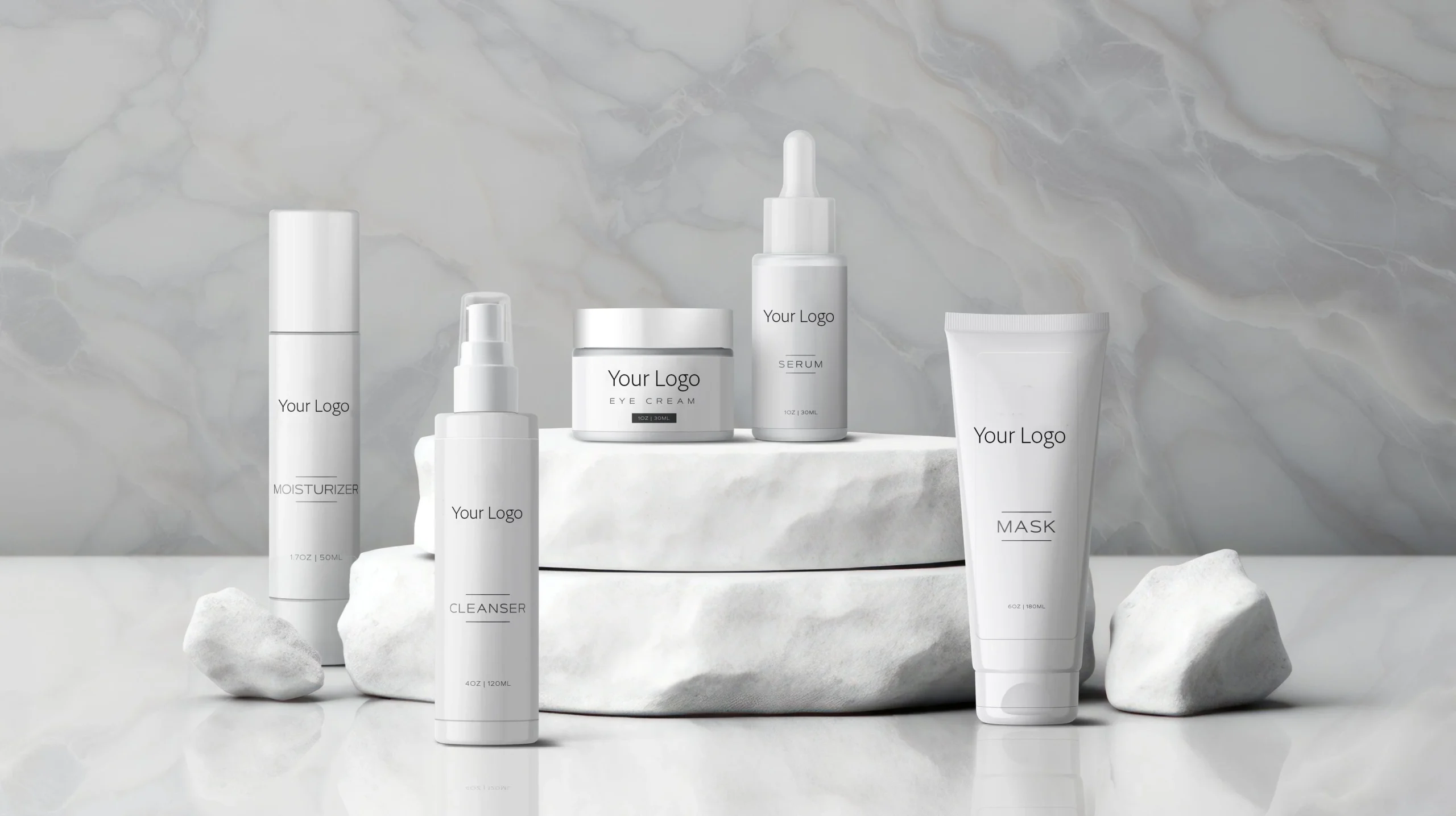
Businesses exploring private label skin care can avoid many early problems by planning the product line before placing a large order. Manufacturers such as Rainshadow Labs may handle parts of the production process, but the brand owner still needs a clear idea of what to sell, how much to order, and how the products should fit together.
Here are seven areas worth reviewing before production begins.
1. Know Who Will Buy the Products
A skincare line should be created for a specific type of customer rather than for everyone.
Think about the person’s routine, concerns, preferences, and budget. A simple three-product line for people who want an easy daily routine will look very different from a collection built around rich masks, serums, and specialty treatments.
Customer expectations can influence several choices, including:
- Product texture
- Fragrance
- Container size
- Packaging style
- Number of products
- Price range
Having a clear customer in mind also makes formula selection easier.
For example, someone creating products for a simple morning routine may focus on a cleanser, moisturizer, and another everyday product instead of launching ten unrelated items.
2. Start With a Focused Range
New brands sometimes assume that a larger product catalog makes the business look more established. It can also create more inventory, packaging costs, labels, and production decisions.
A focused range is often easier to manage.
Products should have a reason to exist together. A cleanser and moisturizer, for example, can naturally form part of the same routine. Adding products simply to increase the size of the catalog can make the collection feel disconnected.
Think about how each item supports the rest of the line.
A smaller range also gives the brand time to learn what customers actually buy. Sales data can then guide future product development instead of relying entirely on guesses made before launch.
3. Compare Formula Options
One of the biggest decisions is whether to use an existing formula or develop something more customized.
Private label skin care often allows a business to select formulas that have already been developed by a manufacturer. This can reduce some of the work involved in creating a product from the beginning.
Custom formulation follows a different path. The brand may request certain textures, ingredients, product characteristics, or other changes. More development work may be needed before the formula is ready for production.
The choice depends on the project.
A new business that wants to test demand may prefer an existing formula. A brand with a very specific product concept may need greater customization.
Before choosing either route, ask what can actually be changed. Do not assume that every existing formula can be modified in any way without affecting the development process.
4. Understand Minimum Orders
Production quantity affects both cost and inventory.
Manufacturers often have minimum order quantities because producing very small batches may not be practical. Those minimums can differ depending on the formula, package, filling process, and type of project.
Brand owners should understand these requirements before finalizing a large product range.
Imagine launching six products that each require separate minimum quantities. The total inventory commitment can become much larger than expected.
It is usually better to calculate the full order rather than looking at one product at a time.
Consider how many units will be produced, where they will be stored, how quickly they may sell, and how much money will remain tied up in unsold stock.
A realistic first order should match the brand’s ability to sell and manage the inventory.
5. Check Packaging Early
Packaging decisions should not be left until the formula is finished.
The product and container need to work together.
A thick body cream may need a jar or another package that can handle its texture. A lighter lotion may work better with a pump. Thin liquids require containers and closures that reduce leaking and make dispensing easier.
Brands should think about practical use as well as appearance.
Ask how easy the container is to open, hold, store, and use. Customers may become frustrated with attractive packaging if the product is difficult to dispense.
Packaging can also affect label design.
A small bottle gives the designer less room for directions and required information. Curved containers may create different layout challenges from flat-sided packaging.
Companies working with manufacturers such as Rainshadow Labs should discuss packaging compatibility before ordering large quantities of containers.
6. Review Testing and Quality Procedures
Skincare products need more than an appealing formula.
Brands should understand what testing and quality checks are connected to the product they plan to sell.
Testing needs vary depending on the formula and market. Different products can require different types of evaluation before they are ready for sale.
Ask the manufacturer what has already been completed and what remains the brand’s responsibility.
Quality procedures should also be discussed.
Brand owners may want to know how batches are checked during production, how finished products are reviewed, and how consistency is monitored.
These questions are easier to address before production than after thousands of units have already been filled.
7. Plan Labels and Timing
Labels often take longer to finish than expected.
A product label may need the product name, ingredient information, directions, warnings, net contents, business details, and other information required for the intended market.
The design must also fit the actual container.
Avoid creating final artwork before the package dimensions are confirmed. Even a small difference in bottle or jar size can affect how a label fits.
Production timing deserves the same attention.
Formula approval, packaging orders, artwork, label printing, filling, and final preparation all need to happen in the correct order. A delay in one area can affect the planned launch date.
Build the schedule around the production process rather than choosing a launch date first and trying to force every step into it.
Conclusion
Starting a skincare line requires more preparation than simply selecting products and creating a brand name. Customer needs, formula choices, order quantities, packaging, testing, labels, and production timing all affect the final result.
A focused plan makes those decisions easier to manage.
Start with a clear customer, choose products that belong together, understand the manufacturing requirements, and confirm packaging and labels before larger orders are placed. Careful preparation at the beginning can prevent unnecessary changes once production is already underway.


Author Profile

Latest entries
 The HubOctober 10, 2026How Digital Marketing and Smart Budgeting Are Transforming the Sports Industry
 Online BettingOctober 9, 2026Lambabet and the Main Bonuses for New Players
 Online BettingOctober 9, 2026Dodgers vs Brewers Props Guide: Home Run Threats, Power Bats and Key Factors
 MMAOctober 7, 2026Petr Yan vs. Merab Dvalishvili III: A Trilogy Built on Chaos, Cardio, and Championship Stakes
About the Author