 0
0
 0
0
Walk past any youth sports field on a weekend, and you’ll hear it: the scores being shouted, the rankings being compared, the quiet math parents do about who’s moving up. Competition is exciting, and it’s easy to get swept up in it. But what a child is really building out there goes far beyond what the scoreboard shows.
When young athletes learn to move well, feel coordinated, grow in confidence, and genuinely enjoy being active, they’re laying a foundation that can keep them playing for years. Parents and coaches can make a big difference by treating movement development as a core part of training, not something that gets squeezed out by the pursuit of wins.
Movement Skills Come First
Before a child can master the finer points of any sport, they need the basics. Running, jumping, balancing, throwing, catching, changing direction, and landing safely show up in almost every game kids play.
Think about it: a basketball player has to speed up and stop with control. A soccer player needs steady balance while cutting past a defender. A volleyball player depends on good coordination every time she jumps and lands.
The good news is that these skills grow gradually, through practice and play.
For younger children, this doesn’t have to look like a formal training session. Games that get them running, hopping, balancing, and coordinating are often the best teachers, and kids barely notice they’re learning. If you’re looking for ideas, these athletic games for kids mix physical activity with plenty of fun.
Why Variety Is Good for Young Athletes
It’s tempting to specialize early. When a child shows real talent in one sport, many parents naturally want to nurture it right away. But trying different activities helps children build a wider range of movement skills, and that often serves them better in the long run.
A child who loves soccer might gain a lot from swimming, gymnastics, running, or simple backyard games. A young basketball player can pick up useful coordination from activities that have nothing to do with the court. Each sport challenges the body in its own way, and that keeps things interesting.
Variety also keeps training from feeling like a chore. When kids enjoy what they’re doing, they’re far more likely to stay with it.
Balance, Coordination, and Body Awareness
Good athletes understand how their bodies move through space, and that understanding starts young.
Balance helps a player stay in control when changing direction or taking a bump. Coordination lets different parts of the body work together smoothly. Body awareness gives athletes a sense of where they are and how they’re moving.
None of this requires fancy equipment. Balance challenges, obstacle courses, relay races, jumping patterns, and quick reaction games all work well in a practice session.
These activities don’t need to be complicated, either. A thoughtfully designed game can test an athlete physically and still feel like fun.
Mobility and Flexibility Aren’t the Same Thing
How well a child moves also depends on having a healthy range of motion and on being able to control it.
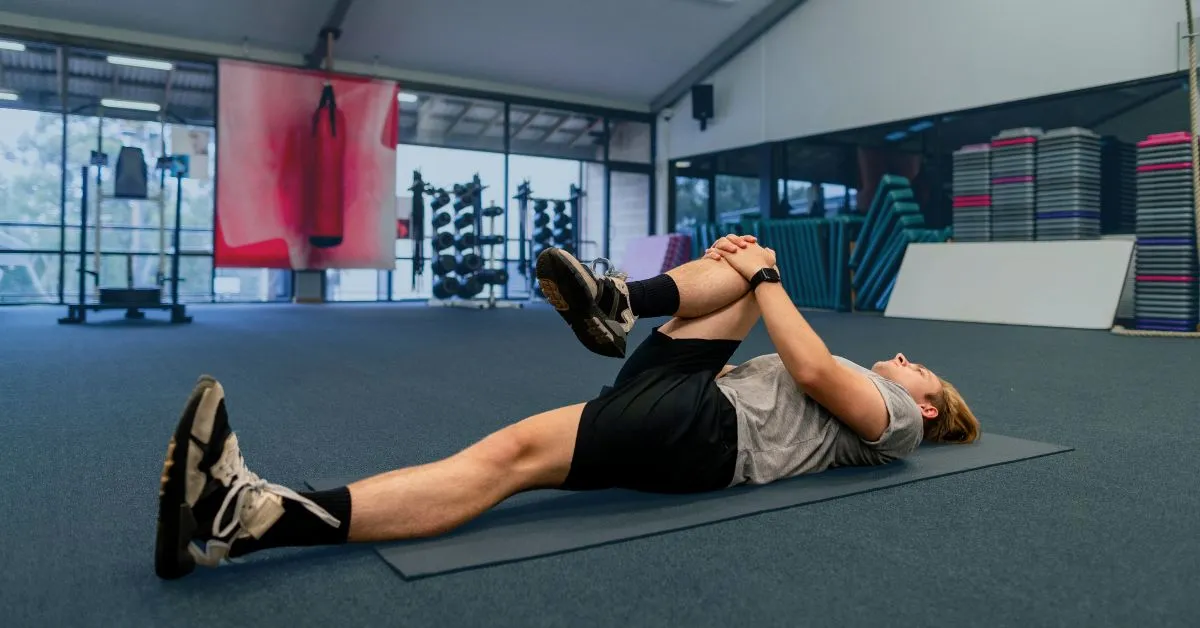
The two ideas are related but different. Flexibility is about how far a muscle or joint can stretch. Mobility is about actively controlling movement through that range. Getting familiar with mobility vs. flexibility can help athletes and coaches think more carefully about warming up and preparing the body.
Instead of treating stretching as a one-size-fits-all fix, coaches can look at what the sport actually demands and what each athlete needs.
Strength Should Support Movement
Strength training can have a place in youth athletics, as long as it’s age-appropriate and properly supervised.
For younger kids, bodyweight activities are plenty: squats, crawling, climbing, controlled jumps, and simple balance work. As children mature, structured resistance training can be added gradually, with qualified guidance.
The goal isn’t to turn kids into miniature professionals. It’s to help them move well, feel more confident, and get their bodies ready for the activities they love.
Keep Training Fun
One of the quickest ways to lose a young athlete is to make every session feel like a test.
Children tend to thrive on variety, games, encouragement, and the freedom to explore different movements. Coaches can absolutely bring in some friendly competition, as long as winning isn’t the only way to measure success.
A relay race builds speed and teamwork. An obstacle course tests balance and coordination. A reaction game sharpens agility. A partner challenge gets kids talking to each other.
Activities like these keep practice fresh while still building real athletic skills.
Recovery Is Part of Development
Young athletes need time to rest, too.
Between school, training, games, travel, and everything else, a child’s week can fill up fast. Sleep, rest, hydration, good nutrition, and sensible training loads all help them keep playing consistently and feeling good.
Parents and coaches should take notice if a child mentions ongoing pain, seems unusually tired, or suddenly isn’t performing the way they used to. No young athlete should feel they have to hide a physical problem just to stay on the team.
A healthy training environment looks after both development and enjoyment.
How Parents Can Build Healthy Habits
A parent’s role goes well beyond driving to practice and cheering from the sidelines.
You can encourage your child to stay active outside organized sports, make room for free play, celebrate effort rather than just results, and help them keep a healthy perspective on competition.
Family activities help too. A walk, a bike ride, a swim, a game of catch, or a silly backyard game can show children that being active is something to enjoy, not something you only do to win.
Success Is About More Than Winning
Results matter in sports, but they’re only one piece of a young athlete’s growth.
A child who picks up a new skill, grows more confident, becomes a better teammate, handles a tough loss with grace, or simply falls in love with being active is making real progress.
When coaches notice and celebrate these moments, children learn that improvement is a journey, not a single final score.
Building Athletes for the Long Run
Youth sports can give children so much more than competition. They can learn how to move, work together, practice patiently, bounce back from setbacks, and take joy in being active.
The strongest foundation comes from combining basic movement skills with age-appropriate strength, mobility, coordination, proper recovery, and lots of play.
The scoreboard will always tell us who won today’s game. But the habits young athletes build along the way will shape how they approach sports and an active life for many years to come.


Author Profile

Latest entries
 healthOctober 4, 2026Building Better Young Athletes: Why Movement Matters Beyond the Scoreboard
 HomeOctober 3, 2026Rodents in Your Walls? Here’s How to Take Back Your Home
 HockeyOctober 1, 2026From the Rink to the Sunbelt: Why Youth Hockey Is Gaining Momentum Across America
 FitnessSeptember 30, 2026How Protein Supports Different Types of Fitness Goals
About the Author