Photo Credit: CBS Sports
 0
0
 0
0
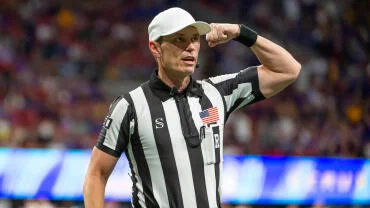
College football will change its targeting penalty structure in 2026. The NCAA approved the change as a one-year trial. The new structure focuses more on repeat offenses. However, the basic targeting rule remains in place. Players can still face disqualification after a targeting foul. The biggest change comes after that disqualification. First-time offenders will no longer face an automatic suspension. Instead, players can return for their team’s next game. That applies regardless of when the targeting foul occurs. The NCAA approved the change through its Division I Football Bowl Subdivision Oversight Committee. The new structure applies during the 2026 season.
First Targeting Offense
The first targeting offense now carries a different consequence. A player who receives a targeting disqualification will leave the current game. However, the player can return for the next contest. That represents a major change from previous seasons. Previously, a second half targeting foul caused a player to miss the first half. The new rule removes that automatic next-game penalty. The change applies to a player’s first targeting offense. Therefore, coaches must track targeting penalties throughout the season. The NCAA wants the new structure to create a progressive penalty system.
Second Targeting Offense
The consequences become more serious after a second targeting violation. A player disqualified for targeting a second time must miss the first half. That suspension applies to the team’s next game. So, the first offense ends with the current game. The second offense adds a next-game suspension. That difference gives teams another reason to emphasize proper tackling technique. It also creates a clear escalation for repeat offenders. The NCAA previously used a different structure for second half targeting fouls. The new system makes the progression easier to follow.
Third Targeting Offense
A third targeting offense carries the harshest penalty. Any player disqualified for targeting three times must miss the entire next game. That creates a clear three-step progression. The first offense means no next-game suspension. The second offense means a first-half suspension. The third offense means a full-game suspension. Interestingly, no player received three targeting disqualifications during the 2025 season. Therefore, the third-offense penalty may rarely come into play. Still, the NCAA wants repeat violations to carry increasingly serious consequences.
Appeals Process Also Remains Important
The new rule also includes an appeals option. A conference can initiate an appeal after a player’s second targeting offense. The appeal can cover both the first and second offenses. The NCAA national coordinator of football officials handles the video review. If officials overturn the call, the player avoids the first-half suspension. That process gives conferences another way to correct questionable targeting decisions. It also recognizes the importance of accurate replay reviews. Targeting calls can change games quickly. Therefore, getting those decisions right remains critical.
Why The NCAA Made the Change
The NCAA described the adjustment as part of targeting’s continued evolution. The organization wants to balance player safety with an appropriate penalty structure. Targeting rules have changed several times since their introduction. The NCAA originally added an automatic ejection to the targeting penalty in 2013. The current rule still protects players from dangerous contact. However, the 2026 structure changes the punishment for repeat offenses. That distinction matters. The NCAA did not eliminate targeting ejections. Instead, it changed what happens after the ejection.
What Coaches and Players Need to Know
Coaches will need to track targeting penalties carefully in 2026. A first offense no longer creates a next-game suspension. However, another targeting call changes the situation. Players also need to understand the importance of clean tackling. One mistake can remove a player from the current game. A second mistake can cost him the first half of the next game. A third offense can cost an entire game. That progression should encourage players to adjust their technique.
A One-Year Experiment
The NCAA approved the targeting change for the 2026 season only. That makes this a one-year trial. The NCAA will have an opportunity to evaluate the results afterward. Officials can study targeting numbers throughout the season. They can also examine whether the new structure changes player behavior. For now, college football enters 2026 with a significant targeting adjustment. The rule still emphasizes player safety. However, the punishment now increases with repeated offenses. That could make targeting decisions even more important throughout the season. For players, the message remains simple. Protect yourself and your opponent. The first mistake can cost you the rest of the game. The next one can cost you more.



Author Profile

-
Bradley Walker (VP) and Head of our Florida operations for NGSC Sports, bringing extensive experience across collegiate, professional, and amateur athletics. His coverage spans USF Athletics, including football, baseball, lacrosse, and softball, as well as University of Tampa baseball.
Bradley also provides coverage of minor league baseball with the Clearwater Threshers and Major League Baseball with the Tampa Bay Rays. On the national stage, he covers college football bowl games and conference championship matchups, along with premier golf events across the PGA Tour, LIV Golf, and LPGA Tour.
In addition to his reporting work, Bradley is the play-by-play announcer for Pinellas Park High School Patriots football, lending his voice and insight to Friday night lights.
He is also an active podcast host and contributor, serving as a host on The Walker Report, where he delivers in-depth sports analysis, interviews, and coverage across multiple levels of competition.
Latest entries
 SportsOctober 14, 2026Next Step in Realignment: James Madison Accepts Invitation to Join the American Conference
 FootballOctober 12, 2026Bucs Stun Cowboys, Snap Losing Skid
 FootballOctober 11, 2026South Carolina Stuns Florida in SEC Showdown
 BasketballOctober 11, 2026SEC Hoops Picks: Florida Leads
About the Author