Photo Credit: si.com
 0
0
 0
0
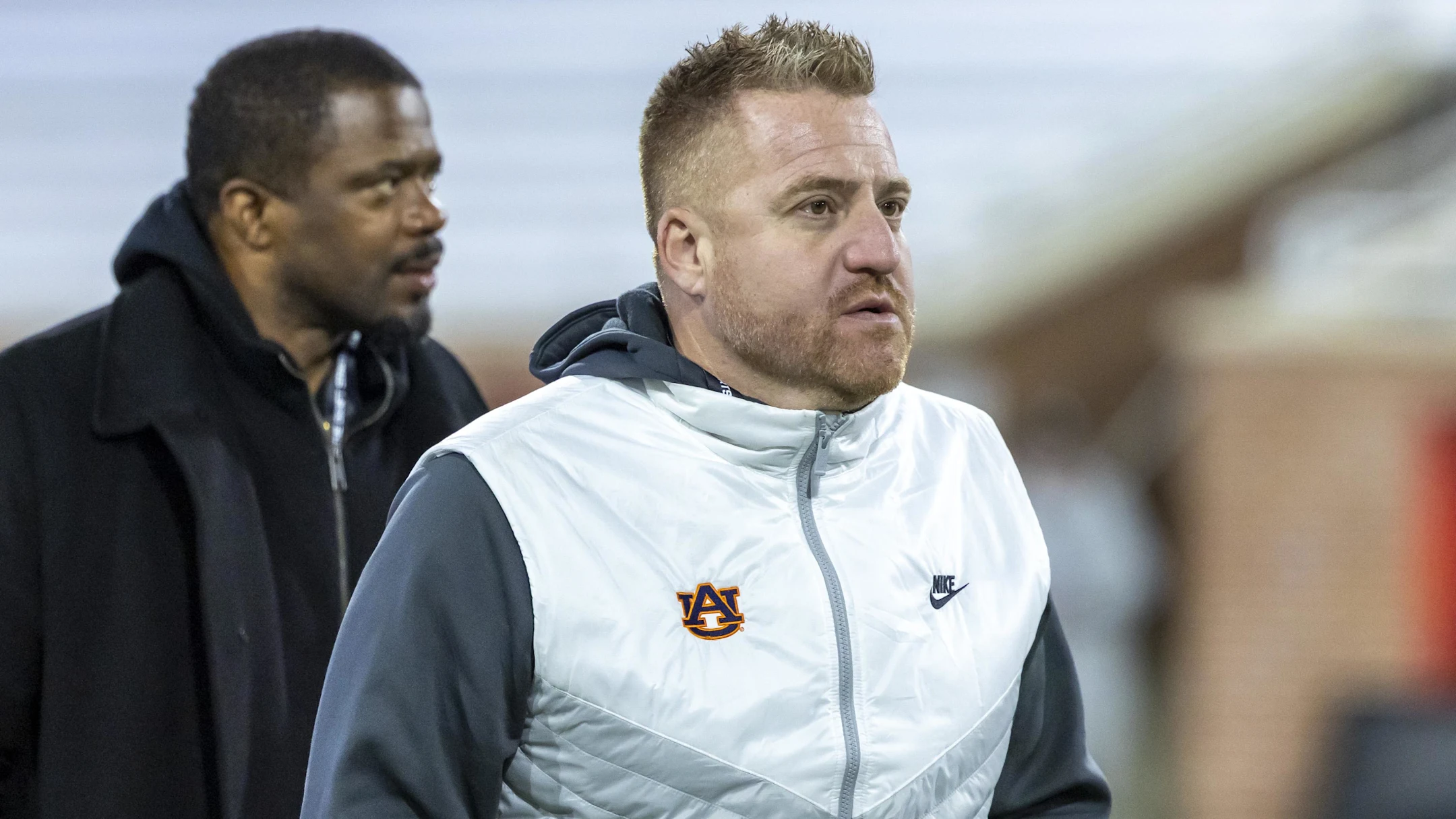
Alex Golesh helped revive USF football, but his recent comments angered many Bulls fans. The article explains why his words created such a strong reaction. Golesh arrived at USF when the program was in terrible shape. The Bulls had won only four games in three seasons. Charlie Strong and Jeff Scott left the roster thin and the program unstable. USF hired Golesh to rebuild everything from the ground up. He accepted his first college head coaching job and embraced the challenge. Golesh quickly changed the culture inside the program. He brought energy, confidence, and a clear plan for improvement. USF became tougher, more organized, and far more competitive under his leadership. His work restored belief in a program that had badly lost direction.
That turnaround also raised his profile across college football. During his time in Tampa, Golesh often praised USF’s potential. He said the school had the resources needed to compete nationally. Golesh pointed to facilities, recruiting advantages, and institutional support. He spoke often about building something meaningful at USF. Those comments helped fans buy into his vision. That is why his departure for Auburn felt understandable at first. Auburn offered more money, more tradition, and SEC exposure. It also gave Golesh a chance to test himself at a higher level. Most USF fans understood why he took that opportunity. Many accepted the move even if they hated losing him. The frustration began after his exit, not during it. Golesh told USA Today that Auburn could win a national title. Then he contrasted that with what he believed about USF.
He said everyone knew USF would never reach that level. That comment triggered immediate backlash from Bulls fans. The article argues Golesh crossed an unnecessary line. Leaving for Auburn made sense and needed no defense. He could have praised Auburn without dismissing USF. Instead, he insulted the school that launched his rise. That decision made many fans feel betrayed. The writer sees Golesh’s remark as both arrogant and shortsighted. He believes Golesh ignored the role USF played in his success. USF gave him his first major chance as a head coach. The program gave him room to grow and prove himself. Without that opportunity, Auburn likely never calls. The article also notes the timing felt especially poor. Golesh made the comment after building real momentum at USF.
The Bulls had improved enough to raise expectations. They had become relevant again in the American Conference race. That progress made his dismissal feel even more insulting. The writer points out USF missed a major opportunity last season. The Bulls could have reached the playoff with stronger late results. They blew a fourth quarter lead against Memphis. They also failed to finish against Navy. Those losses kept USF from taking another major step. No one claims USF was ready for a national title last year. The article makes that point very clear. Still, reaching the playoff would have mattered greatly. It would have shown real progress and national credibility.
It also would have strengthened the long-term vision. That vision remains central to the article’s argument. He sees a program with growing ambition and serious support. Higgin’s believes the school is building toward something much bigger. He does not view national relevance as unrealistic. Former athletic director Michael Kelly supports that idea. He argued power conferences should watch USF closely. He believes outsiders underestimate where the school is heading. The article uses that point to support future expansion hopes. USF wants more than Group of Five status. The writer also highlights current athletic director Rob Higgins.
He presents Higgins as a leader pushing aggressive growth. Higgins has backed major investment across the athletic department. That includes strong support for football and other sports. The article frames this as proof of serious intent. The writer points to basketball as evidence of that progress. USF men’s basketball has won two league titles recently. The program also battled Louisville in the NCAA tournament. That success shows USF can compete at a high level. The article uses it as proof the department is rising. New football coach Brian Hartline also reflects that momentum.
He bought into the school’s long-term vision. That vision comes from Higgins and trustee chair Will Weatherford. Their message is simple and aggressive. USF may not win a national title this season. The idea that such dreams are impossible. USF can reach a power conference soon. In the end, the article says Golesh missed the bigger picture. USF remains a program in progress, not a finished product. Its climb continues with or without him. The process still moves forward, and many Bulls fans still believe.



Author Profile

-
Bradley Walker (VP) and Head of our Florida operations for NGSC Sports, bringing extensive experience across collegiate, professional, and amateur athletics. His coverage spans USF Athletics, including football, baseball, lacrosse, and softball, as well as University of Tampa baseball.
Bradley also provides coverage of minor league baseball with the Clearwater Threshers and Major League Baseball with the Tampa Bay Rays. On the national stage, he covers college football bowl games and conference championship matchups, along with premier golf events across the PGA Tour, LIV Golf, and LPGA Tour.
In addition to his reporting work, Bradley is the play-by-play announcer for Pinellas Park High School Patriots football, lending his voice and insight to Friday night lights.
He is also an active podcast host and contributor, serving as a host on The Walker Report, where he delivers in-depth sports analysis, interviews, and coverage across multiple levels of competition.
Latest entries
 BasketballSeptember 27, 2026USF Women’s Basketball Enters a New Era
 BasketballSeptember 27, 2026USF Names James and Wilson Basketball Captains
 BasketballSeptember 27, 2026USF Men’s Basketball Enters New Era in 2026-27
 FootballSeptember 27, 2026Florida Runs Past Ole Miss in The Swamp
About the Author