 0
0
 0
0
As the WNBA enters its most transformative season yet, the excitement surrounding record-breaking salaries and a massive $7 million salary cap is being met with a quiet, uneasy reality for the league’s middle-class veterans. While the new Collective Bargaining Agreement (CBA) has opened the door for million-dollar contracts, it has also created a financial landscape where teams are increasingly forced to choose between a seasoned pro and a younger, cheaper alternative.
The Math of the New CBA
Under the 2026 CBA, the salary floor has shifted dramatically. A rookie drafted in the third round now earns a minimum of $270,000. While that is a life-changing increase, it creates a “cap squeeze” when compared to veterans.
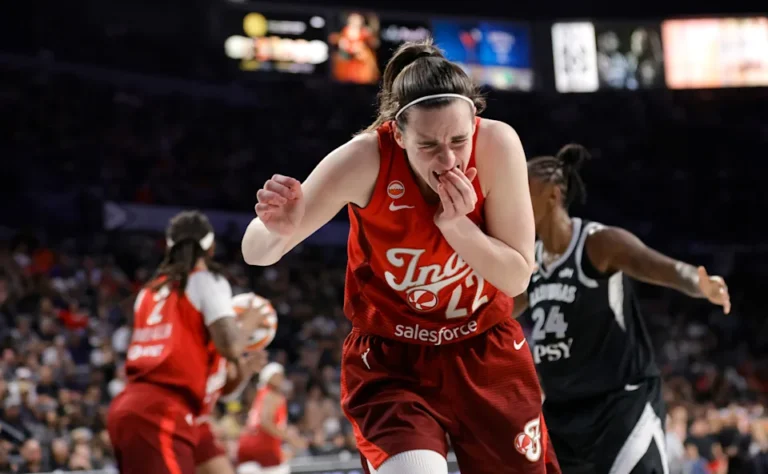
A veteran with over three years of experience now commands a minimum of $300,000, with many middle-tier vets expecting between $400,000 and $600,000. When a team is trying to fit “Supermax” stars like A’ja Wilson or Caitlin Clark—who both saw significant raises under the new revenue-sharing model—onto the roster, the difference between a $500,000 veteran and a $270,000 rookie becomes the difference between signing a quality bench and signing a superstar.
“Teams are looking at the production-to-cost ratio more than ever,” says one anonymous league executive. “If I can get 70% of a veteran’s production from a rookie at nearly half the cost, the cap almost dictates that I take the rookie.”
Big Names Still Navigating the Market
This financial math is likely why several household names remain unsigned as training camps prepare to open. These aren’t just “end-of-bench” players; they are former MVPs and All-Defensive stars who find themselves in a game of musical chairs.
- Emma Meesseman: The 2019 Finals MVP returned to the WNBA in 2025 and had a phenomenal season with the New York Liberty, averaging 13.4 points and 5.1 rebounds. However, with the Liberty re-signing their “Big Three” to massive deals and adding Satou Sabally in free agency, fitting Meesseman’s market value back into the cap has become a complex puzzle.
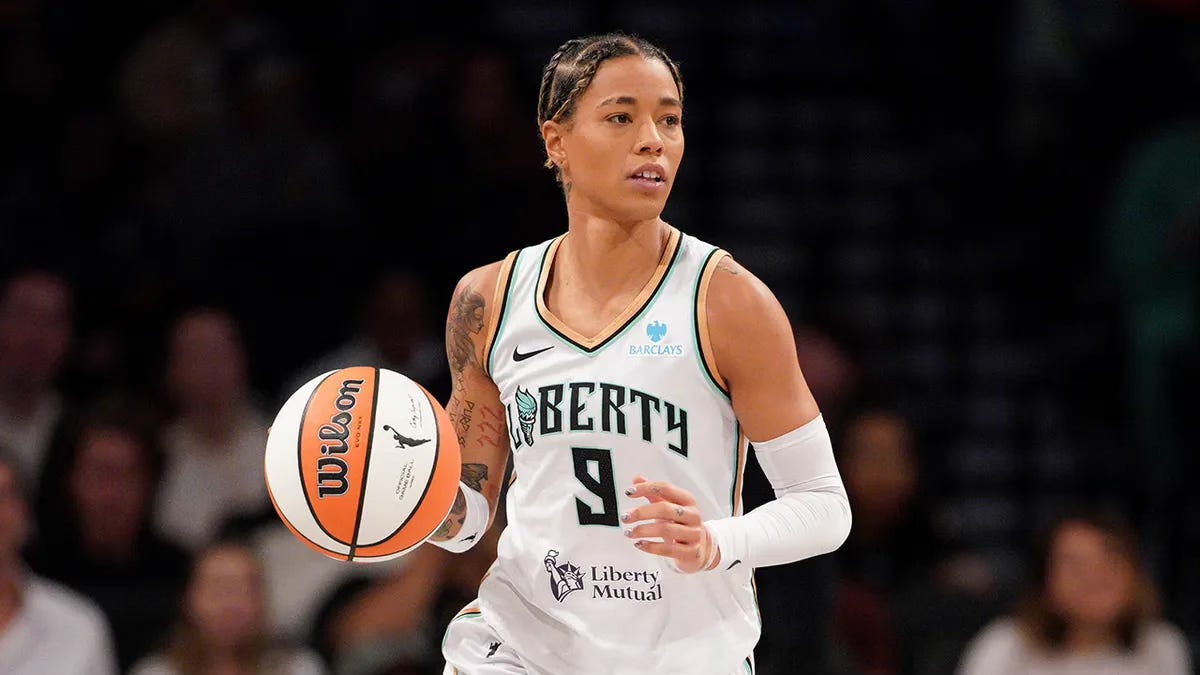
- Natasha Cloud: A fan favorite in New York last season, Cloud remains one of the most polarizing free agents. Despite her elite playmaking (5.1 APG) and defensive prowess, her vocal role in CBA negotiations and her expected salary have made teams hesitant to pull the trigger. As training camps begin tomorrow, the “defensive pest” is still looking for a locker room.
- Tina Charles: One of the greatest centers in history, Charles averaged 16.3 points for the Connecticut Sun last season. While she has expressed a desire to return for her 15th season, the Sun are in their final year in Connecticut before moving to Houston. With teams prioritizing younger, more mobile frontcourt players at a lower price point, Charles remains a marquee name without a contract.
The “Rookie-First” Shift
The 2026 Draft class—led by #1 pick Azzi Fudd ($500,000 base salary)—is the first to benefit from the 500% increase in rookie wages. Because these rookies are locked into “Rookie Scale” contracts, they are effectively “cost-controlled” assets.
For teams like the Indiana Fever or Las Vegas Aces, filling the 11th and 12th roster spots with rookies isn’t just a scouting preference; it’s a mathematical necessity to keep their core together.
The Bottom Line
The new CBA is a massive win for player wealth, but it has inadvertently turned the WNBA into a “Stars and Scrubs” financial model. The veteran who used to be the “glue” of a locker room is finding that her experience now comes with a price tag that many GMs simply can’t afford. As the season approaches, the league will watch closely to see if legends like Charles and Cloud are forced to take “vet minimum” deals just to stay in the league, or if the cap squeeze will push proven winners to the sidelines.


Author Profile

- CEO NGSC Sports
Latest entries
 WNBAOctober 3, 2026WNBA Playoffs: Golden State Erases Deficit to Eliminate Dallas, 77-73
 WNBAOctober 2, 2026WNBA Playoffs: Aces Eliminate Fever in Game 3 as Questions Surround Clark’s Legacy
 AFCOctober 2, 2026Watson Silences Critics as Browns Outlast Steelers in 27-24 Thursday Night Thriller
 MLBOctober 2, 2026Braves Eliminate Phillies in Game 3, Set Up Blockbuster NLDS Clash with Dodgers
About the Author