
 1
1
 0
0
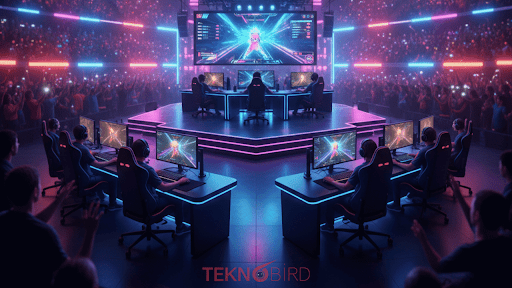
Over the past decade, competitive gaming has transformed from a niche hobby into a global entertainment force. What was once limited to local tournaments and small online communities has evolved into a multi-billion-dollar industry with professional teams, corporate sponsors, and millions of dedicated fans worldwide. Today, the E-Sport Game ecosystem stands at the intersection of technology, media, and professional sports, reshaping how audiences engage with competition in the digital age.
From Casual Gaming to Professional Competition
The early days of competitive gaming were driven by passionate communities rather than large organizations. Players competed in internet cafés, small LAN events, and community-run tournaments. However, as broadband internet improved and multiplayer platforms became more accessible, the scale of competition expanded rapidly.
Games designed with competitive balance, spectator modes, and ranking systems created the foundation for professional esports. Titles such as team-based shooters, strategy games, and sports simulations provided environments where skill, teamwork, and strategy determined success. As prize pools grew and global tournaments emerged, the E-Sport Game scene began to resemble traditional sports leagues.
Today, professional esports athletes train daily, analyze gameplay data, and work with coaches to improve performance—mirroring the structure of professional football or basketball teams.
The Technology Behind the E-Sport Game Revolution
Unlike traditional sports, esports exists entirely within the digital realm. Its growth depends heavily on technological innovation, from hardware to streaming infrastructure. High-performance gaming computers, low-latency servers, and advanced graphics engines ensure fair competition and immersive viewing experiences.
Streaming platforms have also played a crucial role in the rise of the E-Sport Game industry. Live broadcasts allow fans worldwide to watch tournaments in real time, interact with commentators, and support their favorite teams. This accessibility has turned esports into one of the most globally connected forms of entertainment.
Artificial intelligence and performance analytics tools further enhance professional play. Teams now analyze match data, player movements, and decision patterns to refine strategies. This data-driven approach has elevated esports beyond casual gaming and positioned it as a highly strategic competitive discipline.
For a deeper exploration of how digital competition is evolving and what drives the esports ecosystem, readers can explore detailed insights available on Teknobird, including this in-depth resource: https://teknobird.com/dijital-dunyada-e-spor/
Economic Impact and Sponsorship Growth
One of the clearest indicators of esports’ legitimacy is its economic scale. The E-Sport Game industry now attracts investment from major global brands across technology, apparel, automotive, and consumer electronics sectors. Sponsorship deals, advertising revenue, media rights, and merchandise sales have transformed esports into a sustainable business ecosystem.
Tournament prize pools have also grown dramatically. Some international events now offer multi-million-dollar rewards, rivaling those found in established sporting competitions. Professional teams operate with structured management, marketing departments, and training facilities.
Beyond direct revenue, esports stimulates related industries including hardware manufacturing, streaming services, event production, and content creation. As a result, the esports economy supports thousands of jobs worldwide.
The Cultural Influence of the E-Sport Game Scene
Esports has also reshaped global youth culture. For younger generations raised in the digital era, professional gamers are celebrities comparable to traditional athletes. Fans follow their favorite teams, watch live matches, and engage in online communities.
Social media has amplified this cultural shift. Players build personal brands through streaming platforms and content channels, creating direct relationships with their audiences. This interaction strengthens loyalty and expands esports’ reach beyond tournaments themselves.
Educational institutions have also begun recognizing the impact of competitive gaming. Universities now offer esports scholarships, academic programs focused on gaming management, and dedicated training facilities. These initiatives demonstrate how the E-Sport Game ecosystem is becoming a legitimate career pathway rather than a temporary trend.
The Role of Media and Broadcasting
Media coverage has been instrumental in legitimizing esports as a professional industry. Major broadcasting networks and online streaming platforms now compete for exclusive rights to tournaments. Professional commentators, analysts, and production crews deliver broadcasts that rival traditional sports in quality.
This media evolution has made esports accessible to audiences who may not even play games themselves. High-quality storytelling, player interviews, and tactical breakdowns help viewers understand the strategic depth behind the matches.
As a result, the E-Sport Game industry continues to attract viewers beyond its original gaming community, expanding into mainstream entertainment.
Challenges Facing the E-Sport Game Industry
Despite its growth, esports faces several challenges that will shape its long-term sustainability.
One major concern is player burnout. Professional gamers often train for long hours, leading to physical and mental strain. Organizations are increasingly investing in health programs, sports psychologists, and structured schedules to address these issues.
Another challenge is regulation and standardization. Unlike traditional sports governed by unified bodies, esports spans multiple game publishers, leagues, and regions. Establishing consistent rules, contracts, and competitive frameworks remains a complex task.
Additionally, maintaining fair competition requires constant monitoring against cheating, match-fixing, and technical exploits. As prize pools increase, the need for strict integrity systems becomes even more critical.
The Future of Competitive Gaming
Looking ahead, the future of the E-Sport Game ecosystem appears exceptionally promising. Several emerging trends indicate continued expansion:
Mobile esports growth: Competitive gaming on smartphones is expanding rapidly, particularly in emerging markets where mobile access exceeds PC ownership.
Virtual reality integration: As VR technology matures, immersive competitive experiences could introduce entirely new esports formats.
Cross-platform competition: Advances in cloud gaming may allow players on different devices to compete seamlessly, expanding accessibility.
Increased institutional investment: Governments, universities, and corporations are beginning to treat esports as part of national digital strategies and youth engagement programs.
These developments suggest that esports will not merely coexist with traditional sports—it may redefine what “sport” means in the digital century.
Why the E-Sport Game Industry Matters Today
The rise of esports reflects a broader transformation in how people consume entertainment, build communities, and pursue careers. Competitive gaming combines elements of sports, technology, media, and culture into a single ecosystem that resonates strongly with modern audiences.
For businesses, esports offers new marketing opportunities and global reach. For players, it provides a professional pathway. For fans, it delivers a form of competition that is accessible, interactive, and constantly evolving.
As digital infrastructure continues to improve worldwide, the E-Sport Game industry is likely to become even more influential—shaping not only entertainment but also education, technology development, and global communication.
Conclusion
The evolution of the E-Sport Game industry demonstrates how digital innovation can create entirely new forms of global competition. What began as a community-driven hobby has grown into a professional ecosystem supported by technology, investment, and cultural momentum.
As esports continues to mature, its influence will extend beyond gaming into broader sectors such as media, education, and international business. For anyone interested in the future of competition, entertainment, or digital culture, understanding esports is no longer optional—it is essential.



Author Profile

Latest entries
 ACCApril 7, 2026North Carolina Taps NBA Champion Michael Malone as Next Head Coach
 MLBApril 6, 2026MLB Weekly Digest: Yankees and Brewers Sprint to Early Leads, Rookies Showing Off
 healthApril 3, 2026Rocks Discount Vitamins – Save on Quality Supplements
 MLBApril 2, 2026Breakout MLB Teams Bettors Should Be Watching in the 2026 Season
About the Author