 0
0
 0
0
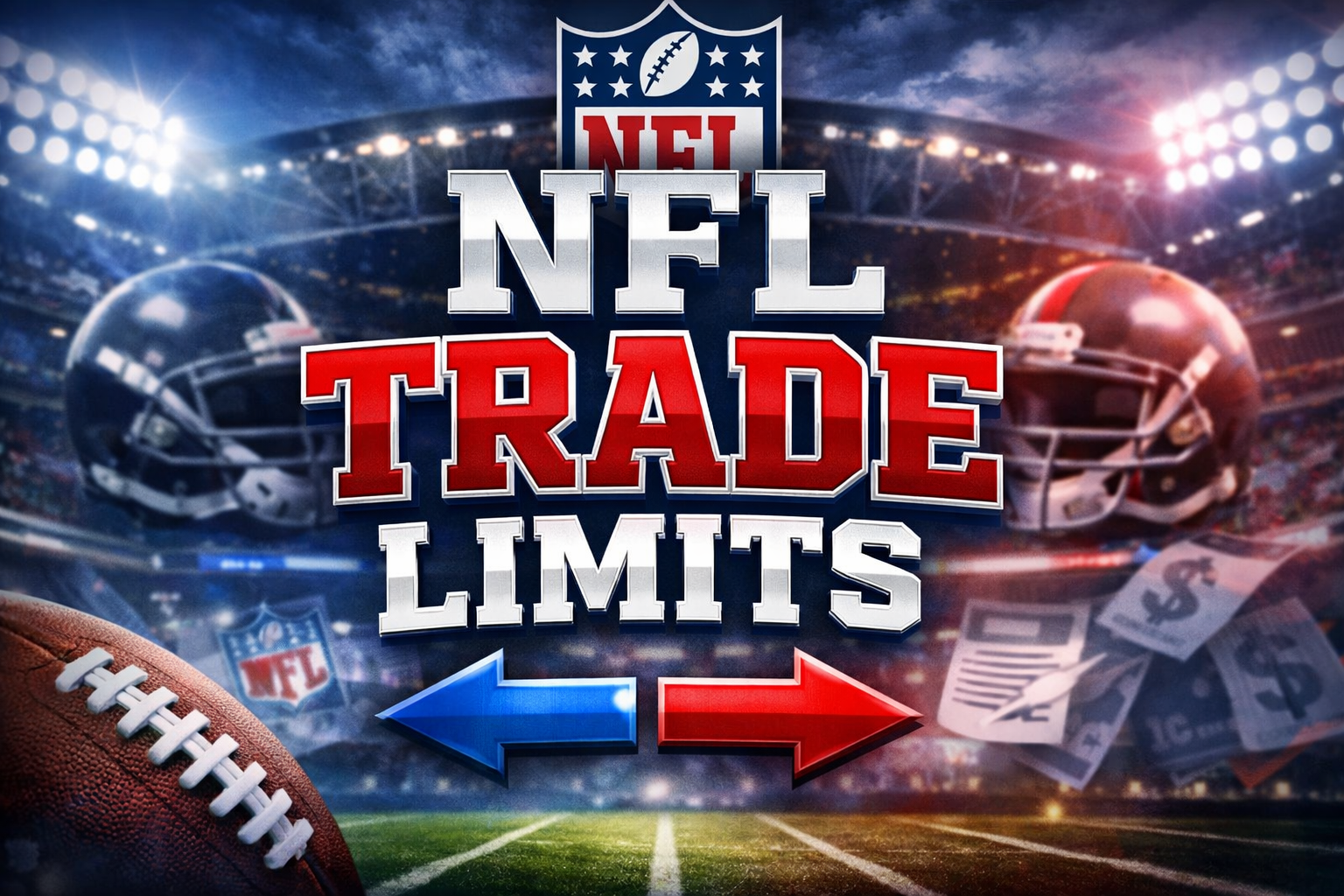
In the wake of Super Bowl LX, as the NFL shifts its focus from the gridiron to the front office, a revolutionary proposal is gaining steam. According to ESPN’s Adam Schefter, at least one NFL franchise is set to officially propose extending the league’s “future trade limit” for draft picks from three years to five.
If passed at the upcoming league meetings in March, this would represent one of the most significant changes to roster-building strategy in the modern era.
Why the Change? The “Win-Now” Era
The current NFL rule prevents teams from trading draft selections more than three seasons in advance. For example, in this 2026 offseason, a GM can currently only deal picks through the 2028 draft. Expanding this to five years (stretching to 2030) offers several strategic advantages:
- Blockbuster Flexibility: Teams pursuing elite franchise quarterbacks or superstar edge rushers could offer more “premium” picks without losing every first-rounder in a three-year span. They could spread three first-rounders across five years, maintaining some youth infusion each season.
- The “NBA-ification” of the NFL: The NBA currently allows teams to trade picks up to seven years out. By moving to a five-year window, the NFL is acknowledging that the league is now driven by “all-in” windows (like the Rams’ 2021 title run or the Seahawks’ 2026 victory).
- Asset Management for Rebuilders: On the flip side, rebuilding teams could amass a “war chest” of picks that spans a half-decade, allowing them to stagger their rebuild and manage the salary cap more effectively as those rookies eventually reach expensive second contracts.
The Risks: “Ghost” GMs and Five-Year Winters
The proposal isn’t without its detractors. Many NFL executives worry that giving GMs the power to mortgage the distant future creates a “moral hazard” for the league.
- Job Security Issues: A GM on the “hot seat” might trade away a 2030 first-round pick to save their job today. If the trade fails, they are fired, leaving the next administration with five years of “empty” drafts.
- Competitive Imbalance: There is a fear that 8–10 teams might effectively “exit” the competition for half a decade if they burn five years of first-round capital on one bad trade (critics often point to the Browns’ Deshaun Watson trade as a warning).
- Diminishing Value: A draft pick five years from now is significantly less valuable than one next year due to the “time value of assets.” This could lead to teams “overpaying” in quantity to make up for the lack of immediate impact.
Comparing Trade Windows
| League | Max Future Pick Window | Notable Restrictions |
| NFL (Current) | 3 Years | None |
| NFL (Proposed) | 5 Years | Potential “Stepien Rule” (no back-to-back years without a 1st) |
| NBA | 7 Years | Stepien Rule (cannot trade consecutive 1st rounders) |
| MLB | Competitive Balance Only | Only “Competitive Balance” picks can be traded |
The “Vikings/Burrow” Rumor
While Schefter hasn’t named the team leading the charge, NFL insiders have pointed toward the Minnesota Vikings as a prime candidate. Reports surfaced during Super Bowl week that Minnesota is desperate to acquire a top-tier quarterback (with Joe Burrow rumors swirling, despite Cincinnati’s denials). An expanded five-year window would allow the Vikings to offer a “godfather” package that the Bengals might find impossible to ignore.
What’s Next?
The proposal will be formally discussed at the Annual League Meeting in Phoenix, AZ, scheduled for March 29 – April 1, 2026. For the rule to pass, it needs approval from 24 of the 32 owners (75%).


Author Profile

- CEO NGSC Sports
Latest entries
 Radio ShowsMarch 24, 2026The Fudd Factor: UConn’s Undefeated Dynasty and the Case for #1
 Radio ShowsMarch 24, 2026The Peterson Paradox: Can Sheer Talent Survive a “Motive” Crisis?
 NBAMarch 22, 2026The Scoring King of Modernity: Kevin Durant Surpasses Michael Jordan
 NCAAWMarch 22, 2026Uncharted Waters: The Lady Vols’ Fall and the Uncertain Future on Rocky Top
About the Author