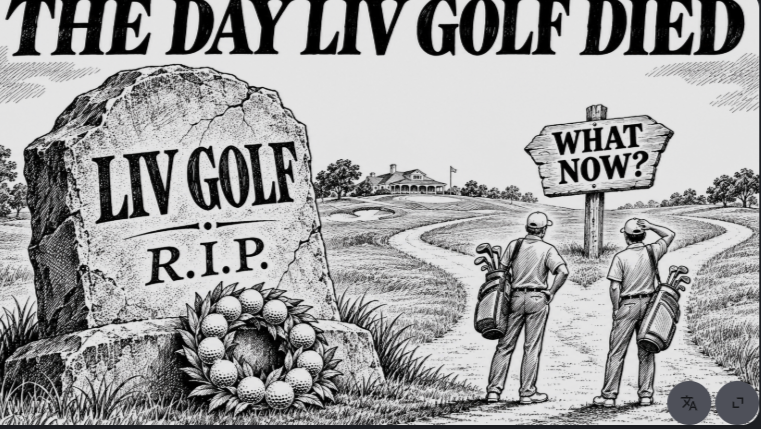
Photo Credit: Athlon Sports
 0
 0
LIV Golf entered professional golf promising to revolutionize a sport that had followed traditions for generations. The Saudi-backed league offered enormous contracts, shorter tournaments, team competitions, and a completely different entertainment experience. However, money could only take the league so far. After spending billions, LIV Golf never established a sustainable business model. The league filed for Chapter 11 bankruptcy protection on September 8, 2026. Then, on November 5, LIV announced plans to liquidate its remaining assets.
The announcement effectively ended its attempt to challenge the PGA Tour. Although bankruptcy proceedings continue, the proposed 2027 relaunch has collapsed. Several factors contributed to LIV Golf’s downfall. Financial problems, player departures, limited audience loyalty, and questionable business decisions all played important roles. Ultimately, LIV Golf discovered that buying established stars does not automatically create a successful sports league.
LIV Golf Spent Billions Without Building Sustainability
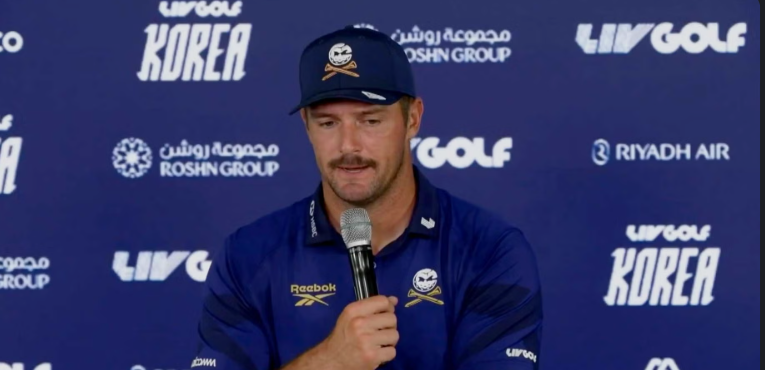
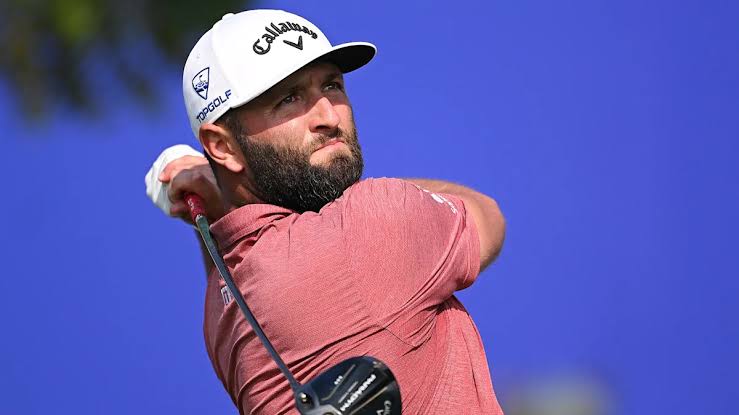
Money provided LIV Golf with its greatest advantage when the league launched in 2022. Saudi Arabia’s Public Investment Fund financed enormous player contracts and tournament purses. Phil Mickelson, Dustin Johnson, Brooks Koepka, and Bryson DeChambeau joined the controversial circuit. Jon Rahm eventually followed, giving LIV another internationally recognized superstar. However, those investments created tremendous financial obligations. LIV needed sponsorship revenue, broadcasting agreements, and commercial partnerships to support its expensive operations.
Instead, the league continued relying heavily on Saudi financial assistance. By April 2026, the Public Investment Fund had invested more than $5 billion. The organization subsequently announced plans to discontinue funding after the season. That decision exposed LIV Golf’s greatest weakness. The league had never established enough independent revenue to support its financial commitments. Furthermore, its proposed rescue required another $300 million investment from BC Partners Credit. When negotiations collapsed, LIV lost its remaining path toward a 2027 season. The financial problems ultimately killed the league’s original business model.
LIV Golf Failed to Win Over Traditional Golf Fans
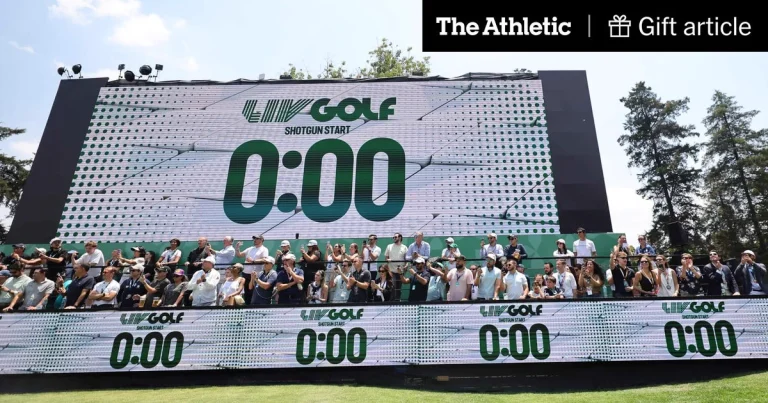
LIV Golf believed professional golf needed dramatic changes to attract younger audiences. Its leadership introduced shotgun starts, shorter tournaments, music, and team competitions. However, traditional golf fans already enjoyed the established tournament structure. The PGA Tour offered familiar courses, recognizable championships, and decades of history. LIV attempted to compete with those traditions through entertainment and enormous financial incentives. Unfortunately, changing the presentation did not guarantee audience loyalty.
Many longtime fans continued following the PGA Tour because they understood its competitive structure. They also appreciated the historical significance surrounding established tournaments. Meanwhile, LIV struggled to convince those audiences that its events carried comparable importance. That does not mean every LIV event failed to attract spectators. Tournaments in Adelaide and other international markets demonstrated genuine interest in the product. However, attracting enthusiastic crowds at selected events differs from establishing consistent worldwide demand. LIV needed audiences who would follow its competitions throughout an entire season. In my opinion, the league underestimated how much golf fans valued tradition and competitive history.
The Team Concept Never Became Essential Viewing
LIV Golf promoted team competition as one of its most important innovations. The league organized golfers into franchises, including Crushers GC, Legion XIII, and 4Aces GC. Players competed for individual prizes while contributing toward their teams’ standings However, the concept presented a significant challenge. Golf fans traditionally follow individual players rather than franchises. They recognize Tiger Woods, Rory McIlroy, and Scottie Scheffler through their individual accomplishments.
Unlike football or basketball, professional golf has never depended primarily on permanent team affiliations. LIV attempted to create those connections without decades of established rivalries. Furthermore, the team competition sometimes struggled to explain why spectators should care about particular franchises. A fan might support DeChambeau without developing the same emotional attachment to Crushers GC. That distinction mattered when LIV attempted to build long-term loyalty. The team format offered something different, but novelty alone could not guarantee commercial success. Nevertheless, team golf itself did not necessarily cause LIV’s collapse. Its supporters demonstrated that the format could generate excitement in certain markets. The larger problem involved converting that excitement into dependable revenue.
LIV Golf Could Not Develop Its Own Superstars
Another significant problem involved LIV Golf’s approach to talent development. The league initially built its roster around established professionals who had already achieved success elsewhere. Many arrived with major championships, worldwide recognition, and substantial existing fan bases. However, LIV needed more than recognizable names to secure its future. The PGA Tour benefits from an established development system that includes the Korn Ferry Tour. College golf and amateur competitions also provide pathways toward professional opportunities.
Those structures help introduce emerging players to national audiences. LIV created opportunities for younger golfers through its qualifying and promotion systems. However, those programs never matched the PGA Tour’s established developmental ecosystem. Consequently, LIV continued depending heavily on the star power of its original signings. The league did produce emerging talent, including Michael La Sasso. He won LIV’s 2026 season finale in Indianapolis. Nevertheless, occasional breakthroughs could not replace a dependable system for developing recognizable stars. Successful sports leagues must continuously introduce new personalities and compelling rivalries. LIV struggled to establish that cycle before its financial problems became overwhelming.
The PGA Tour Remained Golf’s Strongest Brand
Despite LIV Golf’s financial resources, the PGA Tour maintained significant competitive advantages. Its tournaments carried established histories, prestigious titles, and meaningful connections to professional golf’s development. Additionally, the PGA Tour continued attracting sponsors and maintaining valuable broadcasting relationships. Those commercial advantages became increasingly important as LIV encountered financial difficulties. In November 2026, reports indicated PGA Tour sponsorship revenue had surpassed $1 billion. That represented a 14% increase compared with the previous year.
Furthermore, the organization announced plans for a revised competition structure beginning in 2028. The proposed Championship Series will feature approximately 24 tournaments with substantial prize funds. Meanwhile, a Challenger Series will provide another competitive pathway for professional golfers. Those developments demonstrate how the PGA Tour continued evolving while maintaining its established identity. However, LIV deserves some credit for accelerating changes across professional golf. Its enormous contracts forced competitors to reconsider player compensation and tournament economics.Nevertheless, challenging an established organization requires more than forcing temporary changes. LIV needed a lasting commercial advantage, and it never established one.
Player Departures Destroyed LIV’s Final Opportunity
LIV Golf’s financial difficulties became even more serious when prominent players began leaving. Following September’s bankruptcy filing, several golfers reconsidered their professional futures. Jon Rahm rejected the proposed LIV 2.0 arrangement and pursued opportunities elsewhere. Other recognizable players, including Sergio Garcia, Tyrrell Hatton, and Ian Poulter, also moved away from the league. Meanwhile, the proposed restructuring required enough players to commit to a smaller competition.
BC Partners Credit offered a potential $300 million investment to support that plan. However, negotiations failed when the league could not secure sufficient player participation. That development ultimately eliminated LIV’s remaining financial lifeline. The proposed 2027 season would have featured a reduced tournament schedule and a different ownership structure.
Instead, the investment agreement collapsed, leaving liquidation as the league’s preferred option. The situation demonstrated another weakness in LIV’s original strategy. Players initially joined because the league offered extraordinary financial opportunities. Once those guarantees became uncertain, maintaining their commitments became increasingly difficult. LIV could purchase talent, but it struggled to establish the loyalty necessary for survival.
The PGA Tour and LIV Golf Never Reached a Lasting Agreement
Another major disappointment involved the failed negotiations between LIV’s financial backers and the PGA Tour. In June 2023, both sides announced a framework agreement intended to reshape professional golf. The announcement surprised players, fans, and industry observers. However, negotiations continued without producing a completed agreement. The PGA Tour eventually rejected a proposed $1.5 billion investment arrangement involving Saudi Arabia’s Public Investment Fund.
The proposal would have preserved LIV Golf while giving the Saudi fund significant influence within PGA Tour Enterprises. Consequently, professional golf remained divided. That separation created challenges for players, tournament organizers, and audiences. Fans could not consistently watch every leading golfer compete against one another outside major championships. Meanwhile, LIV continued operating without the commercial stability a broader agreement might have provided. The failed negotiations did not independently cause LIV’s collapse. However, they eliminated a potential opportunity to establish a more sustainable future.
LIV Golf Changed the Game but Not the Fans
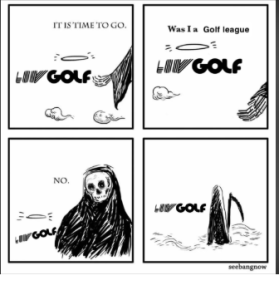
Perhaps LIV Golf’s biggest mistake involved confusing innovation with guaranteed audience growth. The league successfully introduced different tournament presentations and enormous financial incentives. However, professional golf already had an established audience with deeply rooted expectations. Those fans followed individual golfers, historical rivalries, and prestigious championships. LIV attempted to change those habits almost immediately. Some spectators embraced the new format, particularly in international markets.
Others remained loyal to the PGA Tour and traditional competitions. Neither preference automatically makes someone a better golf fan. However, LIV needed enough paying spectators, sponsors, and television viewers to support its enormous expenses. The league never demonstrated that its commercial model could consistently accomplish that objective. Additionally, its Saudi financial backing created controversy surrounding sportswashing and human rights concerns. Those debates further complicated LIV’s public image, although their precise financial impact remains difficult to measure. Ultimately, the league attempted to transform professional golf faster than its business could support.
What Happens to LIV Golf Now?
LIV Golf’s November 5 announcement effectively ended the league’s original competitive ambitions. However, its bankruptcy proceedings remain unfinished. On November 10, the organization submitted a liquidation plan to a New Jersey bankruptcy court. The court has scheduled a November 24 hearing concerning the plan’s disclosure statement. A final confirmation hearing currently stands on the calendar for January 7, 2027. Meanwhile, creditors must address significant outstanding financial obligations.
Reports indicate unsecured claims exceed $100 million, while the proposed recovery pool contains just $2 million. The final outcome will depend on bankruptcy proceedings and creditor negotiations. Additionally, outside investors could potentially acquire remaining LIV assets. However, such a transaction would not automatically revive the original competition. For now, LIV Golf’s planned liquidation represents the conclusion of an expensive experiment in professional sports.
Final Thoughts: What Really Killed LIV Golf?
LIV Golf did not fail because professional golf lacked room for innovation. The sport continues evolving, and competition can encourage meaningful improvements. However, LIV attempted to build an expensive global league before establishing a dependable commercial foundation. Its leadership spent billions recruiting recognizable players and promoting an unfamiliar competition format. Meanwhile, the PGA Tour maintained its historical advantages and strengthened its commercial relationships.
LIV also struggled to develop emerging stars and establish lasting loyalty toward its franchises. Eventually, its primary financial backer withdrew support. Without that funding, LIV needed investors and players to embrace a substantially different business model. They never reached the necessary agreement. That failure ultimately brought the league to its knees. LIV Golf changed conversations about player compensation, tournament formats, and professional golf’s future. However, changing the conversation never guaranteed survival. The league proved that money can attract superstars and disrupt an established sport. What money cannot automatically purchase is tradition, audience loyalty, or a sustainable business. That combination of financial dependence, weak commercial foundations, and failed restructuring ultimately killed LIV Golf.



Author Profile

-
Bradley Walker (VP) and Head of our Florida operations for NGSC Sports, bringing extensive experience across collegiate, professional, and amateur athletics. His coverage spans USF Athletics, including football, baseball, lacrosse, and softball, as well as University of Tampa baseball.
Bradley also provides coverage of minor league baseball with the Clearwater Threshers and Major League Baseball with the Tampa Bay Rays. On the national stage, he covers college football bowl games and conference championship matchups, along with premier golf events across the PGA Tour, LIV Golf, and LPGA Tour.
In addition to his reporting work, Bradley is the play-by-play announcer for Pinellas Park High School Patriots football, lending his voice and insight to Friday night lights.
He is also an active podcast host and contributor, serving as a host on The Walker Report, where he delivers in-depth sports analysis, interviews, and coverage across multiple levels of competition.
Latest entries
 AAC FootballNovember 13, 2026 at 12:39 amMemphis Tigers Outlast USF Bulls in Thursday Night Shootout
 GolfNovember 13, 2026 at 12:38 amKatsu, Choi Share Lead as Korda Shines at The ANNIKA
 FootballNovember 13, 2026 at 12:38 am2026 Heisman Trophy Rankings: A New Favorite Emerges
 GolfNovember 13, 2026 at 12:38 amWhat Killed LIV Golf? Money, Fans, and Failure
About the Author