Photo Credit: YouTube
 0
 0
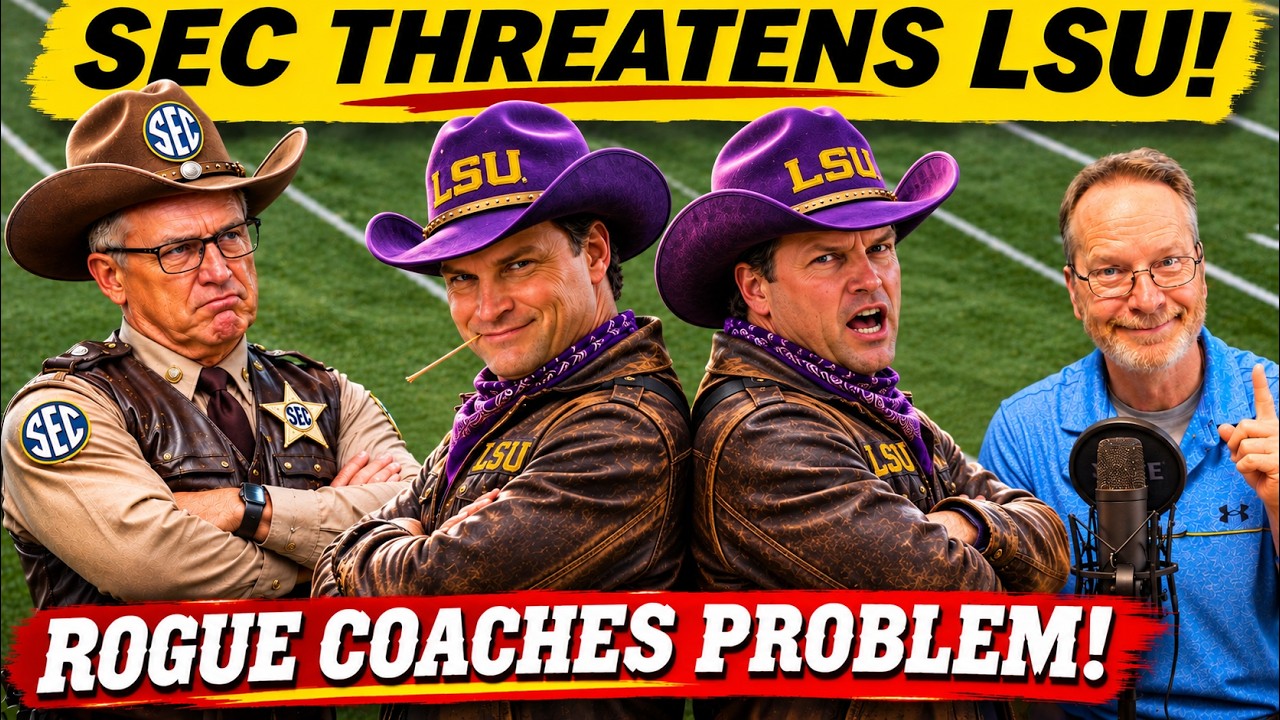
The Southeastern Conference could soon face one of the most significant decisions in its history. Conference officials have scheduled a December 3 meeting to discuss potentially terminating LSU’s membership. The controversy involves former professional athletes returning to college athletics and challenging existing conference eligibility rules. The latest incident involves LSU men’s basketball player RJ Luis Jr. However, football head coach Lane Kiffin previously created controversy by attempting to recruit players with NFL experience. Consequently, SEC Commissioner Greg Sankey and conference leadership must determine whether LSU has disregarded its membership obligations. The situation could have significant ramifications throughout college athletics.
RJ Luis Jr. reignites the controversy
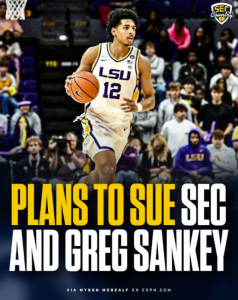
The latest dispute involves former St. John’s basketball standout RJ Luis Jr. The talented guard earned Big East Player of the Year honors before pursuing a professional basketball career. After going undrafted in 2025, Luis spent time with the Utah Jazz and Boston Celtics organizations. However, he never appeared in an NBA regular-season game. Luis subsequently pursued a return to college basketball through legal action. A court injunction provided him an opportunity to resume his collegiate career. Despite objections from conference leadership, LSU head coach Will Wade played Luis against Louisiana-Monroe on November 18. Luis played 15 minutes during the Tigers’ victory. However, LSU President Wade Rousse subsequently directed Wade to stop playing Luis. Meanwhile, the SEC intensified its legal efforts against the university. The conference also added Wade to its amended federal complaint, alleging LSU misrepresented its intentions regarding Luis. Those allegations remain part of the ongoing legal dispute.
Lane Kiffin started the earlier dispute
Before the basketball controversy, Kiffin challenged the boundaries of collegiate eligibility through his football recruiting efforts. Kiffin pursued tight end Dae’Quan Wright and defensive tackle Zxavian Harris. Both athletes previously played for Kiffin at Ole Miss before pursuing NFL opportunities. Wright spent time with Philadelphia and Cleveland, while Harris joined New Orleans during the offseason. Their potential return to college football created considerable frustration among SEC officials. However, LSU ultimately excluded both athletes from its finalized football roster. Neither player appeared in a game for the Tigers. The SEC initially considered LSU’s expulsion in September. However, conference leadership concluded its September 10 meeting without voting on the university’s membership. Although LSU avoided immediate consequences, the basketball controversy has reopened those concerns.
Greg Sankey fights for conference authority
Sankey faces an increasingly complicated challenge regarding the SEC’s ability to govern its member institutions. The conference maintains eligibility restrictions concerning athletes who pursue professional careers. Furthermore, SEC leadership believes its members must respect the policies they collectively establish. Earlier this year, conference officials strengthened their enforcement provisions regarding former professional athletes. Potential punishments include lengthy coaching suspensions, substantial financial penalties, and restrictions on institutional voting privileges. However, court injunctions have complicated the conference’s ability to enforce those regulations. Consequently, the SEC now faces questions regarding its authority over individual universities. Meanwhile, Luis’ attorney, Tony Clayton, announced plans to pursue damages against Sankey and the conference. Clayton alleges that conference leadership violated a court order concerning his client’s eligibility. The disagreement has evolved beyond athletic eligibility. It now involves institutional governance, contractual obligations, and the legal rights of individual athletes.
What would LSU’s expulsion mean?
LSU helped establish the Southeastern Conference in 1933. Throughout its membership, the university has developed into one of college athletics’ most recognizable brands. The Tigers have captured national championships across multiple sports, including football, baseball, and women’s basketball. Removing LSU would create enormous financial and competitive questions for both the university and the conference. Television agreements, conference revenue distributions, scheduling arrangements, and recruiting could all experience significant disruption. Furthermore, LSU would need to evaluate its options regarding future conference affiliation. According to Reuters, expelling LSU requires approval from at least two-thirds of the conference’s university presidents and chancellors. With 16 member institutions, that would require at least 11 affirmative votes. Although expulsion remains unlikely, the scheduled meeting demonstrates the seriousness of the dispute.
College athletics faces an identity crisis
The LSU controversy highlights a much larger problem throughout college athletics. NIL opportunities, revenue sharing, transfer portal movement, and eligibility lawsuits have transformed the collegiate landscape. However, allowing athletes with professional contracts to return raises additional questions. Where should college athletics establish its boundaries? Should athletes retain their eligibility after pursuing professional careers? Furthermore, how should conferences enforce rules when courts challenge their authority? Athletes deserve opportunities to pursue their careers without unnecessarily restrictive policies. Nevertheless, universities also need consistent regulations that protect competitive fairness. Without clear national standards, similar controversies will likely continue throughout college athletics. Kiffin and Wade have challenged the traditional boundaries surrounding professional experience. Meanwhile, Sankey wants to preserve the conference’s authority and hold its members accountable.
December 3 could change college sports
Ultimately, LSU and the SEC have reached a potentially historic crossroads. Both sides have considerable financial, competitive, and legal interests at stake. The conference must determine whether its relationship with LSU remains sustainable. Meanwhile, university leadership must demonstrate its ability to manage its athletic programs. Expelling a founding member would represent an extraordinary decision. However, repeatedly threatening expulsion without establishing an effective resolution could also undermine conference authority. December 3 could become one of the most consequential dates in SEC history. Regardless of the outcome, college athletics desperately needs consistent eligibility standards. Without meaningful reform, the controversy surrounding LSU could become the beginning of an even larger national problem.



Author Profile

-
Bradley Walker (VP) and Head of our Florida operations for NGSC Sports, bringing extensive experience across collegiate, professional, and amateur athletics. His coverage spans USF Athletics, including football, baseball, lacrosse, and softball, as well as University of Tampa baseball.
Bradley also provides coverage of minor league baseball with the Clearwater Threshers and Major League Baseball with the Tampa Bay Rays. On the national stage, he covers college football bowl games and conference championship matchups, along with premier golf events across the PGA Tour, Champions Tour, and LPGA Tour.
In addition to his reporting work, Bradley is the play-by-play announcer for Pinellas Park High School Patriots football, lending his voice and insight to Friday night lights.
He is also an active podcast host and contributor, serving as a host on The Walker Report, where he delivers in-depth sports analysis, interviews, and coverage across multiple levels of competition.
Latest entries
 AAC FootballNovember 27, 2026USF vs. Tulane: One Final Ride at Raymond James
 RugbyNovember 27, 2026World Rugby Extends Women’s Smaller Ball Trial
 FootballNovember 27, 20262026 CFP Odds: Which Conferences Will Dominate?
 NCAABNovember 27, 2026SEC Considers Expelling LSU Amid Eligibility Controversy
About the Author