Photo Credit: X
 0
 0
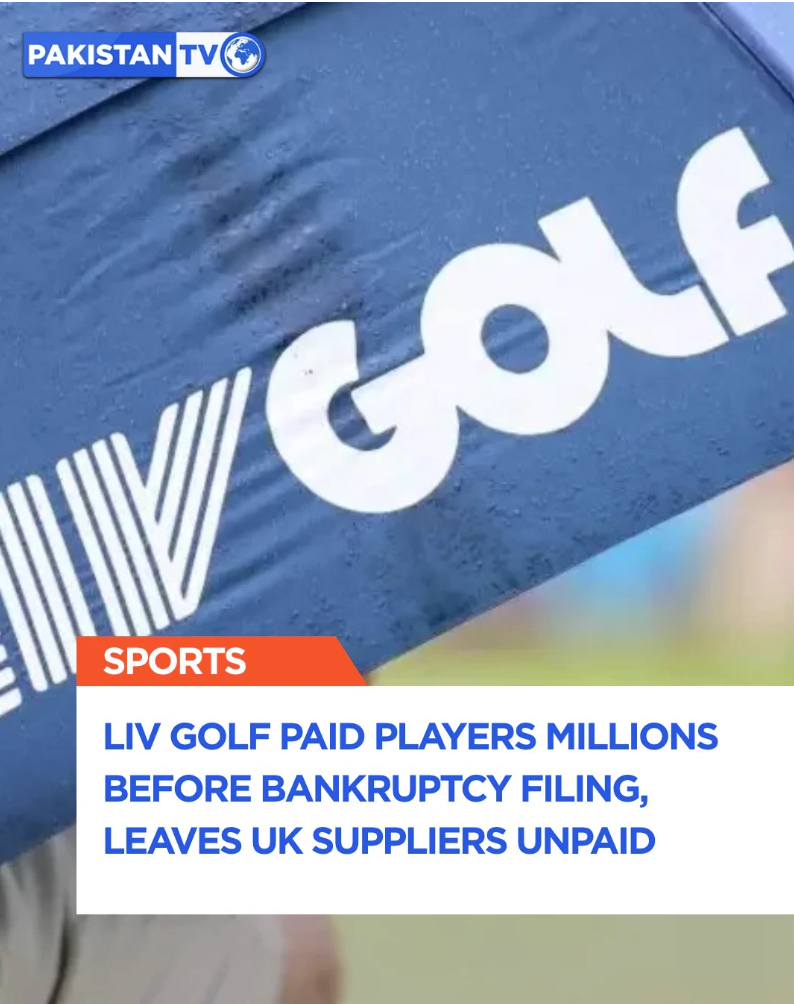
LIV Golf entered professional golf with enormous financial backing, superstar players, and promises to revolutionize the sport. However, its reported financial collapse has created a controversy extending far beyond the golf course. The Saudi-backed league now faces intense criticism over allegations involving unpaid contractors, executive bonuses, and massive player payouts. Meanwhile, small businesses that supported LIV Golf events face serious financial uncertainty. According to a BBC Sport investigation cited in recent reports, several British companies still await substantial payments. These businesses provided essential services during LIV Golf’s United Kingdom tournament in July 2026. The controversy raises questions about financial responsibility, corporate leadership, and the treatment of smaller businesses. Furthermore, the reported bankruptcy proceedings have exposed significant differences between payments to wealthy golfers and outstanding vendor invoices.
Small Businesses Face Financial Hardship
One of the biggest controversies involves five British businesses seeking payment for services they provided during LIV Golf events. Global Infusion Group, a catering company, reportedly faces an outstanding invoice totaling £321,671, approximately $420,000. Meanwhile, cleaning company BD365 Clean reportedly awaits £75,225 for its services. Another business, Goodysphere, provided a sensory bus supporting autistic children attending tournament events. The family-owned Yorkshire company reportedly awaits more than £3,000.
Although these amounts represent relatively small expenses for a major professional sports organization, they carry enormous consequences for smaller businesses. Global Infusion Group CEO Bonnie May described the situation as “completely immoral.” Additionally, BD365 Clean owner Krissi Foskett expressed frustration over the financial damage facing her company. Foskett described the circumstances as “sickening” and potentially devastating for her business. These companies completed their responsibilities while expecting LIV Golf to honor its financial commitments. Instead, they now face uncertainty surrounding their outstanding invoices and potential recovery through bankruptcy proceedings.
Millions Went to Players Before Bankruptcy
The reported financial records have generated additional criticism regarding LIV Golf’s spending priorities. According to the supplied BBC reporting, LIV Golf distributed $16.6 million in player payments on July 31, 2026. That payment reportedly came just five days after the British tournament where several vendors encountered unpaid invoices. Furthermore, LIV Golf reportedly distributed another $34.2 million between August 17 and September 3. Those payments allegedly included $6.4 million for Jon Rahm, the league’s 2026 individual champion. The timing has sparked questions about how LIV Golf handled its financial obligations. While wealthy professional golfers received substantial compensation, smaller companies continued waiting for money they had earned. However, bankruptcy law distinguishes between different payment obligations and creditor classifications. The timing of payments alone does not establish wrongdoing. Nevertheless, the contrast has created significant public relations problems for the league.
Executive Bonuses Generate Additional Backlash
The controversy extends beyond player compensation. According to the supplied reports, seven senior LIV Golf executives received approximately $15.6 million in retention bonuses. CEO Scott O’Neil reportedly received a $6 million bonus in June 2026. Additionally, four executives reportedly collected nearly $3 million during August. These figures have intensified criticism surrounding LIV Golf’s financial management. Many observers question why executives received substantial bonuses while contractors struggled to collect overdue payments. Retention bonuses can serve legitimate business purposes during corporate restructuring. Companies sometimes use them to retain executives responsible for managing difficult transitions. However, the reported payments have raised questions about fairness and accountability. For struggling vendors, those executive payments represent money that could have covered outstanding invoices many times over. The situation also demonstrates how corporate financial decisions can affect businesses outside an organization’s immediate operations.
LIV Golf Faces Enormous Debt
The supplied bankruptcy summary places LIV Golf’s outstanding obligations between $500 million and $1 billion. Additionally, the league reportedly has at least 1,000 creditors seeking payment. Those figures illustrate the financial challenges surrounding the organization’s reported collapse. Saudi Arabia’s Public Investment Fund reportedly invested more than $5 billion into LIV Golf since its 2022 launch. Despite that enormous investment, the league struggled to establish a sustainable financial model. LIV Golf attracted several prominent players through lucrative contracts and substantial tournament purses. However, attracting elite talent did not automatically create sufficient commercial revenue.
The league also faced challenges developing television audiences, sponsorship relationships, and consistent fan engagement. Meanwhile, its team competition format struggled to establish the same traditions that support established professional golf tours. These challenges reportedly contributed to mounting financial pressure. According to the supplied bankruptcy summary, the Public Investment Fund earmarked approximately $2 million for unsecured creditors. If accurate, that amount would leave many businesses facing substantial losses. However, actual creditor recoveries depend on bankruptcy priorities, available assets, and court decisions.
LIV Golf’s Restructuring Efforts Collapse
LIV Golf reportedly explored several alternatives before moving toward liquidation. One proposal involved a revised business model called LIV 2.0. The proposed arrangement reportedly offered players equity opportunities while introducing outside financial support. BC Partners Credit emerged as a potential financial backer for the restructuring effort. However, the supplied reports indicate that negotiations encountered significant obstacles. Several prominent golfers reportedly declined long-term commitments or pursued opportunities elsewhere. Those players included Rahm, Bryson DeChambeau, Brooks Koepka, and Sergio Garcia. Without sufficient player commitments, the proposed financial arrangement reportedly collapsed. The supplied summary states that LIV Golf attorneys informed a bankruptcy judge on November 5 about abandoning restructuring. Instead, the organization reportedly began preparing to wind down operations. That development would represent a dramatic ending for a league that once promised to transform professional golf.
Contractors Beyond Britain Seek Payment
British vendors are not the only businesses reportedly pursuing outstanding payments. Fresh Tape Media allegedly seeks approximately $1.23 million for producing a LIV Golf media event. Meanwhile, Mobii Systems reportedly seeks $1.1 million for streaming-related technology services. Fantasy Interactive also reportedly pursued nearly $1 million involving development of the league’s digital application. These disputes demonstrate how LIV Golf’s financial problems reportedly extended across multiple business relationships. Professional golf tournaments require extensive support from production companies, caterers, cleaning crews, technology providers, and transportation services. Without those businesses, tournaments cannot deliver the experience players, broadcasters, and spectators expect. Consequently, unpaid invoices can create financial problems throughout the sporting industry.
What Happens Next for LIV Golf?
The supplied reports identify November 24, 2026, as the next significant bankruptcy court date. A disclosure statement hearing reportedly appears on the schedule, with additional liquidation proceedings expected in January 2027. Those proceedings could determine how creditors recover money from the remaining assets. However, unsecured creditors generally face greater financial uncertainty than creditors holding valid security interests. Meanwhile, the future of LIV Golf’s former players remains another important question. Some golfers could seek opportunities on the PGA Tour or DP World Tour. Others might face eligibility restrictions, contractual complications, or additional financial obligations. Those decisions could reshape professional golf following years of competition between established tours and LIV Golf.
A Costly Lesson for Professional Golf
LIV Golf entered the sport promising innovation, greater financial opportunities, and a different competitive experience. The league successfully attracted several major champions and generated significant attention throughout professional golf. However, its reported financial problems now threaten to overshadow those accomplishments. The biggest controversy no longer involves tournament formats, television ratings, or competition against the PGA Tour. Instead, the conversation increasingly centers on businesses that supported the league and now seek payment. Wealthy athletes and executives reportedly collected millions while smaller contractors faced potentially devastating financial consequences.
Furthermore, the situation highlights the importance of responsible financial management throughout professional sports. A successful sports organization needs more than recognizable athletes and substantial financial backing. It also needs reliable revenue, sustainable spending, and strong relationships with the businesses supporting its events. Ultimately, LIV Golf’s reported collapse could leave a complicated legacy. The league challenged professional golf’s traditional structure and forced conversations about player compensation. However, its reported bankruptcy problems raise equally important questions about financial responsibility. The greatest damage may fall on the small businesses that helped LIV Golf operate but now face uncertain payments. Their financial recovery deserves as much attention as the future careers of LIV Golf’s biggest stars.



Author Profile

-
Bradley Walker (VP) and Head of our Florida operations for NGSC Sports, bringing extensive experience across collegiate, professional, and amateur athletics. His coverage spans USF Athletics, including football, baseball, lacrosse, and softball, as well as University of Tampa baseball.
Bradley also provides coverage of minor league baseball with the Clearwater Threshers and Major League Baseball with the Tampa Bay Rays. On the national stage, he covers college football bowl games and conference championship matchups, along with premier golf events across the PGA Tour, Champions Tour, and LPGA Tour.
In addition to his reporting work, Bradley is the play-by-play announcer for Pinellas Park High School Patriots football, lending his voice and insight to Friday night lights.
He is also an active podcast host and contributor, serving as a host on The Walker Report, where he delivers in-depth sports analysis, interviews, and coverage across multiple levels of competition.
Latest entries
 MLBNovember 24, 2026 at 12:00 amMLB Free Agency Heats Up as Lockout Looms
 GolfNovember 24, 2026 at 12:00 amLIV Golf Bankruptcy Sparks Outrage Over Unpaid Bills
 AAC FootballNovember 24, 2026 at 12:00 amUSF Bulls, Tim Beck Part Ways Amid Offensive Struggles
 FootballNovember 24, 2026 at 12:00 amQB Injuries Rock College Football in 2026
About the Author