
Photo Credit: TikTok
 0
 0
Read Time:5 Minute, 46 Second
Golf’s distance debate continues to divide some of the sport’s biggest stars. Rory McIlroy and Jon Rahm agree that professional golfers hit the ball too far. However, they disagree about how golf should address the growing problem. Ahead of the November 2026 DP World Tour Championship in Dubai, both major champions shared their opinions. McIlroy wants stricter equipment regulations, while Rahm believes golf courses should challenge players through smarter designs.
Their disagreement raises an important question about professional golf’s future. Should governing bodies restrict equipment, or should course architects create layouts that reward accuracy over power? Both players make compelling arguments, especially considering their success as two of golf’s longest hitters.
McIlroy Wants Equipment Changes
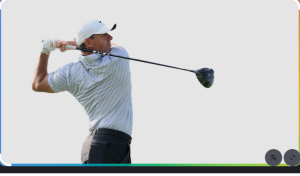
McIlroy believes modern equipment has changed professional golf dramatically. The Northern Irishman averaged more than 330 yards per drive during the 2026 PGA Tour season. Despite his tremendous driving ability, McIlroy supports reducing distances across professional golf. He believes governing bodies should examine golf balls, driver heads, and other equipment contributing to increased distances. McIlroy told Today’s Golfer that he supports doing “anything and everything” to address the issue. Furthermore, he believes modern power has diminished several traditional skills that once separated professional golfers.
Players previously relied heavily on precise iron shots, creative approaches, and strategic positioning. However, today’s longest hitters can overpower many courses without demonstrating those same skills as frequently. McIlroy even described himself as the “poster child” for golf’s distance problem. His comments carry additional weight because equipment restrictions could directly affect his greatest competitive advantage. Nevertheless, McIlroy believes the sport would benefit from a greater emphasis on shot-making.
He also argues that equipment changes would not eliminate the advantages of powerful players. Golf’s longest hitters would still maintain their distance advantages over shorter competitors. Instead, reduced distances could force everyone to approach familiar courses differently. More importantly, McIlroy believes these changes could make professional tournaments more entertaining.
Rahm Wants Smarter Golf Courses
Rahm sees the distance problem differently. The Spanish star acknowledges that modern equipment allows players to hit longer drives. He also recognizes that professional golfers have become stronger, faster, and more athletic. However, Rahm believes course architects already possess the tools necessary to challenge powerful players. Rather than restricting equipment, he supports creating what he calls “anti-distance” golf courses.
These layouts would punish poor positioning while rewarding accuracy, strategy, and intelligent shot selection. Rahm pointed toward Valderrama, Harbour Town, and Colonial as examples of courses that historically challenged powerful golfers. Those layouts demonstrate how narrow fairways, strategic hazards, and difficult approach angles can neutralize distance advantages. For example, a player might hit a drive 20 yards farther than an opponent. However, that additional distance provides little advantage when trees block the approach.
Meanwhile, a shorter hitter could enjoy a clear approach after finding the correct fairway position. Rahm believes architects should create more situations where placement matters more than raw power. Additionally, he questions whether simply making courses longer provides a sustainable solution. Longer layouts often require additional land, maintenance, and resources without necessarily creating better competition. Instead, strategic course designs could challenge elite golfers without requiring significant equipment restrictions.
Golf’s Governing Bodies Consider Changes
The debate comes as golf’s governing bodies continue examining equipment regulations. The United States Golf Association and The R&A have already outlined plans to reduce golf ball distances. Earlier in 2026, both organizations delayed their planned universal golf ball rollback. Their original schedule included separate implementation dates in 2028 and 2030. However, the revised timeline targets January 2030 for universal implementation.
Additionally, the organizations announced further proposals in September 2026. These proposals could introduce three optional Model Local Rules for elite competitions beginning as early as 2028. The potential changes include stricter golf ball testing standards and tighter limits on driver-face springiness. Another proposal would establish maximum length restrictions for clubs other than putters. However, these proposals remain under consideration rather than representing finalized competition rules. Their eventual implementation could significantly influence how professional golfers approach equipment selection. McIlroy’s position closely aligns with efforts to control distance through equipment regulations. Meanwhile, Rahm believes golf should focus more heavily on architectural solutions.
Why Driving Distance Matters
Driving distance has become one of professional golf’s most valuable advantages. Longer drives often produce shorter approach shots, increasing opportunities for birdies and eagles. Consequently, powerful players can attack holes that once required considerably more strategic planning. However, distance alone does not guarantee success. Players must still control their wedges, manage difficult lies, and convert opportunities on the greens.
Rahm also highlighted an important distinction between today’s longest hitters and previous generations. He suggested that the longest driving distances have not increased dramatically compared with 2004. Instead, modern improvements have helped more elite players consistently produce longer drives. Furthermore, golfers now hit some inaccurate drives considerably farther offline. That development creates another challenge for architects seeking to balance power and accuracy. Course designers must determine whether longer misses should create greater penalties or additional recovery opportunities. Meanwhile, equipment regulators must consider how restrictions could affect different playing styles.
Can Golf Find a Middle Ground?
McIlroy and Rahm present different solutions, but their arguments do not necessarily conflict. Golf could implement equipment restrictions while encouraging architects to design more strategic courses. For example, reduced ball distances could restore longer approach shots on certain holes. Meanwhile, narrower landing areas and carefully positioned hazards could reward accurate driving. Combining these approaches might preserve the advantages of powerful players without making distance the dominant factor.
However, golf must also consider recreational players. Amateur golfers generally lack the swing speeds and physical abilities of elite professionals. Consequently, equipment changes could create additional challenges for players already struggling with distance. Golf’s governing bodies must balance professional competition against the interests of everyday golfers. They must also consider manufacturers, tournament organizers, and course operators. Each group faces different consequences from potential changes.
The Future of Golf’s Distance Debate
Ultimately, McIlroy and Rahm agree on the central problem but disagree about the best solution. McIlroy wants golf to restore traditional shot-making through stricter equipment regulations. Rahm believes thoughtful course architecture can accomplish similar goals without restricting modern technology. Both perspectives deserve consideration because golf’s future depends on maintaining competitive balance. Power should remain an advantage, but accuracy and creativity should carry equal importance.
The sport should reward golfers who combine distance with intelligent decision-making. Furthermore, professional tournaments should challenge every aspect of a player’s game. The upcoming equipment decisions could influence professional golf for decades. However, architects will continue shaping competitive strategy regardless of regulatory changes. McIlroy and Rahm have brought renewed attention to a debate that reaches far beyond their individual careers. Golf must now determine how much distance is too much and what makes the game truly challenging. The answer could reshape professional golf’s competitive landscape for generations.


Happy
0 %

Sad
0 %

Excited
0 %

Sleepy
0 %

Angry
0 %

Surprise
0 %
Author Profile

-
Bradley Walker (VP) and Head of our Florida operations for NGSC Sports, bringing extensive experience across collegiate, professional, and amateur athletics. His coverage spans USF Athletics, including football, baseball, lacrosse, and softball, as well as University of Tampa baseball.
Bradley also provides coverage of minor league baseball with the Clearwater Threshers and Major League Baseball with the Tampa Bay Rays. On the national stage, he covers college football bowl games and conference championship matchups, along with premier golf events across the PGA Tour, LIV Golf, and LPGA Tour.
In addition to his reporting work, Bradley is the play-by-play announcer for Pinellas Park High School Patriots football, lending his voice and insight to Friday night lights.
He is also an active podcast host and contributor, serving as a host on The Walker Report, where he delivers in-depth sports analysis, interviews, and coverage across multiple levels of competition.
Latest entries
 GolfNovember 14, 2026 at 12:14 amRory McIlroy vs. Jon Rahm: Golf’s Distance Debate Heats Up
 NCAAFNovember 14, 2026 at 12:14 amFlorida Gators vs. Kentucky Wildcats: SEC Showdown in Lexington
 GolfNovember 14, 2026 at 12:14 amUSF Men’s Golf Lands Three Top Recruits for 2027
 GolfNovember 14, 2026 at 12:14 amThe ANNIKA Round 2: Birdies Fuel the Battle at Pelican
About the Author