 0
 0
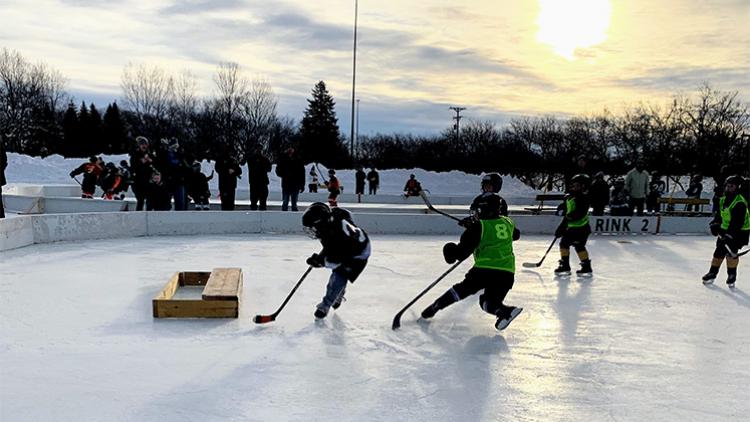
A pond hockey rink turns part of the yard into a shared winter activity space. Families can skate, practise skills, play casual games, and spend time outside without planning a separate trip. The rink becomes part of everyday family life.
What a Pond Hockey Rink Adds to Family Life
A backyard pond hockey rink gives families a convenient space to enjoy outdoor activities, practise skating, and spend time together during winter. The rink’s size, layout, and features should reflect the available yard space, local weather conditions, and the ages and abilities of those using it.
Common reasons families enjoy a rink include:
- Easy access: Skating is available without travelling to a public facility.
- Family time: Parents and children can enjoy one activity together.
- Winter exercise: Skating keeps family members active during colder months.
- Skill practice: Players can work on balance, passing, and puck control.
- Flexible play: The rink can support hockey, skating, or informal games.
- Social activity: Friends and neighbours can join planned skating sessions.
- Outdoor time: The rink creates a reason to leave indoor screens behind.
- Seasonal tradition: Regular skating can become part of the family’s winter routine.
Benefits Families Notice Throughout the Season
The value of a rink often becomes clearer after families begin using it regularly. It can support physical activity, connection, confidence, and simple winter entertainment.
-
Convenient Skating at Home
A pond hockey rink gives families convenient access to skating and casual games. Home access removes travel time and makes shorter sessions easier to enjoy.
-
More Time Spent Together
Parents, children, siblings, and relatives can participate at their own pace. Shared activity encourages connection without requiring everyone to have the same level of skating experience.
-
Consistent Winter Exercise
Skating involves balance, coordination, movement, and endurance. Regular rink use supports an active routine during months when families may otherwise spend more time indoors.
-
Natural Skill Development
Frequent access lets children practise stopping, turning, passing, and puck handling. Short practice sessions build confidence without the pressure of a formal lesson or scheduled team activity.
-
Flexible Games and Activities
The same rink can support hockey drills, free skating, beginner practice, and family games. Flexible use keeps the space interesting as abilities, group sizes, and interests change.
-
Stronger Social Connections
A family rink can provide a gathering place for friends, classmates, and neighbours. Shared skating creates social time while giving children and adults an active group activity.
-
Memorable Winter Traditions
Regular evening games, weekend skating, or holiday gatherings can become annual traditions. Repeated experiences create lasting memories that families may associate with winter for years.
Features That Make a Rink Family Friendly
The most enjoyable rink is not always the largest one. Practical design choices improve comfort, safety, and usability for both experienced players and beginners.
- Suitable dimensions: The rink should match the yard and expected number of users.
- Stable boards: Secure boundaries help contain pucks and define the skating area.
- Level ice: Consistent depth supports smoother freezing and easier maintenance.
- Clear access: A safe entry point helps skaters step onto the ice carefully.
- Useful lighting: Evening visibility extends practical skating time.
- Nearby storage: Equipment can remain organised and easy to reach.
- Simple rules: Agreed behaviour reduces collisions and arguments.
- Regular maintenance: Snow removal and resurfacing keep the rink usable.
Ways to Keep the Rink Enjoyable for Everyone
A family rink works best when expectations are clear, and maintenance is shared. Families using backyard rink solutions from T-Rex Rinks can follow these habits to help protect the ice surface and make each skating session more comfortable.
Set Rules Before Skating
Decide how many people can skate, when sticks are allowed, and which games are suitable. Simple rules reduce confusion and help beginners share the rink with stronger players.
Match Activities to Ability
Young children and new skaters may need slower sessions without active hockey play. Separating activities by skill level can make the rink more comfortable for every family member.
Use Suitable Equipment
Helmets, properly fitted skates, gloves, and weather-appropriate clothing support safer participation. Equipment should match the activity, age, size, and experience of each skater.
Check the Ice Regularly
Weather changes, cracks, soft areas, and exposed liner can affect the skating surface. A quick inspection before use helps families decide whether maintenance is needed.
Share Maintenance Tasks
Snow removal, equipment storage, and light resurfacing can be divided among family members. Shared responsibility reduces the workload and teaches children to care for the space.
Plan Different Session Types
Separate times for hockey, beginner skating, practice, and open family use can reduce crowding. A simple schedule gives everyone access to the rink activities they enjoy.
Respect the Surrounding Area
Lighting, noise, parked vehicles, and late games may affect nearby homes. Reasonable skating hours support good neighbour relations and keep the rink welcome within the community.
Conclusion
A pond hockey rink gives families a reason to spend more winter time outside together. It supports exercise, skill development, casual games, and shared traditions without requiring a trip for every skating session. The best experience comes from choosing a suitable site, setting simple rules, maintaining the ice, and matching the rink size to the ages, abilities, and interests of its regular users.



Author Profile

Latest entries
 LifeNovember 11, 2026 at 12:31 amConfidence Comes From Having a Next Step
 outdoorsNovember 11, 2026 at 12:00 amWhy Do Families Enjoy Having a Pond Hockey Rink?
 gamblingNovember 10, 2026 at 9:26 amHow Online Gambling Is Changing the Sports Betting Industry
 gamblingNovember 10, 2026 at 9:08 amHow Bundesliga Teams Balance Pressing, Possession and Defensive Risk
About the Author