Photo Credit: WBGO
 0
 0
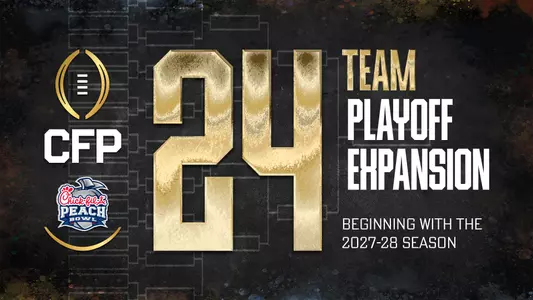
One of college football’s greatest traditions will receive a new date beginning in 2027. The annual Army-Navy Game will move to the first Saturday in December following the College Football Playoff’s expansion. The historic rivalry will now take place one week earlier than its traditional recent scheduling window. The College Football Playoff announced its expansion from 12 to 24 teams on Monday, November 9, 2026. Consequently, administrators must reorganize the postseason calendar to accommodate additional games. The 2027 Army-Navy Game will take place December 4 instead of its originally scheduled December 11 date. Philadelphia’s Lincoln Financial Field will still host the historic rivalry. Additionally, CBS will continue televising the contest, while Paramount+ will provide streaming coverage. The change represents another significant development in college football’s evolving postseason landscape. However, organizers have emphasized the importance of protecting one of the sport’s most cherished traditions.
Why Army-Navy Must Move Earlier
The College Football Playoff’s expansion creates significant scheduling challenges for administrators. Beginning with the 2027 season, 24 programs will compete for the national championship. The expanded tournament will feature 23 games, including 16 contests on college campuses. Furthermore, the playoff will begin during the first full week of December. That schedule creates a conflict with Army-Navy’s traditional second Saturday in December. Therefore, officials agreed to move the rivalry forward one week rather than compete against playoff games.
The December 4 date will provide Army and Navy with their traditional national television spotlight. Additionally, the CFP confirmed that no playoff games will conflict with the annual rivalry. That decision allows both military academies to maintain their prominent position on college football’s calendar. The CFP worked alongside American Conference Commissioner Tim Pernetti, Army, Navy, and CBS Sports to reach the agreement. The collaboration demonstrates the importance of preserving tradition during a period of significant change.
A Historic Rivalry Returns to an Earlier Date
Army-Navy has experienced several scheduling changes throughout its remarkable history. The rivalry dates to 1890 and remains one of college football’s most recognizable annual events. For decades, the two academies competed during different portions of the late-season calendar. However, the contest moved to the second Saturday in December in 2009. That adjustment allowed Army-Navy to avoid competing directly with major conference championship games. Now, the expanded playoff will force another scheduling adjustment. Interestingly, the rivalry has appeared on the first Saturday in December 45 previous times. Therefore, the 2027 change represents a return to a familiar scheduling tradition rather than something entirely new. The 2027 meeting will mark the rivalry’s 128th edition. Philadelphia will host the contest for the 91st time, continuing its longstanding association with the game. Navy currently leads the all-time series 64-55-7 and has won the previous two meetings.
The 24-Team CFP Changes Everything
The expanded College Football Playoff will reshape December football beginning next season. The tournament will include five automatic qualifiers and 19 at-large selections. Four automatic invitations will go to champions from the SEC, Big Ten, ACC, and Big 12. Meanwhile, the highest-ranked eligible Group of Six champion will receive the fifth automatic invitation. The selection committee will determine the remaining 19 participants through its final rankings. Additionally, the top eight seeds will receive first-round byes. Seeds nine through sixteen will host opening-round games against seeds seventeen through twenty-four.
The eight winners will advance to face the top eight seeds during the second round. Both rounds will take place on college campuses, creating exciting postseason environments. However, those additional games require more space on the December calendar. The playoff’s expansion also affects conference championship games and the Heisman Trophy ceremony. The Heisman ceremony will move one week earlier, with its 2027 weekend scheduled for December 3-5. Consequently, Army-Navy will share its new weekend with another major college football tradition.
Army and Navy Keep Their National Spotlight
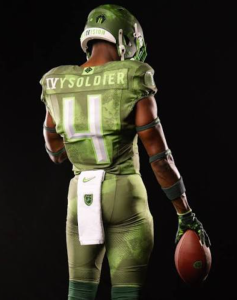
One important concern involved protecting Army-Navy’s exclusive television window. The rivalry traditionally receives national attention without competing against other major college football games. That arrangement allows fans throughout the country to celebrate both military academies. Furthermore, the contest represents something greater than conference standings or postseason rankings. Army and Navy players compete while preparing for future military service. The game celebrates commitment, discipline, leadership, and service to the United States. Those traditions make Army-Navy different from nearly every other college football rivalry.
Additionally, the contest features memorable ceremonies and displays of military pride. The March On brings both academies’ Corps of Cadets and Brigade of Midshipmen onto the field. Meanwhile, the traditional prisoner exchange highlights the relationship between the two institutions. After the final whistle, both teams participate in their schools’ alma mater ceremonies. The winning team earns the opportunity to sing second, creating one of college football’s most emotional moments. Protecting those traditions remains an important priority for administrators.
Could Army or Navy Make the Expanded Playoff?
The 24-team format creates additional postseason opportunities for both service academies. Army and Navy compete in the American Conference, which belongs to the Group of Six. Under the new format, the highest-ranked champion from those conferences will receive an automatic playoff invitation. Therefore, either academy could potentially reach the national championship tournament through an outstanding season. However, winning the American Conference alone will not guarantee qualification. The champion must also finish ahead of the other eligible Group of Six champions in the committee’s rankings.
Additionally, the selection committee could award an at-large invitation to either program. That possibility makes the new playoff structure especially interesting for both academies. A successful Army or Navy season could produce an unusual postseason situation. One academy might enter its annual rivalry already holding a strong playoff position. Meanwhile, the other could potentially affect its opponent’s postseason chances with a victory. The scheduling agreement helps ensure that both academies retain a path toward playoff participation. Furthermore, the protected television window allows the rivalry to maintain its national significance.
What Happens to Conference Championship Weekend?
The expanded playoff also creates uncertainty surrounding conference championship games. The SEC has announced that its 2026 championship game will mark the conference’s final edition under the current structure. Other major conferences also face significant scheduling changes. The CFP’s official announcement leaves decisions about conference championship games to individual conferences. However, eliminating those contests would create an available weekend after the regular season. That opening provides Army-Navy with an opportunity to occupy the first Saturday in December. Additionally, the regular season will conclude November 27, 2027. The following Saturday will feature the military academies’ annual rivalry. The playoff’s opening round will then begin during the following week. This arrangement creates a clear transition between the regular season and national championship tournament. However, college football administrators must continue balancing postseason expansion with longstanding traditions.
CBS Keeps One of College Football’s Biggest Traditions
The television component represents another important part of the scheduling agreement. CBS has maintained a longstanding relationship with the Army-Navy Game. The network will continue presenting the annual rivalry to a national audience. Meanwhile, ESPN holds the primary television rights to the expanded College Football Playoff. The new five-year agreement reportedly adds approximately $1.7 billion to ESPN’s existing postseason contract. Consequently, the two television properties will occupy different December windows. That separation benefits viewers who want to watch both events. Fans will not have to choose between Army-Navy and a playoff matchup. Additionally, the rivalry can continue receiving the attention its history deserves. Navy Athletic Director Michael Kelly welcomed the scheduling agreement. He emphasized the importance of preserving the game’s exclusive broadcast window while maintaining postseason opportunities. The agreement represents a successful compromise between tradition and the sport’s expanding commercial interests.
A Necessary Change That Protects Tradition
College football has undergone enormous changes throughout the past several seasons. Conference realignment, NIL agreements, the transfer portal, and playoff expansion have transformed the sport. However, Army-Navy remains one tradition that administrators should continue protecting. Moving the contest forward one week represents a reasonable adjustment. The change preserves the rivalry’s exclusive national spotlight without interfering with the expanded postseason. Furthermore, both academies retain opportunities to pursue conference championships and playoff invitations. The 2027 game will still feature the pageantry, emotion, and intensity that define this historic rivalry.
Philadelphia will again welcome thousands of military personnel, alumni, families, and football supporters. Meanwhile, millions of viewers will watch two programs compete for pride and bragging rights. The College Football Playoff will continue growing, bringing more money and additional championship opportunities. However, some traditions deserve protection regardless of television contracts or postseason expansion. Army-Navy represents one of those traditions. The date might change, but the meaning of America’s Game will remain the same. And beginning December 4, 2027, college football fans will have another opportunity to celebrate that remarkable tradition.



Author Profile

-
Bradley Walker (VP) and Head of our Florida operations for NGSC Sports, bringing extensive experience across collegiate, professional, and amateur athletics. His coverage spans USF Athletics, including football, baseball, lacrosse, and softball, as well as University of Tampa baseball.
Bradley also provides coverage of minor league baseball with the Clearwater Threshers and Major League Baseball with the Tampa Bay Rays. On the national stage, he covers college football bowl games and conference championship matchups, along with premier golf events across the PGA Tour, LIV Golf, and LPGA Tour.
In addition to his reporting work, Bradley is the play-by-play announcer for Pinellas Park High School Patriots football, lending his voice and insight to Friday night lights.
He is also an active podcast host and contributor, serving as a host on The Walker Report, where he delivers in-depth sports analysis, interviews, and coverage across multiple levels of competition.
Latest entries
 AAC FootballNovember 11, 2026 at 12:30 amArmy-Navy Game Moves Up Amid CFP Expansion
 NCAAFNovember 11, 2026 at 12:25 amCFP Expands to 24 Teams in $1.7 Billion ESPN Deal
 NCAAFNovember 11, 2026 at 12:20 amSEC Could Send Five Teams to CFP, even at 9-3
 High School FootballNovember 11, 2026 at 12:15 amPinellas County Football Playoffs: Seven Teams, One Championship Dream
About the Author