
Photo Credit: Bleacher Report
 0
0
 0
0
The NHL enters the 2026-27 season with several major rule changes. However, the Stanley Cup Playoff bracket will not receive a major overhaul. The league will keep its division-based playoff structure with wild-card teams. The biggest postseason change involves the salary cap. That change could still have a major impact on the Stanley Cup race.
The Playoff Bracket Stays the Same
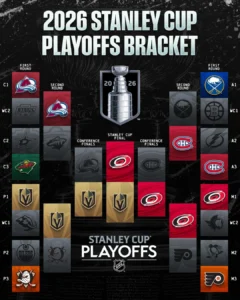
The NHL will continue sending 16 teams into the Stanley Cup Playoffs. Eight teams will qualify from each conference. The top three teams in each division will earn automatic playoff spots. The next two highest finishers in each conference will earn wild-card berths. The bracket then determines the opening-round matchups. The best division winner in each conference faces the lower wild card. The other division winner faces the higher wild card. Meanwhile, the second- and third-place teams meet within their respective divisions. That structure creates a fixed bracket for the first two rounds. The NHL does not reseed teams after each round. Instead, teams advance through their assigned side of the bracket.
Division Rivalries Remain Important
The format continues to place plenty of importance on divisional standings. A team can finish second or third in its division and face a familiar rival immediately. That can create difficult opening rounds for strong teams. It can also produce playoff series that fans might expect later. The 2026 postseason showed that dynamic again. The NHL’s format sent several strong divisional teams into early matchups. The league continues defending the structure despite ongoing debate around it. Commissioner Gary Bettman has defended the format during discussions about potential changes. He has pointed to competitive races and compelling first-round matchups. Still, the league has not announced a new bracket system for 2026-27.
The Big Change Comes with the Playoff Salary Cap
The biggest new postseason change involves the salary cap. Starting with the 2025-26 season, teams must keep their playoff lineups within the salary cap. That represents a significant change from previous years. Previously, the salary cap effectively disappeared once the playoffs began. Teams could therefore use long-term injured reserve situations to build larger playoff rosters. The new system changes that strategy. Teams must now make sure their dressed lineup fits within the league’s salary-cap rules. The rule covers 18 skaters and two goaltenders for each playoff game. The league calculates an averaged club salary for that lineup. That figure must remain within the applicable cap limit.
Long-Term Injured Reserve Also Matters
Long-term injured reserve will also look different under the new system. In previous seasons, teams could benefit significantly from LTIR during the regular season. Those teams could then activate players for the playoffs after the salary cap stopped applying. The new playoff-cap system closes much of that loophole. Teams still have flexibility with players who do not dress. However, the players actually entering the lineup must fit within the rules. That creates another roster-management challenge for general managers. It also adds another layer to playoff preparation.
The Salary Cap Is Also Rising
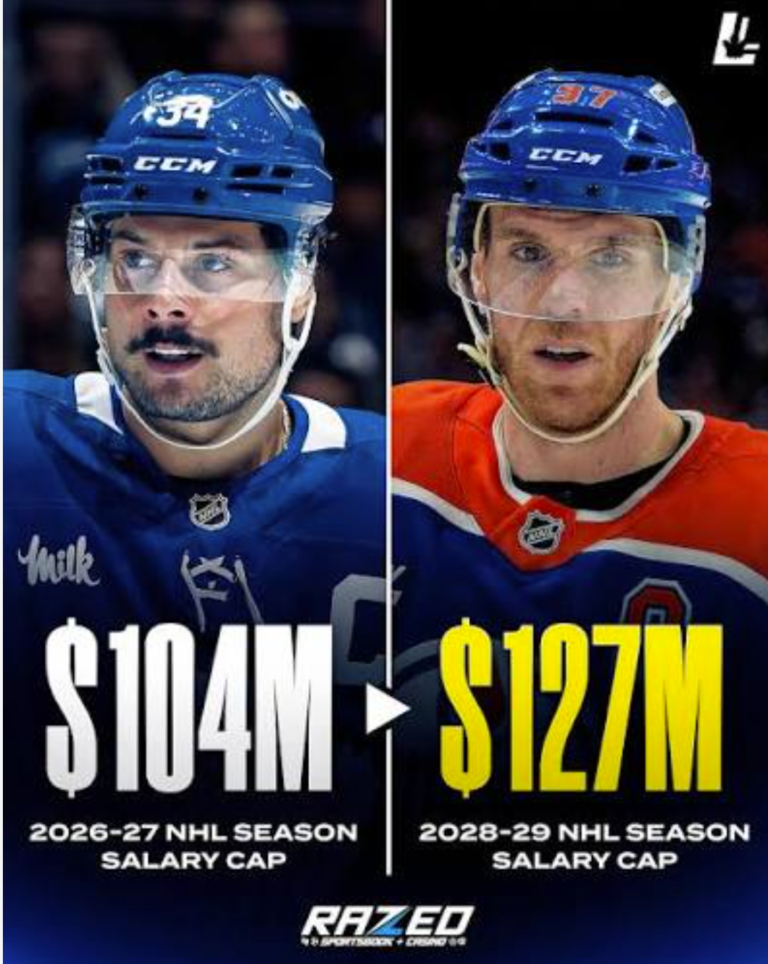
The NHL salary cap continues moving upward. The cap increased from $88 million to $95.5 million for 2025-26. That increase gives teams more room to build their rosters. However, the new playoff rules mean teams must manage that space carefully. A team cannot simply load up once the postseason begins. General managers must consider potential playoff combinations throughout the season. Injuries can also complicate those decisions. Therefore, roster construction could become even more important during the final weeks.
The Bracket Still Uses Best-of-Seven Series
Every Stanley Cup Playoff series remains a best-of-seven matchup. Teams must win four games to advance. The first two rounds follow the established bracket. The Conference Finals then determine the Eastern and Western Conference champions. Those two winners meet in the Stanley Cup Final. Home-ice advantage also remains tied to regular-season performance. The higher regular-season finisher receives home ice through the first two rounds. In the Conference Finals and Stanley Cup Final, the team with the better regular-season record gets home ice.
What Fans Should Watch
The biggest takeaway involves separating two different changes. The NHL did not change its playoff bracket for the 2026-27 season. Instead, the league changed how teams manage their playoff rosters. That difference matters because the bracket still looks familiar. The new salary-cap rules could make the path to the Stanley Cup more complicated. Teams must now plan for postseason lineup decisions much earlier. General managers also need to consider injuries and contract situations differently. Meanwhile, division standings will continue shaping the bracket. That means regular-season games still carry major consequences. A strong finish can determine both playoff qualification and home-ice advantage. It can also determine which opponents wait on the other side of the bracket.
The Stanley Cup Chase Gets Another Layer
The NHL enters 2026-27 with a familiar postseason structure. However, teams face a new financial challenge once the playoffs arrive. The division-based bracket remains intact. The playoff salary-cap rules add another strategic element. As a result, front offices must balance talent, contracts and injuries more carefully. The changes could influence roster decisions throughout the entire season. For fans, the bracket will look familiar when April arrives. Behind that bracket, however, teams will face a different set of roster rules. That could make the race for the Stanley Cup even more complicated.
Change is good for the NHL and this a good moving forward.



Author Profile

-
Bradley Walker (VP) and Head of our Florida operations for NGSC Sports, bringing extensive experience across collegiate, professional, and amateur athletics. His coverage spans USF Athletics, including football, baseball, lacrosse, and softball, as well as University of Tampa baseball.
Bradley also provides coverage of minor league baseball with the Clearwater Threshers and Major League Baseball with the Tampa Bay Rays. On the national stage, he covers college football bowl games and conference championship matchups, along with premier golf events across the PGA Tour, LIV Golf, and LPGA Tour.
In addition to his reporting work, Bradley is the play-by-play announcer for Pinellas Park High School Patriots football, lending his voice and insight to Friday night lights.
He is also an active podcast host and contributor, serving as a host on The Walker Report, where he delivers in-depth sports analysis, interviews, and coverage across multiple levels of competition.
Latest entries
 HockeySeptember 28, 2026NHL Playoff Bracket Stays, New Rules Change the Stanley Cup Chase
 FootballSeptember 28, 2026Pinellas Football Week 6: Clearwater Keeps Rolling
 AAC FootballSeptember 28, 2026American Conference Week 4 Recap: USF Stays Perfect
 AAC FootballSeptember 28, 2026Three Teams Eye American Conference Move
About the Author