Photo Credit: AL.com
 0
0
 0
0
College football thrives on unforgettable heroes. However, every era also creates unforgettable villains. ESPN’s list celebrates the players, coaches, teams, and even organizations that fans loved to hate. Whether through success, controversy, confidence, or tradition, each earned a reputation that still sparks heated debates across the sport. Caleb Williams opens the list at No. 10 after becoming one of college football’s most polarizing modern stars. The quarterback transferred from Oklahoma to USC alongside head coach Lincoln Riley. He won the 2022 Heisman Trophy while becoming one of college football’s biggest NIL stars. National commercials and constant media attention increased his visibility. Critics also mocked his emotional reaction after USC fell out of national title contention in 2023. Rather than backing away, Williams embraced criticism and often responded confidently through social media.
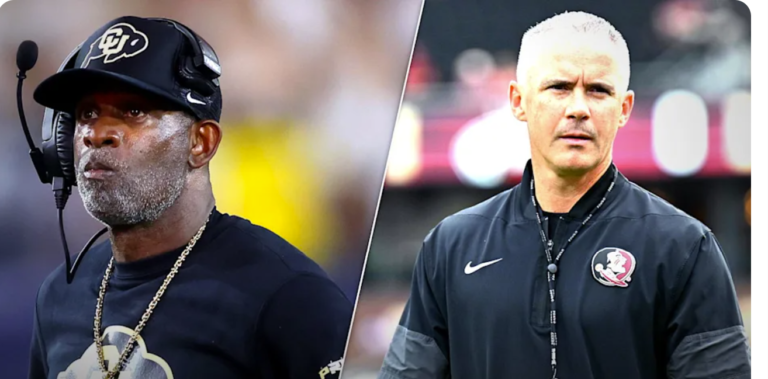
Deion Sanders ranks ninth because he has played the villain in two different eras. First, he frustrated opponents as a flashy Florida State defensive back during the late 1980s. One memorable performance came against Clemson in 1988. Sanders taunted the Tigers before returning a punt 75 yards for a touchdown. Decades later, he reignited debate after leaving Jackson State for Colorado in 2023. Colorado’s fast start generated massive excitement before late-season losses fueled criticism. Throughout both chapters, Sanders welcomed attention instead of avoiding it.
Tim Tebow lands eighth despite enjoying one of college football’s cleanest reputations. The Florida quarterback inspired enormous admiration while also creating strong opposition. Tebow entered Gainesville with incredible expectations in 2006. Although Chris Leak had already guided Florida to a national championship, many fans demanded Tebow become the starter immediately. Tebow eventually won the Heisman Trophy and built a passionate following. Constant media coverage also created “Tebow fatigue” among many fans and reporters, making him one of the sport’s most divisive stars.
ESPN surprisingly claims the seventh spot because many college football fans blame the network whenever their favorite team falls short. The article jokes that every fanbase believes ESPN favors someone else. Tennessee supporters once accused the network of helping Michigan’s Charles Woodson beat Peyton Manning for the 1997 Heisman Trophy. Years later, Ohio State fans believed ESPN favored the SEC during Urban Meyer’s suspension coverage. The running joke highlights how nearly every fanbase eventually believes the network works against them.
Notre Dame sits at No. 6 because the Fighting Irish have always operated differently than everyone else. The program remains an independent in football while maintaining its own television agreement. Notre Dame also continues to hold a unique place within the College Football Playoff structure. Those advantages frustrate many rival fanbases. Yet the Irish have embraced that outsider identity for generations. Even historical attacks against the university strengthened its resolve and helped shape one of college football’s most recognizable brands.
The 1990 Miami Hurricanes take fifth after redefining swagger on the national stage. Miami entered the season as defending national champions but suffered an opening loss to BYU. The Hurricanes later dominated Texas 46-3 in the Cotton Bowl. Their celebration became the game’s lasting memory. Miami committed 15 penalties for 202 yards, including several unsportsmanlike conduct flags. The performance sparked widespread criticism and eventually influenced the NCAA’s decision to crack down on excessive celebrations with stricter 15-yard penalties.
Brian “The Boz” Bosworth claims fourth because he challenged authority unlike almost anyone before him. The Oklahoma linebacker stood out with his signature hairstyle, outspoken personality, and relentless confidence. Bosworth famously criticized the NCAA by wearing a shirt that read “National Communists Against Athletes.” He wore it after failing an NCAA steroid test before the 1987 Orange Bowl. While some fans admired his rebellious attitude, many others viewed him as college football’s biggest troublemaker.
Johnny Manziel ranks third after becoming college football’s first freshman Heisman Trophy winner at Texas A&M. His thrilling play captivated fans, but his lifestyle frequently dominated headlines. Social media amplified every late-night appearance and controversial post. One famous image showed Manziel celebrating with a Roman candle in his mouth while drinking Dom Perignon after Texas A&M’s Cotton Bowl victory. Those moments divided fans and transformed “Johnny Football” into one of the sport’s earliest social media superstars.
Lane Kiffin earns second because controversy has followed nearly every coaching stop throughout his career. His sudden departure from Tennessee for USC created lasting resentment in Knoxville. USC later fired him on the Los Angeles International Airport tarmac. Nick Saban encouraged Kiffin to leave Alabama early for Florida Atlantic before the national championship game. More recently, Kiffin left Ole Miss for rival LSU, reopening old wounds across the SEC. His blunt personality and headline-making comments continue fueling intense reactions from fans.
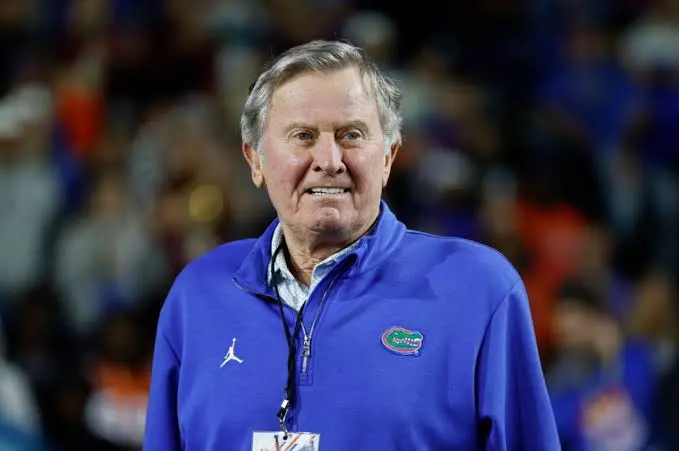
Steve Spurrier tops the list as college football’s greatest villain because he combined championship success with relentless trash talk. The former Heisman Trophy-winning quarterback later led Florida to a national championship while constantly delivering memorable insults. Spurrier mocked Florida State by calling it “Free Shoes University” during the Seminoles’ benefits scandal. He also famously joked, “You can’t spell Citrus without UT,” taking aim in Tennessee. Later, he built South Carolina into a contender and celebrated five straight victories over Clemson. Former quarterback Jesse Palmer summarized Spurrier perfectly by saying fans adored him if he coached their team but despised him otherwise.
The article closes with several honorable villains who narrowly missed the rankings. Those names include Baker Mayfield, Diego Pavia, Vontaze Burfict, Connor Stalions, the NCAA, Hugh Freeze, Phil Fulmer, Ryan Leaf, Jameis Winston, and Maurice Clarett. Together, they remind fans that college football has never lacked controversial personalities. Love them or hate them, each helped create unforgettable moments that continue shaping the sport’s colorful history.


Author Profile

-
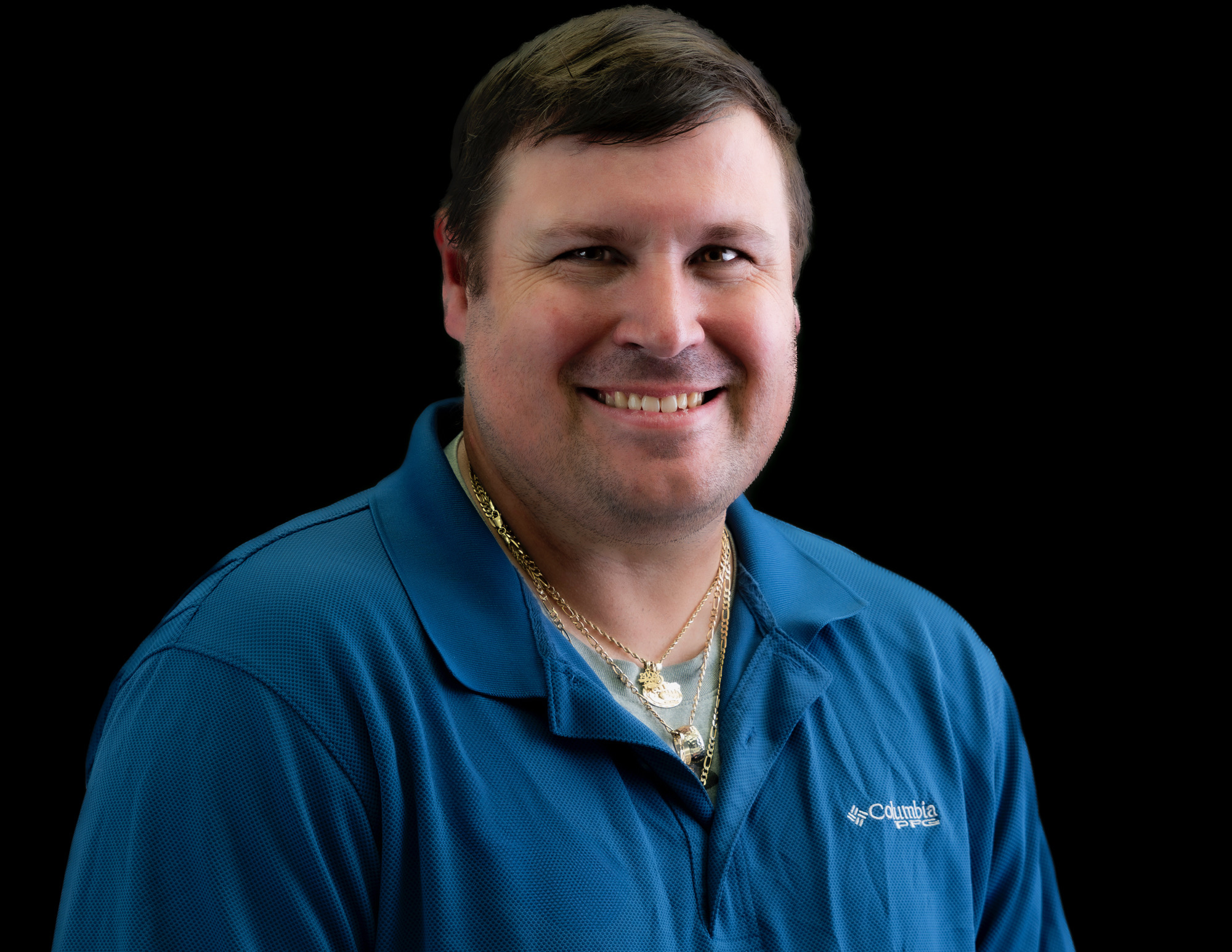
Bradley Walker (VP) and Head of our Florida operations for NGSC Sports, bringing extensive experience across collegiate, professional, and amateur athletics. His coverage spans USF Athletics, including football, baseball, lacrosse, and softball, as well as University of Tampa baseball.
Bradley also provides coverage of minor league baseball with the Clearwater Threshers and Major League Baseball with the Tampa Bay Rays. On the national stage, he covers college football bowl games and conference championship matchups, along with premier golf events across the PGA Tour, LIV Golf, and LPGA Tour.
In addition to his reporting work, Bradley is the play-by-play announcer for Pinellas Park High School Patriots football, lending his voice and insight to Friday night lights.
He is also an active podcast host and contributor, serving as a host on The Walker Report, where he delivers in-depth sports analysis, interviews, and coverage across multiple levels of competition.
Latest entries
 BasketballSeptember 22, 2026Knicks Halt Ticket Sales After Pricing Error
 Sports BettingSeptember 22, 202613 Best Sports Betting Apps in 2026, Ranked
 BaseballSeptember 22, 2026Angels Go from Moreno to Kroenke
 FootballSeptember 22, 20264 Reasons Deion Sanders Won’t Be the Next Florida State Coach
About the Author