Photo courtesy of Yahoo Sports
 0
0
 0
0
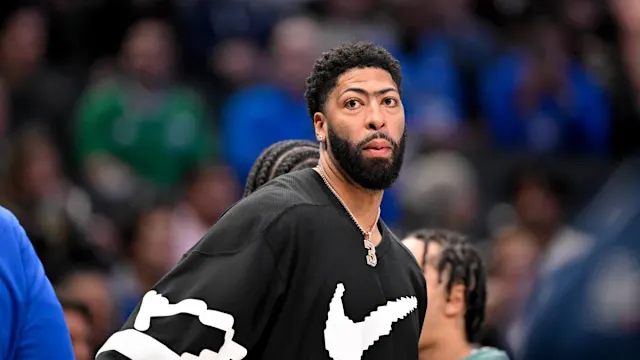
Here is the reality facing the Washington Wizards: giving Anthony Davis a four-year, $275 million max extension when he becomes eligible on August 6 would be an immense financial and strategic risk. While Davis remains a dominant two-way force when healthy, his history of availability issues and age make a full max extension the wrong move for a rebuilding franchise.
1. The Extension Dilemma & Injury Reality
Beginning August 6, Davis is eligible to sign a four-year extension worth up to $275 million. At 33 years old, Davis will almost certainly seek the maximum financial security available.
However, Washington’s hesitation is completely justified:
- The Availability Problem: Over the past five seasons, Davis has averaged under 50 games per year. After being traded to Washington, his season was once again cut short due to injury.
- The Aging Curve: Big men with extensive lower-body and joint injury histories rarely age gracefully into their mid-to-late 30s. Locking up $60M+ annually for a player in his age-34 to age-37 seasons could severely cripple Washington’s salary cap flexibility just as their young core enters their prime.
2. Does He Fit Washington’s Young Core?
In terms of basketball fit: Yes, a healthy Anthony Davis fits anywhere. His elite rim protection, rebounding, and interior scoring provide a safety net for young guards and wings learning to play NBA defense.
In terms of timeline fit: Absolutely not. Washington is in the middle of a foundational rebuild centered around young draft talent. Davis’s timeline is win-now. Having a high-usage, ultra-expensive veteran on a lottery-bound roster creates an awkward dynamic where the team is neither competing for championships nor fully committing to a youth movement.
3. Are Trade Rumors Brewing?
Yes. Surrounding front offices across the league—particularly win-now contenders looking for elite frontcourt defense—are keeping a close eye on the August 6 deadline.
If Washington signals that they will not offer the full four-year max, trade talks will accelerate. Teams like the Golden State Warriors and other fringe contenders seeking a final championship push have previously evaluated frontcourt upgrades, but any acquiring team faces the exact same conundrum: Are you willing to trade top assets for a player demanding a $275M extension despite durability concerns?
4. The Best Route for Washington: “Showcase and Sell”
Washington has three distinct options on the table, but one stands out as the smartest path forward:
- The Overpay (Bad Route): Give him the 4-year, $275M max. This caps Washington’s ceiling and risks immovable dead weight if injuries persist.
- The Compromise (Unlikely Route): Offer a 2-year extension with team options or heavy games-played incentives. While smart for Washington, Davis and his representation (Klutch Sports) have little reason to accept a discounted deal.
- The “Showcase and Sell” Strategy (Best Route): Decline the max extension on August 6 and keep him on his current contract. Allow Davis to start the 2026–27 season in Washington, put up elite numbers, and prove he is healthy. Once a desperate contender loses out on other targets or suffers an injury near the trade deadline, Washington can trade Davis for a haul of future draft picks and young prospects to accelerate their rebuild.
Holding off on an extension and shopping Davis to a desperate contender before the trade deadline gives Washington the cleanest exit strategy—allowing them to turn an aging superstar into the future assets their rebuild truly needs.


Author Profile

- CEO NGSC Sports
Latest entries
 AFCSeptember 21, 2026NFL Week 2 Drama: Saints Stun Ravens, Raiders Hit Unlikely 2-0, and Chiefs Outlast Colts in SNF Thriller
 WNBASeptember 21, 2026WNBA Recaps: Lynx Hold Top Spot, Wilson Makes History, and Mystics Stun Fever
 NCAAFSeptember 20, 2026Chambliss Delivers Heisman Moment as No. 8 Ole Miss Outlasts No. 7 LSU 32–24
 FCSSeptember 20, 2026FCS Scoreboard Week 3: Top Contenders Survive Scares, FBS Powers Prevail
About the Author