 0
0
 0
0
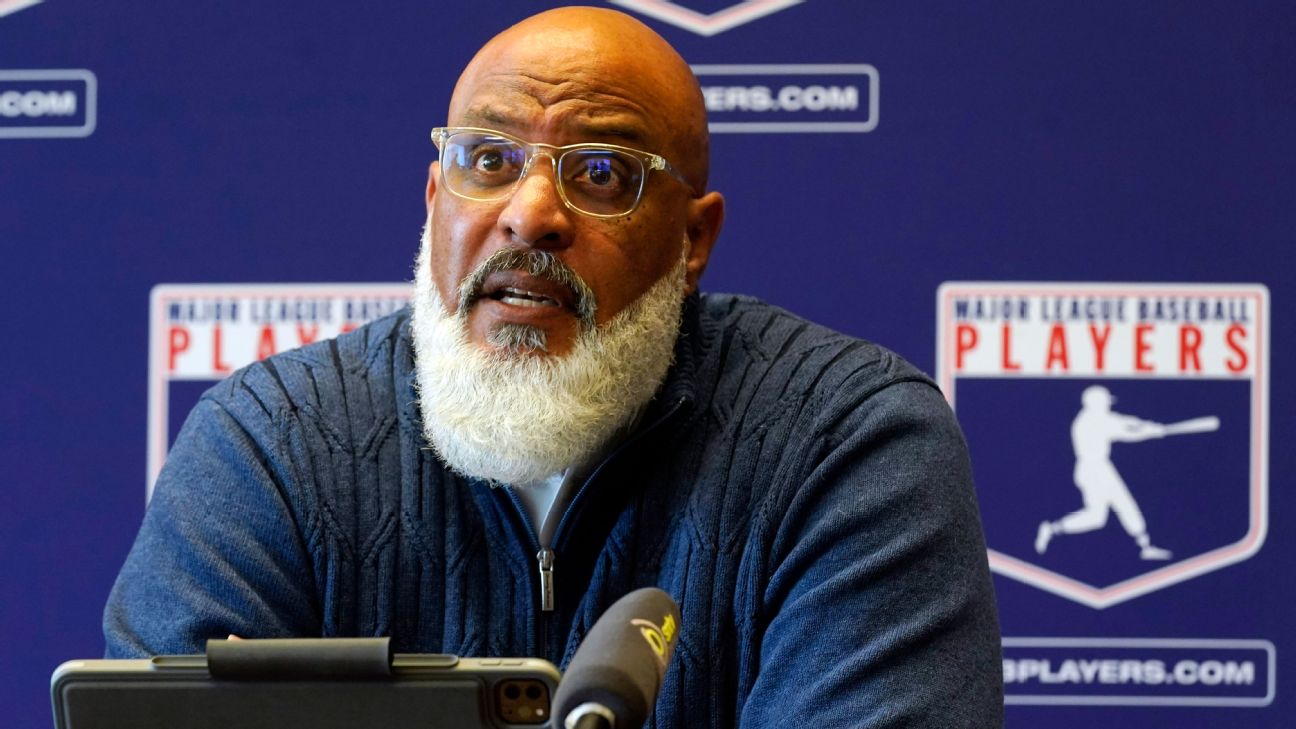
The Major League Baseball Players Association (MLBPA) was rocked on Tuesday by the abrupt resignation of Executive Director Tony Clark. The former All-Star, who has led the union since 2013, stepped down effective immediately as a federal investigation into the union’s financial practices intensifies.
The timing could not be more critical: Clark’s departure leaves the most powerful union in professional sports without a leader, less than ten months before the expiration of the current Collective Bargaining Agreement (CBA) on December 1.
The Investigation: Why Now?
Clark’s resignation is the direct result of an ongoing probe by the U.S. Attorney for the Eastern District of New York. Federal investigators have spent months digging into alleged “financial improprieties” involving union leadership and group-licensing funds.
- OneTeam Partners: Investigators are focused on the union’s dealings with this multibillion-dollar licensing arm, which the MLBPA co-founded with the NFLPA. Allegations suggest leaders may have used licensing equity to “improperly enrich themselves.”
- Players Way: A youth baseball initiative owned by the MLBPA is also under scrutiny for a lack of transparency regarding the resources dedicated to it.
- The “Abrupt” Exit: The news broke just as the union was set to begin its annual tour of spring training camps in Arizona. A scheduled meeting with the Cleveland Guardians was canceled without explanation on Tuesday morning as Clark’s resignation became public.
The Implications: A “CBA War” Looming
Clark’s exit has sent shockwaves through the sport, as he was expected to be the primary bulkhead against the owners’ most aggressive push in decades: a hard salary cap.
- Leadership Vacuum: Deputy Executive Director Bruce Meyer is the most likely candidate to take over as interim chief. However, Meyer was the target of an attempted ouster by some players in 2024, meaning the union must first heal internal divisions.
- The Salary Cap Fight: Commissioner Rob Manfred and MLB owners have signaled that a salary cap is their top priority for the next CBA. Clark was a fierce opponent of any cap mechanism; without his institutional knowledge and player-first credibility, the union may be more vulnerable in negotiations.
- Lockout Fuel: Industry insiders widely believe a lockout is inevitable on December 1, 2026. This sudden leadership change is being viewed by many as “lockout fuel,” potentially emboldening owners to push for even more radical economic changes while the players scramble to reorganize.
Tony Clark’s Legacy (2013–2026)
| Milestone | Impact |
| First Player-Director | Transitioned the union from lawyer-led (Fehr, Weiner) to player-led. |
| 2022 Lockout | Led players through a 99-day lockout that resulted in historic minimum salary increases and the draft lottery. |
| Minor League Unionization | Oversaw the historic 2022 move to bring Minor League players under the MLBPA umbrella. |
| 2026 Resignation | Leaves the union facing federal scrutiny and a leaderless path toward a potential 2027 work stoppage. |
What’s Next?
The MLBPA’s eight-player executive subcommittee, including Marcus Semien and Paul Skenes, is expected to meet tonight at 4:30 PM ET to discuss the appointment of an interim director.
“The timing being February is better than it happening in November,” noted Mets’ rep Marcus Semien. “But it still hurts. We need to move forward with leadership that cares about what players want.”


Author Profile

Latest entries
 The HubOctober 16, 2026Modern Workplace Skills: Essential Capabilities for Long-Term Career Success
 SportsOctober 15, 2026The Anatomy of a Point-Shaving Syndicate: NCAA Fixer Jalen Smith Sentenced to Six Years in Federal Prison
 WWEOctober 14, 2026The Ultimate Star-Maker: Why Money in the Bank Defines the Future of WWE
 SportsOctober 13, 2026How Canadian Sports Fans Follow the NFL, NBA, and MLB From North of the Border
About the Author