Photo Credit: CNN
 0
0
 0
0
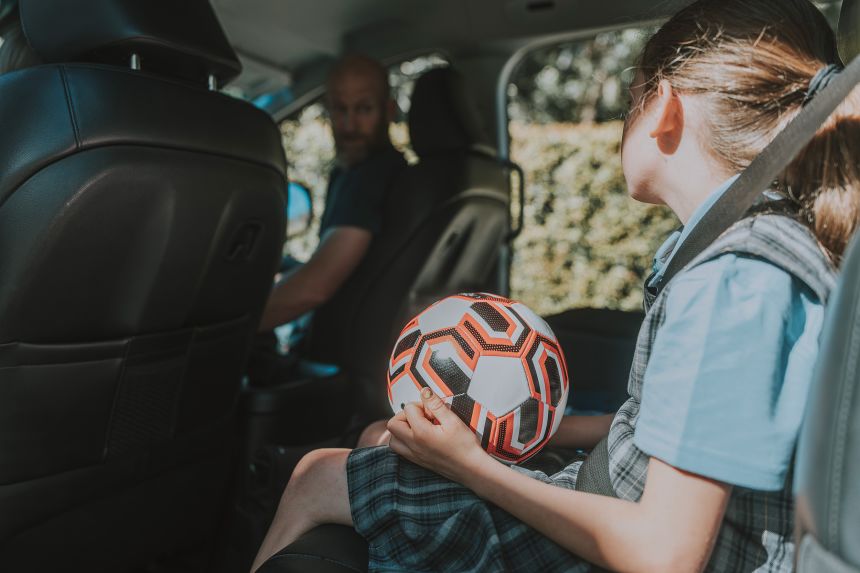
Youth sports have a problem, and sometimes the problem sits behind the steering wheel. Your child just finished playing a game. Maybe they struck out three times. Maybe they missed the winning free throw. Perhaps they dropped a touchdown pass or allowed the winning goal. Trust me, they already know. They do not need Mom or Dad spending the entire ride home reminding them. Yet some parents turn the family car into a postgame press conference. Why did you swing at that pitch? Why didn’t you pass the ball? What happened on that play? Why weren’t you trying harder? Enough. Your child needs a parent during that drive home, not another coach. Sports should challenge young athletes. However, sports should also remain fun.
Adults sometimes forget that simple fact. Your child already knows they made a mistake Athletes understand mistakes better than anyone watching from the stands. Nobody needs to tell a baseball player about three strikeouts. A basketball player remembers missing two free throws late. A quarterback remembers throwing an interception. Those mistakes hurt without parental criticism. Therefore, what does another 20-minute lecture accomplish? Usually, it creates more frustration. The American Academy of Pediatrics encourages parents to emphasize enjoyment, improvement and effort. It also recommends unconditional support regardless of athletic performance. That should become the foundation for every sports parent. Your child should never wonder whether you feel proud after a bad game. Leave the coaching to the coaches
This point should not create controversy. Parents should parent, and coaches should coach. Of course, some parents understand sports extremely well. Maybe you played college baseball. Perhaps you coached football for 20 years. That experience still does not make every car ride another film session. Your child’s coach can address missed assignments. The coach can correct technique. The coach can discuss positioning, effort and decision-making. Parents can provide something coaches cannot always provide. They can offer a safe place away from competition. Baseball Hall of Famer Cal Ripken Jr. has discouraged immediate postgame analysis during the ride home. Instead, Ripken recommends waiting until emotions settle before discussing teaching points. That advice makes perfect sense. Nothing good usually comes from emotional adults criticizing emotional children.
Stop trying to create professional athletes This might upset some parents. Your 10-year-old probably will not become a professional athlete. Neither will most 15-year-olds. That statement does not insult their talent. Professional sports simply represent an incredibly difficult destination. The NCAA estimates only small percentages of college athletes eventually reach major professional leagues. Therefore, parents should stop treating every youth tournament like professional scouting determines their child’s future. That mentality has helped turn youth sports into a pressure cooker. Travel teams now dominate many sports. Families spend thousands on equipment, hotels, tournaments and private instruction. Those expenses can create expectations. However, your child does not owe you athletic success because you paid tournament fees. Parents make those financial decisions.
Children should not carry that burden onto the field. Winning matters, but it cannot mean everything I love winning. Athletes should compete to win. Keeping score matters because learning how to win and lose teaches valuable lessons. However, winning cannot become everything. Youth sports should teach discipline, teamwork, responsibility and perseverance. They should also create friendships and memories. Most importantly, children should actually enjoy playing. The Aspen Institute’s Project Play has repeatedly studied why children participate in sports. Fun consistently matters. That should surprise nobody. Kids play because they enjoy competition and spending time with friends. Then adults arrive and sometimes make everything unnecessarily complicated. Suddenly, every tournament becomes crucial. Every mistake becomes unacceptable.
Every loss requires an investigation. At some point, the game stops feeling like a game. Parental pressure can push children away Parents sometimes believe constant criticism creates toughness. It can also create resentment. The American Academy of Pediatrics has warned about unrealistic expectations surrounding youth sports. Excessive pressure can reduce enjoyment and contribute to burnout. That matters. Project Play released national survey findings in 2026 involving nearly 4,000 young people. Former athletes reported more negative parental pressure than current athletes. They also reported more parental comparisons with other players. Meanwhile, current athletes reported stronger encouragement and unconditional parental pride. Parents should pay attention to that difference. Children remember much more than wins and losses. They remember the conversations afterward.

Children remember your facial expressions. They remember whether you complained about playing time. They remember hearing you criticize coaches. Most importantly, they remember whether playing sports made you proud of them. Do not attack coaches during the ride home This deserves its own conversation. Parents should stop trashing coaches in front of their children. You might disagree with playing time. You might hate the offensive system. Maybe you believe another player receives preferential treatment. Handle legitimate concerns appropriately. Do not spend the drive home telling your child that their coach knows nothing. That behavior puts young athletes in terrible situations. Now they must decide whether to trust their coach or their parent. Parents should teach children how to handle adversity. Sometimes, that means accepting decisions they dislike.
Not every disappointing decision requires confrontation. Ask one simple question Parents often wonder what they should say after games. Keep things simple. “Did you have fun?” That question tells you plenty. Another good option involves telling your child you enjoyed watching them play. Then stop talking. Let your child decide where the conversation goes. If they want to discuss the game, listen. If they ask for advice, provide some. However, do not immediately launch into criticism. Maybe they want to discuss dinner instead. Maybe they want music playing during the ride home. Perhaps they need silence. Give them that space. Bad games happen Every athlete has terrible performances. Professional athletes strike out four times. NFL quarterbacks throw multiple interceptions. NBA stars miss game-winning shots. PGA Tour players shoot terrible rounds.
Nobody plays perfectly. So why do some parents expect perfection from children? A bad game does not require punishment. It requires perspective. Maybe your child did not hustle. That deserves a conversation. Maybe they displayed poor sportsmanship. Parents should address that behavior. However, playing poorly does not represent a character flaw. Sometimes, athletes simply have bad days. The scoreboard eventually disappears One day, youth sports end. The uniforms disappear. The weekend tournaments stop. Those early Saturday drives become memories.
Your child might continue into high school. Maybe they reach college. A select few might even become professionals. However, every athletic career eventually ends. What remains afterward? Memories. Your child will remember teammates and coaches. They will remember championships and heartbreaking losses. They will also remember those drives home. Make those memories positive. Do not make your child dread getting into the car after playing poorly. Do not turn every game into a job evaluation.
Let coaches’ coach. The officials officiate. Let children compete. Most importantly, let sports remain sports. Parents should encourage effort, sportsmanship and improvement. They should celebrate victories without making winning everything. They should support children after losses without immediately analyzing every mistake. Your child does not need another coach sitting behind the steering wheel. They need Mom. They need Dad. Children need someone who still believes in them after their worst performance. Youth sports should teach children valuable life lessons. However, they should also produce laughter, friendships and unforgettable memories. Never let adult expectations steal that experience. Sports are supposed to be fun. Sometimes, parents need that reminder more than their children.
Growing up I was never pressured to practice, participate, or given criticism while playing youth sports.



Author Profile

-
Bradley Walker (VP) and Head of our Florida operations for NGSC Sports, bringing extensive experience across collegiate, professional, and amateur athletics. His coverage spans USF Athletics, including football, baseball, lacrosse, and softball, as well as University of Tampa baseball.
Bradley also provides coverage of minor league baseball with the Clearwater Threshers and Major League Baseball with the Tampa Bay Rays. On the national stage, he covers college football bowl games and conference championship matchups, along with premier golf events across the PGA Tour, LIV Golf, and LPGA Tour.
In addition to his reporting work, Bradley is the play-by-play announcer for Pinellas Park High School Patriots football, lending his voice and insight to Friday night lights.
He is also an active podcast host and contributor, serving as a host on The Walker Report, where he delivers in-depth sports analysis, interviews, and coverage across multiple levels of competition.
Latest entries
 SportsOctober 6, 2026Parents, Stop Coaching on the Ride Home
 HockeyOctober 5, 2026Lightning Look to Strike Again Against Flyers
 FootballOctober 5, 2026Patriots Stun Bills in 29-26 Thriller
 FootballOctober 5, 2026Bucs Fall Short Against Packers, 17-14
About the Author