
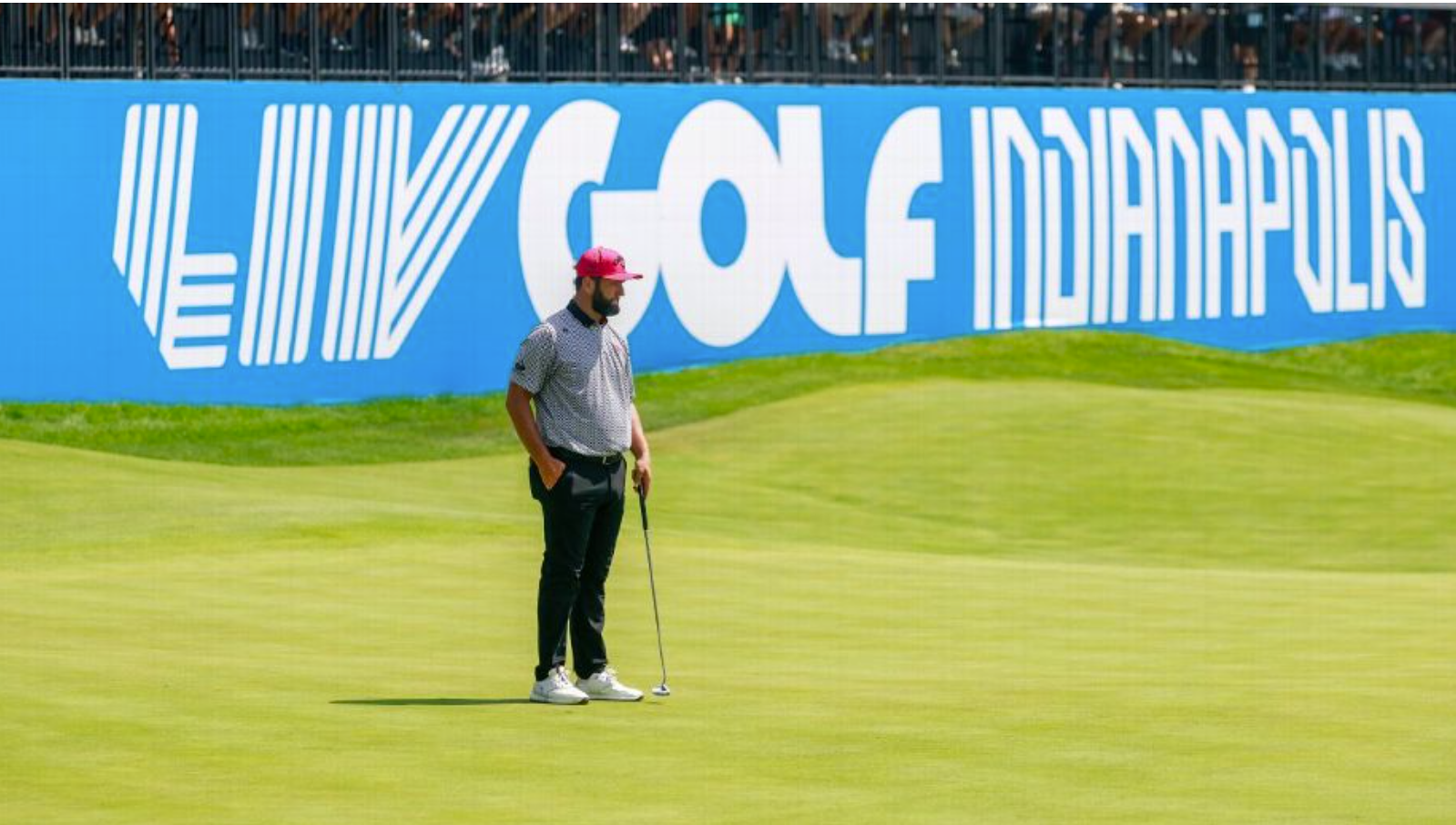
Photo Credit: ESPN
 0
0
 0
0
LIV Golf has reached another major crossroads. The controversial league now faces an uncertain future after three seasons of disruption. The Saudi-backed series changed professional golf when it launched in 2022. LIV attracted major stars with enormous contracts and guaranteed money. It also created a team format unlike traditional professional golf. However, the financial landscape has changed dramatically. The Public Investment Fund of Saudi Arabia no longer plans to bankroll LIV beyond 2026. That decision forced league officials to search for outside investment. Now, the biggest question involves what comes next. Has LIV Golf reached the end of its original era? Or can a smaller version survive without Saudi funding?
Saudi Money Changes the Equation
Money always represented a major part of LIV’s appeal. PIF provided the financial muscle behind the league’s aggressive expansion. That funding helped LIV sign players such as Jon Rahm, Bryson DeChambeau and Cameron Smith. The league also offered massive purses and lucrative player contracts. That model now faces a major reset. LIV completed its 2026 regular season with the Indianapolis event. The league also canceled its planned team championship in Michigan. The cancellation raised even more questions about its financial stability. LIV CEO Scott O’Neil has acknowledged the urgency. He said the league faced a compressed timeline for securing new investment. He also stressed the importance of player commitment. Those comments show just how important the next few months could become.
LIV Has Found a Potential Lifeline
Despite the uncertainty, LIV has not simply disappeared. The league recently announced an agreement with a new lead investor. LIV says the investor will help fund its next era starting in 2027. Reports identify BC Partners as the potential new financial backer. The proposed model would look very different from the original LIV structure. The reported plan would shrink the schedule to around 10 events. It would also reduce individual event purses compared with LIV’s original model. That change could actually help LIV become more sustainable. Instead of chasing expansion, LIV could focus on fewer premium events. The league could also emphasize international team competition. However, nothing guarantees that the new model will work.
The Stars Could Decide Everything
LIV’s biggest strength remains its collection of recognizable players. Jon Rahm won the 2026 individual championship. His continued presence would give the league credibility entering a new era. Bryson DeChambeau also remains one of LIV’s most recognizable stars. He has publicly supported the league’s continuation. Still, other players face difficult decisions. Ian Poulter recently admitted that his own LIV future remains uncertain. He said he hopes LIV continues, but he has not decided whether he will stay. Brooks Koepka has already returned to the PGA Tour. That move shows how quickly LIV’s player landscape can change. If more major names leave, LIV could lose much of its competitive appeal.
The PGA Tour Relationship Still Matters
LIV’s future also connects directly to professional golf’s larger battle. The PGA Tour and LIV spent years fighting for players, fans and influence. That rivalry fractured the sport and created significant tension. Yet, the sport now appears closer to cooperation. LIV officials have discussed allowing greater player participation across different tours. A future LIV model could potentially coexist more comfortably with the PGA Tour and DP World Tour. That would represent a major change from LIV’s early years. Instead of trying to replace traditional golf, LIV could become another part of the professional ecosystem. That approach might give the league a better chance to survive.
Can LIV Become Sustainable?
This remains the biggest question. LIV originally operated with enormous financial backing. The new version will need a different business model. Reports suggest LIV could introduce player ownership and team equity. The league could also eliminate the massive signing bonuses that helped attract stars. That strategy makes financial sense. However, it could also create problems. Players joined LIV partly because of extraordinary financial guarantees. Removing those incentives could make recruiting future stars much harder. Television audiences also remain an important issue. LIV created plenty of headlines, but attention does not automatically translate into sustainable revenue. The league must now prove that its product can attract viewers and sponsors. That challenge could ultimately determine its future.
The Music May Not Stop Yet
So, is the music about to end for LIV Golf? Not necessarily. The original version of LIV appears to be ending. Saudi-backed expansion no longer provides the same foundation. The league also faces questions about players, finances and its competitive position. However, LIV has a potential path forward. A smaller league could focus on major markets and stronger events. Player ownership could create additional incentives for long-term commitment. Cooperation with other tours could also reduce professional golf’s ongoing division.
Still, survival does not guarantee success. LIV must now prove that it can operate without unlimited financial support. That represents a completely different challenge from signing golf’s biggest stars. The next chapter could become LIV’s most important chapter yet. If the new investment structure succeeds, LIV could survive in a smaller form. If the stars leave and the business model fails, the music could finally stop. For now, the answer remains somewhere between those two possibilities.



Author Profile

-
Bradley Walker (VP) and Head of our Florida operations for NGSC Sports, bringing extensive experience across collegiate, professional, and amateur athletics. His coverage spans USF Athletics, including football, baseball, lacrosse, and softball, as well as University of Tampa baseball.
Bradley also provides coverage of minor league baseball with the Clearwater Threshers and Major League Baseball with the Tampa Bay Rays. On the national stage, he covers college football bowl games and conference championship matchups, along with premier golf events across the PGA Tour, LIV Golf, and LPGA Tour.
In addition to his reporting work, Bradley is the play-by-play announcer for Pinellas Park High School Patriots football, lending his voice and insight to Friday night lights.
He is also an active podcast host and contributor, serving as a host on The Walker Report, where he delivers in-depth sports analysis, interviews, and coverage across multiple levels of competition.
Latest entries
 HockeyOctober 6, 2026Ovechkin Announces Final NHL Season
 OlympicsOctober 6, 2026Brisbane 2032 Unveils a Cheeky New Olympic Look
 GolfOctober 6, 2026Tom Kim Wins Gold and Military Exemption
 SportsOctober 6, 2026Parents, Stop Coaching on the Ride Home
About the Author

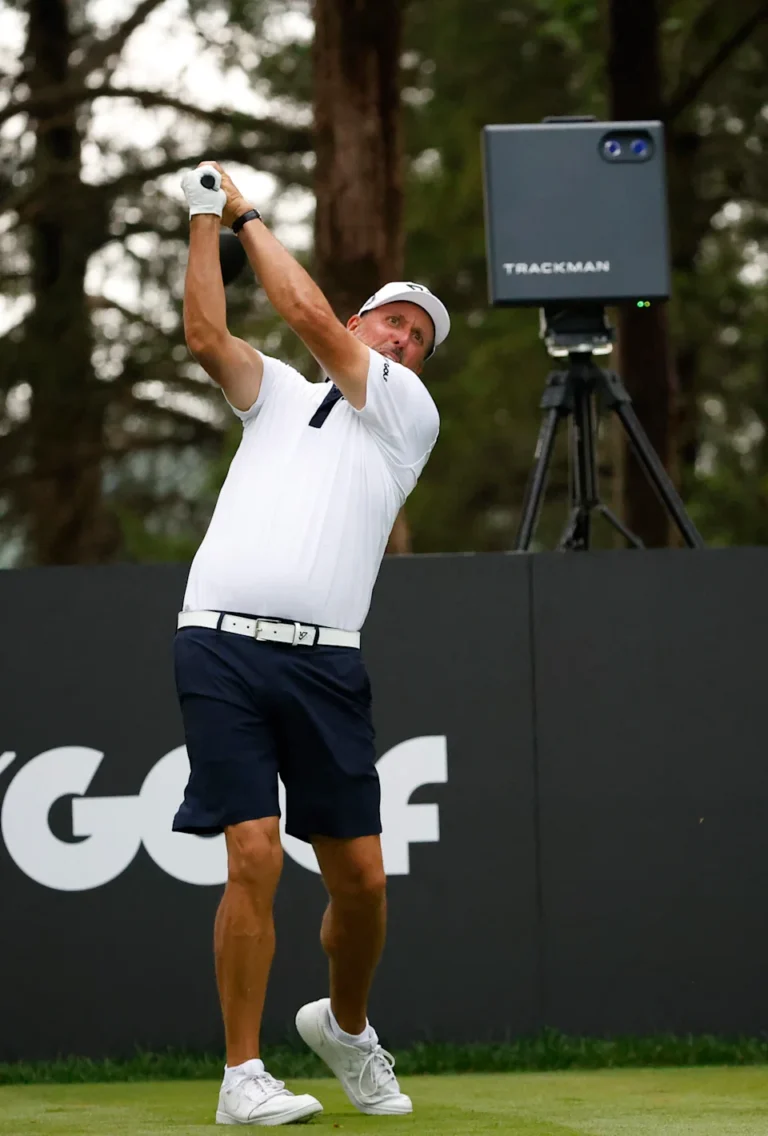

[…] biggest question involves LIV’s star players. Rahm joined LIV after leaving the PGA Tour in late 2023. He signed a massive long-term agreement with the league. […]