
 0
0
 0
0
Stains are an unavoidable part of everyday life. A dropped fork at dinner, spilled coffee before work, muddy shoes near a trouser hem, or cosmetics transferred onto a collar can leave an otherwise wearable garment looking neglected. The way a stain is handled during its earliest stages can influence how difficult it becomes to address later.
Quick action does not mean reaching immediately for the strongest cleaning product available. Fabrics, dyes, garment construction, and stain sources vary considerably, so a method that works well on one item could create problems on another. Careful handling begins with identifying what happened and checking how the garment is intended to be cleaned.
For families in Manor, developing a simple stain-response routine can prevent small accidents from turning into rushed laundry decisions. Ians Cleaners can assist when garments require professional care or when a stain involves fabric that should not be treated casually at home. Knowing what to do immediately, and what not to do, helps protect clothing while improving the chances of successful cleaning.
Start by Identifying What Caused the Stain
Knowing the source of a stain provides useful information about how it should be approached. Coffee, cooking oil, makeup, grass, mud, and food sauces do not all behave identically once they reach fabric.
Try to remember what caused the mark and approximately when the accident occurred. This information becomes particularly valuable if the garment later needs professional attention.
When the source is unknown, avoid making confident assumptions. Treating an unidentified mark aggressively may complicate the situation rather than improving it.
Check the Care Label Before Taking Action
The garment itself should influence the response as much as the stain. Care labels provide information about washing, drying, ironing, and other handling requirements established for that particular item.
A washable cotton shirt and a structured jacket should not automatically receive the same treatment because both have coffee on them. Construction, fabric blends, dyes, and decorative elements can affect appropriate care.
Taking a few seconds to read the label can prevent an impulsive decision. When instructions indicate specialized care, setting the garment aside may be wiser than experimenting with household products.
Blot Fresh Spills Instead of Rubbing Them
Rubbing is a natural reaction when something spills, but vigorous friction can spread residue across a larger area. It may also disturb the surface of certain fabrics.
Remove Excess Material Carefully
If something is sitting on the fabric surface, avoid pushing it deeper into the fibers. Handle the affected area gently while limiting unnecessary spreading.
Use a Blotting Motion
For appropriate fresh liquid spills, careful blotting can help manage excess moisture without aggressive scrubbing. Work patiently rather than trying to erase the entire mark immediately.
The objective of first aid is to stabilize the situation, not perform every stage of cleaning at once.
Avoid Applying Random Household Products
Internet tips and household remedies can make stain removal appear simpler than it is. Vinegar, detergents, soaps, powders, and other products may be recommended broadly without considering the specific garment involved.
Applying an unsuitable substance can affect color or texture, and mixing cleaning products can introduce additional risks. A valuable garment is a poor place to experiment with an unfamiliar method.
Ians Cleaners can provide professional garment care when the fabric, construction, or stain makes home treatment uncertain. Restraint can sometimes protect clothing better than repeatedly applying different products in hopes that one will work.
Treat Food Stains According to Their Characteristics
Food stains vary because meals contain different combinations of oils, proteins, sauces, coloring ingredients, and liquids. A light beverage spill is not necessarily comparable to a greasy dressing or rich sauce.
Avoid assuming that the visible color tells the complete story. A mark may contain an oily component that remains even after some surface discoloration appears to disappear.
Prompt attention is useful, but garment instructions should still guide the response. If the item requires specialized care, remember what was spilled and communicate that information when seeking professional cleaning.
Take Special Care With Oil and Grease Marks
Cooking oils, salad dressings, butter, and greasy foods can leave marks that are easy to underestimate. The initial stain may look small but remain noticeable after improper treatment.
Do not repeatedly wet, rub, or heat an oily mark without understanding the garment’s requirements. Attempts to force the stain out can spread it beyond its original boundary.
Set delicate or valuable clothing aside when the appropriate treatment is uncertain. Knowing that oil caused the stain provides useful information for determining the next step.
Respond Carefully to Coffee and Beverage Spills
Coffee, tea, juice, and other drinks commonly reach clothing during commuting, meals, and social activities. Acting calmly is more useful than aggressively rubbing the wet area.
Remove excess liquid where appropriate and check the care instructions before further treatment. Be particularly cautious when the beverage contains milk, cream, sugar, syrups, or other ingredients that make the stain more complex.
A mark that appears faint after drying should still be inspected before the garment is stored. Residue can sometimes become more noticeable later.
Handle Makeup Marks Without Spreading Them
Foundation, lipstick, mascara, and other cosmetics frequently transfer onto collars, necklines, sleeves, and formal garments. Because cosmetic formulas vary, one universal treatment is unlikely to suit every situation.
Rubbing can enlarge the affected area, especially when the product contains oils or strong pigments. Avoid transferring the cosmetic onto clean sections while handling the garment.
If the piece is delicate, structured, or intended for an important event, professional attention may be the more appropriate choice. Protecting the garment should take priority over achieving an immediate home result.
Let Mud Dry Before Making Hasty Decisions
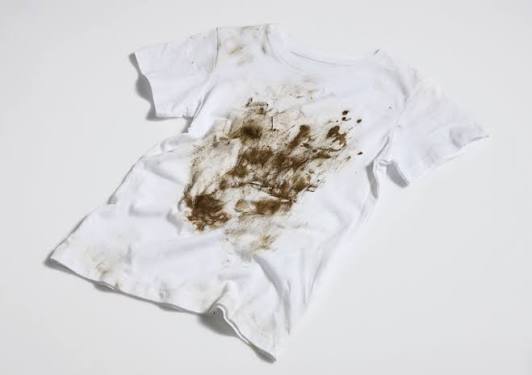
Mud differs from many liquid spills because immediate rubbing can push wet soil farther across the fabric. Depending on the garment, allowing surface mud to dry may make loose material easier to manage.
Once again, care instructions matter. Outdoor clothing designed for home washing may allow a different approach from tailored trousers or specialty fabrics.
Residents of Manor can reduce avoidable clothing damage by separating muddy garments from the rest of the laundry until they have been assessed. Tossing everything together immediately can transfer soil to other items and make sorting more difficult.
Be Cautious With Heat Around Remaining Stains
A garment may look ready for the dryer even when a stain has not been completely addressed. Heat can complicate certain residues and make later treatment more difficult.
Inspect the affected area before choosing a drying method. If the mark remains visible, review the care requirements and determine whether additional appropriate attention is needed first.
The same caution applies to ironing. Applying high heat directly over an unresolved mark is rarely a useful first response when the stain type and fabric reaction remain uncertain.
Separate Stained Clothing From Routine Laundry
Busy families often place every worn garment into the same hamper. That system is convenient until an item with a significant stain disappears beneath several days of ordinary clothing.
Create a small designated location for garments requiring review. This keeps unusual stains visible and reminds household members that those pieces should not automatically enter the next wash load.
The system can be simple enough for everyone to follow. A separate basket or clearly identified area may prevent many accidental washing and drying mistakes.
Explain the Stain When Seeking Professional Care
Professional garment care becomes more informed when the customer can describe what happened. The stain source, approximate age, and any home treatment already attempted are all useful details.
Do not assume a mark is self-explanatory simply because it is visible. Similar-looking stains can originate from very different substances.
Ian’s Cleaners can use the information provided alongside the garment’s characteristics when considering appropriate care. Honest details about previous treatment are particularly valuable because products already applied to the fabric may influence what happens next.
Inspect Clothing Before Putting It Away
Stains are easiest to forget when clothing moves directly from wear to storage. Formal garments, jackets, and occasionally worn pieces may remain untouched for weeks or months.
Examine collars, cuffs, fronts, sleeves, and hems under good lighting before returning these garments to the closet. Small food or cosmetic marks may be easier to notice during a deliberate inspection.
This habit is especially useful after parties, dinners, ceremonies, and family events. Addressing concerns before storage prevents an unpleasant discovery the next time the garment is needed.
Teach the Household a Simple Stain Routine
A good stain strategy should be easy enough for every family member to remember. Complicated instructions are less useful when someone is dealing with a spill during a busy morning.
The basic routine is straightforward: identify the spill, avoid aggressive rubbing, check the garment label, separate the item, and seek appropriate care when uncertain. Children and teenagers can learn to report stains instead of hiding affected clothing in a hamper.
Consistency matters more than having dozens of cleaning products available. A careful first response can prevent many avoidable mistakes.
Make Thoughtful Stain Care Part of Wardrobe Maintenance
Everyday stains do not have to become permanent wardrobe problems. The strongest approach begins with understanding the garment and stain before deciding what action is appropriate.
For Manor households, prompt identification, gentle handling, care-label awareness, cautious use of heat, and clear separation of stained items can make clothing maintenance more manageable. Knowing when to stop home treatment is equally valuable, particularly with delicate, structured, expensive, or unfamiliar fabrics.
Stain care is ultimately about protecting the garment rather than attacking the mark as aggressively as possible. A calm response preserves more options for proper cleaning and helps favorite clothing remain useful after the occasional spills and accidents that are part of everyday family life.



Author Profile

Latest entries
 EntertainmentSeptember 22, 2026How Much Does Buggy Rental Dubai Cost? Full Price Breakdown
 CasinoSeptember 21, 2026Real Money Blackjack in 2026: Games, Features and Formats
 GamingSeptember 21, 2026Return to Player (RTP) Explained: How Theoretical Payouts and Game Weighting Work
 FashionSeptember 19, 2026Will the 2026 Rugby Kit Launches Prioritise Durability Over “Lightweight” Performance?
About the Author